
2024 Tata Intercity EV 2.0 Review | Best Commercial Vehicle in India

2024 Tata Intercity EV 2.0 Review | Best Commercial Vehicle in India
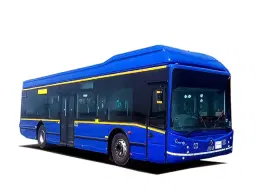
The Tata Intercity EV 2.0 isn't just a vehicle; it's the backbone of India's rapidly evolving logistics and passenger transport landscape. Designed to conquer demanding routes and optimize operational costs, this electric marvel is revolutionizing how businesses move goods and people. Built for intercity routes, the Tata Intercity EV 2.0 focuses on passenger comfort and cost-effective operations, making it an ideal choice for fleet operators and transport businesses. Different variants cater to varying passenger capacities and range requirements.
Variant Overview
The Tata Intercity EV 2.0 offers multiple variants to suit diverse operational needs. These variants primarily differ in battery capacity, passenger seating capacity, and range, allowing businesses to select the model that best aligns with their specific route requirements and budgetary constraints. A longer wheelbase version is rumored to be in development, further enhancing its appeal for long-haul applications. "Tata Motors is committed to providing sustainable and efficient transport solutions for India's future," states a company spokesperson.
Variant Comparison
| Variant | Price (Ex-Showroom) | Battery Capacity (kWh) | Passenger Capacity | Range (km) | Max Torque (Nm) |
|---|---|---|---|---|---|
| Standard | ₹ 25 Lakh | 120 | 30 + Driver | 200 | 220 |
| Long Range | ₹ 28 Lakh | 180 | 30 + Driver | 300 | 220 |
| Premium (A/C) | ₹ 30 Lakh | 180 | 30 + Driver | 280 | 220 |
Key Features
The Tata Intercity EV 2.0 boasts impressive engine performance driven by its advanced electric powertrain. The vehicle's load/passenger capacity is optimized for intercity routes, ensuring maximum efficiency and profitability. The fuel efficiency, or rather, energy efficiency, is a game-changer, significantly reducing operational costs compared to traditional diesel buses. The GVW (Gross Vehicle Weight) is carefully calibrated to maximize payload while adhering to safety standards. It delivers consistent performance, even with a full passenger load.
Engine Specs and Performance
| Feature | Specification | Benefit |
|---|---|---|
| Motor Type | Permanent Magnet Synchronous Motor | High efficiency and reliability |
| Max Power | 200 kW (268 hp) | Strong acceleration and cruising speed |
| Peak Torque | 220 Nm | Ample power for inclines and heavy loads |
| Battery Pack | Lithium-ion | Long lifespan and high energy density |
| Battery Cooling System | Liquid-cooled | Maintains optimal battery temperature for performance |
Advanced Features
The Tata Intercity EV 2.0 prioritizes safety and comfort. Advanced safety systems, including ABS (Anti-lock Braking System) and EBS (Electronic Brakeforce Distribution), are standard. The spacious cargo space accommodates luggage for intercity travel, and comfort features like adjustable seats and climate control ensure a pleasant journey for passengers. Telematics systems provide real-time vehicle tracking and performance data, enabling efficient fleet management. The air suspension ensures a smooth ride, even on rough roads.
Safety and Comfort Features
| Feature | Details | Benefit |
|---|---|---|
| Braking System | ABS with EBS | Enhanced safety during emergency braking |
| Suspension | Air Suspension | Improved ride comfort and stability |
| Technology | Telematics, Vehicle Tracking | Real-time vehicle monitoring and fleet management |
| Passenger Comfort | Reclining Seats, Climate Control | Comfortable travel experience for passengers |
| Safety Compliance | AIS 052 and AIS 153 Certified | Adherence to stringent safety standards |
Competitive Analysis
The Tata Intercity EV 2.0 competes in the rapidly growing electric bus segment in India. Key rivals include Ashok Leyland and Eicher Motors. While competitors offer compelling options, the Tata Intercity EV 2.0 stands out with its blend of advanced technology, competitive pricing, and robust build quality. Its optimized GVW (Gross Vehicle Weight) allows for higher passenger capacity while maintaining safety standards.
Competitor Comparison
| Model | Price (Ex-Showroom) | Passenger Capacity | Range (km) | Key Features |
|---|---|---|---|---|
| Tata Intercity EV 2.0 | ₹ 25 Lakh | 30 + Driver | 200 | Telematics, Air Suspension, ABS |
| Ashok Leyland Circuit | ₹ 27 Lakh | 32 + Driver | 180 | Regenerative Braking, Driver Information System |
| Eicher Skyline Hybrid | ₹ 26 Lakh | 31 + Driver | 190 | GPS Tracking, Comfortable Seating |
| Olectra eBuzz K9 | ₹ 29 Lakh | 35 + Driver | 220 | Stainless Steel Body, Disc Brakes |
Conclusion
The Tata Intercity EV 2.0 is a compelling choice for businesses seeking a sustainable and cost-effective passenger transport solution. Its strengths lie in its advanced technology, comfortable interiors, and competitive pricing. While range anxiety remains a concern for electric vehicles, the Intercity EV 2.0's range is sufficient for many intercity routes. Overall, the Tata Intercity EV 2.0 is an excellent investment for logistics companies, transport operators, and businesses looking to reduce their carbon footprint.
Pro Tips for Buyers:
- Consider the specific range requirements of your routes when selecting a variant.
- Explore government subsidies and incentives for electric vehicles to reduce upfront costs.
- Invest in charging infrastructure to ensure seamless operations.
- Regular maintenance and driver training are crucial for optimal performance and safety.

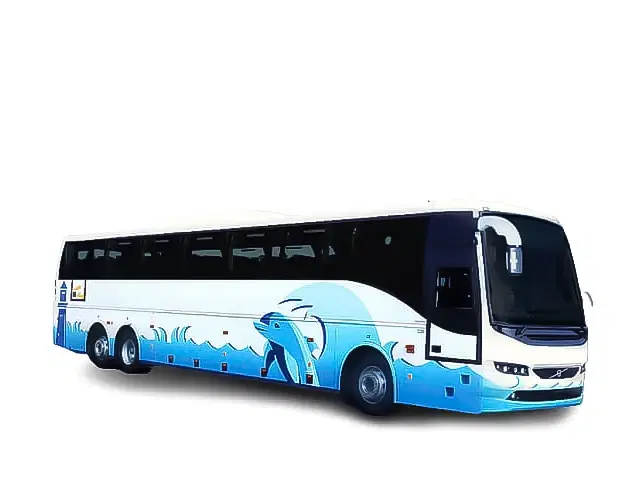
Popular Buses
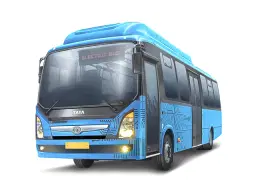
Tata Starbus Ultra City Electric
₹1.60 Crore Onwards

Ashok Leyland Garud 15M
Price to be announced
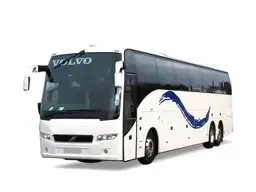
Volvo B7r
₹1.00 Crore Onwards
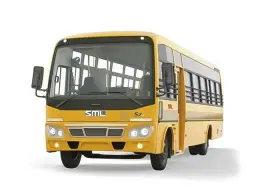
Swaraj Mazda S7 school bus
₹20.93 Lakh Onwards
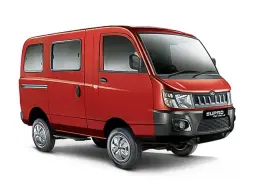
Mahindra Supro minivan vx
₹7.55 Lakh Onwards
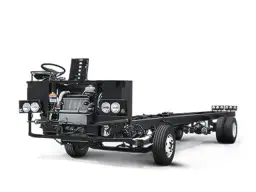
Eicher Pro 3009 h chassis
₹18.00 Lakh Onwards

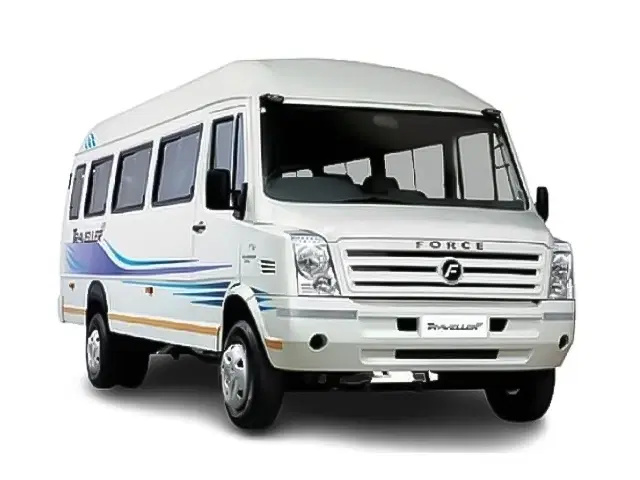
Force Traveller Super
Price to be announced
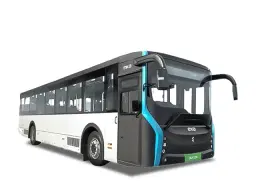
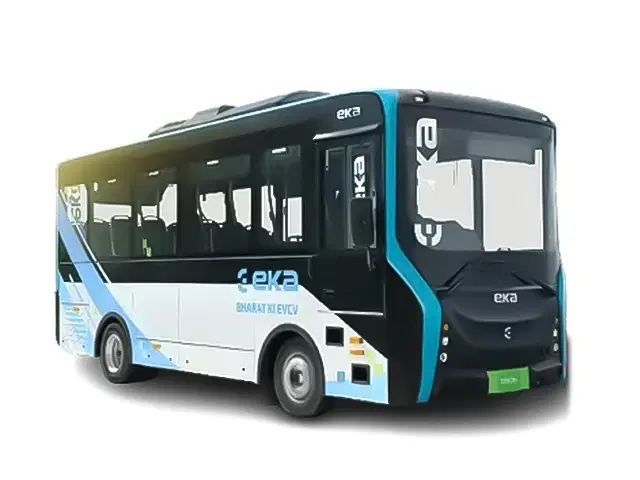
EKA 7M
Price to be announced
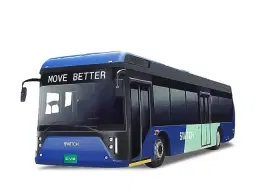
Switch Eiv 12
₹1.00 Crore Onwards
JBM E-skylife
₹1.65 Crore Onwards