
2024 Tata Starbus EV 4/12 Low Entry Electric Bus Review | Best Commercial Vehicle in India?

2024 Tata Starbus EV 4/12 Low Entry Electric Bus: Revolutionizing Urban Transport in India
The Tata Starbus EV 4/12 Low Entry Electric Bus isn't just another vehicle; it's a pivotal player in redefining urban passenger transportation in India. Designed for intra-city routes, it offers a sustainable and comfortable solution for both passengers and operators. With its electric powertrain, it significantly reduces emissions, contributing to cleaner and greener cities. The bus primarily caters to public transport undertakings (STUs) and private fleet operators focused on sustainable mobility solutions.
Variant Overview
The Tata Starbus EV 4/12 is offered primarily in configurations based on battery capacity and passenger capacity. There might be slight variations available depending on the specific STU requirements, with options for different seating layouts and accessibility features. The primary focus remains on providing a reliable and efficient electric bus for urban environments.
| Variant | Price (Estimated) | Battery Capacity | Passenger Capacity | Range (Estimated) |
|---|---|---|---|---|
| Standard | ₹2.5 - ₹3 Crore | 250 kWh | 35-40 (Seated) | 200-250 km |
| Extended Range | ₹3 - ₹3.5 Crore | 300 kWh | 35-40 (Seated) | 250-300 km |
Key Features
This electric bus is engineered for optimal performance within city limits. Its electric motor delivers instant torque, ensuring smooth acceleration and efficient operation in stop-and-go traffic. The low-floor design facilitates easy boarding and alighting, crucial for urban routes. Payload capacity is designed to comfortably accommodate a full load of passengers while maintaining vehicle stability and range. The operational efficiency stems from the electric powertrain, leading to drastically reduced fuel/energy costs as well as minimized service down-time.
| Feature | Specification | Benefit |
|---|---|---|
| Motor Power | 245 kW (Peak) | Powerful acceleration, efficient operation |
| Battery Type | Lithium-ion Phosphate | Long life, high energy density |
| Torque | 2200 Nm | Superior pulling power, smooth ride |
| Passenger Capacity | 35-40 (Seated) | Optimized for urban routes |
Advanced Features
The Starbus EV 4/12 boasts a suite of advanced features designed to enhance safety, comfort, and operational efficiency. These include advanced braking systems, comfortable seating with optimized legroom, and information display systems for passenger convenience. The vehicle monitoring system allows fleet operators to track performance parameters in real-time. "Safety is paramount in our design. The Starbus EV's braking and stability systems are best-in-class, ensuring a safe and comfortable ride for all passengers," states a Tata Motors engineer during an interview.
| Feature | Specification | Benefit |
|---|---|---|
| Braking System | Regenerative Braking + ABS | Energy recovery, enhanced safety |
| Suspension | Air Suspension | Comfortable ride even on uneven roads |
| Passenger Information | LED Display | Real-time route and destination information |
| Safety | CCTV, Fire Detection & Suppression | Enhanced passenger safety and security |
Competitive Analysis
The electric bus market in India is gaining momentum, with several manufacturers vying for market share. Key competitors include Ashok Leyland, JBM Auto, and Olectra Greentech. The Tata Starbus EV 4/12 competes directly with these players, primarily focusing on its reliable performance, extensive service network, and competitive pricing.
| Model | Price (Estimated) | Passenger Capacity | Key Features |
|---|---|---|---|
| Tata Starbus EV 4/12 Low Entry Electric Bus | ₹2.5 - ₹3.5 Crore | 35-40 (Seated) | Low-floor design, advanced safety features |
| Ashok Leyland Circuit | ₹2.7 - ₹3.3 Crore | 30-35 (Seated) | Indigenous technology, reliable performance |
| JBM Ecolife | ₹2.8 - ₹3.6 Crore | 33-38 (Seated) | High degree of localization, comfortable interiors |
Conclusion
The Tata Starbus EV 4/12 Low Entry Electric Bus presents a compelling proposition for STUs and private fleet operators looking to transition to electric mobility. Its strengths lie in its reliable performance, comprehensive features, and the backing of Tata Motors' extensive service network. While the initial investment is higher than traditional diesel buses, the lower operating costs and environmental benefits make it a sound long-term investment. Potential weaknesses could include limited charging infrastructure in certain regions. I recommend that transport operators and logistics companies should carefully consider this bus for urban routes looking for cost savings in the long term. Upcoming Updates: Tata Motors is expected to introduce higher battery capacity options and enhanced connectivity features in the near future.
Pro Tips for Buyers:
- Carefully evaluate your route requirements to choose the appropriate battery capacity.
- Negotiate comprehensive maintenance packages with Tata Motors.
- Explore government subsidies and incentives for electric bus adoption.
- Consider charging infrastructure requirements and plan accordingly.

Popular Buses
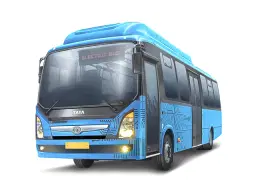
Tata Starbus Ultra City Electric
₹1.60 Crore Onwards
Ashok Leyland Garud 15M
Price to be announced
Volvo B7r
₹1.00 Crore Onwards
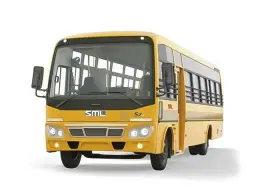
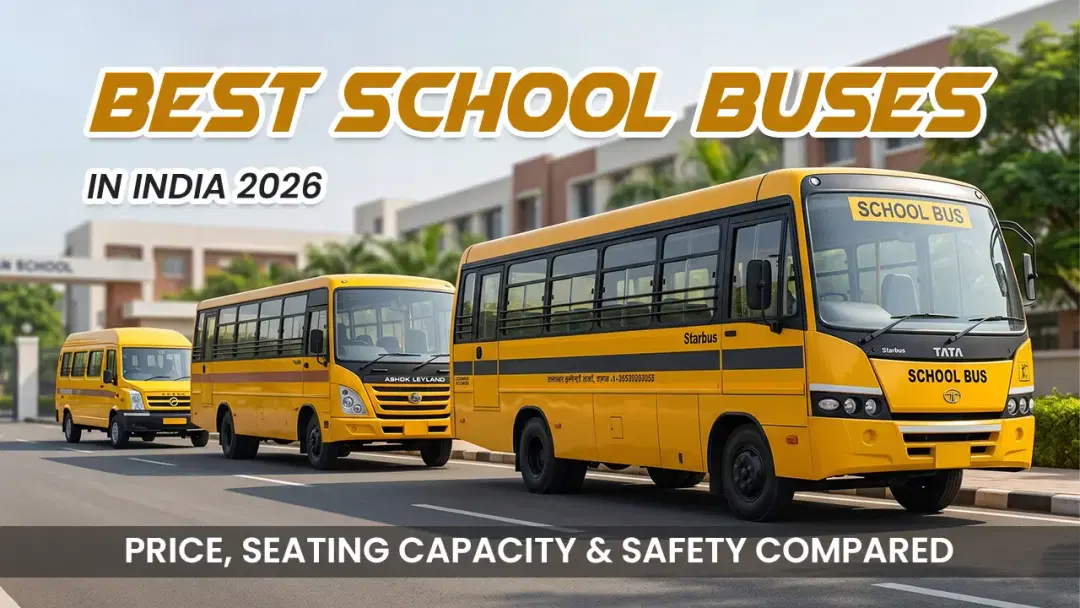
Swaraj Mazda S7 school bus
₹20.93 Lakh Onwards
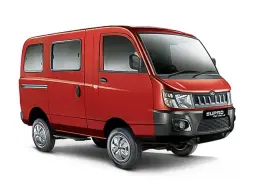
Mahindra Supro minivan vx
₹7.55 Lakh Onwards
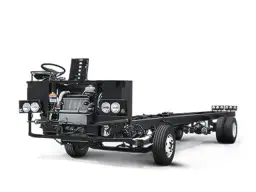
Eicher Pro 3009 h chassis
₹18.00 Lakh Onwards
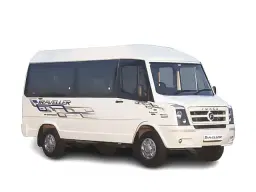
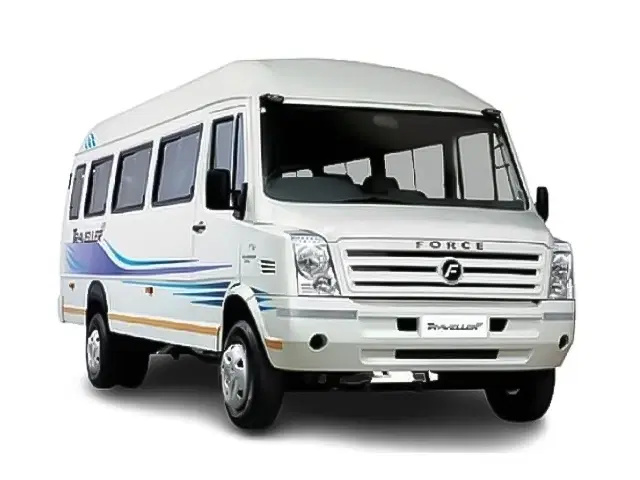
Force Traveller Super
Price to be announced
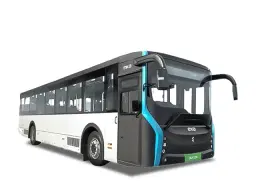
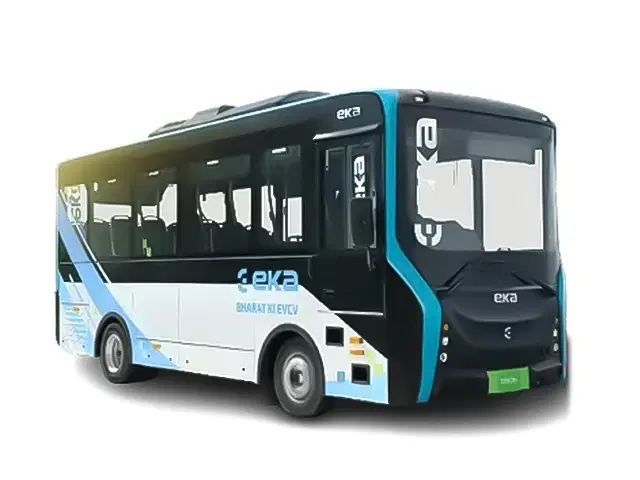
EKA 7M
Price to be announced
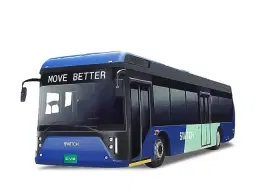
Switch Eiv 12
₹1.00 Crore Onwards
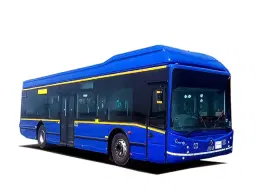
JBM E-skylife
₹1.65 Crore Onwards