
2024 Tata Starbus Urban City Electric Review | Best Commercial Vehicle in India

2024 Tata Starbus Urban City Electric: Shaping India's Urban Commute
The Tata Starbus Urban City Electric is revolutionizing urban transportation in India, offering a sustainable and efficient solution for passenger transit. Designed for intra-city routes, this electric bus promises to reduce emissions and operational costs, making it a game-changer for transport operators. The Starbus Electric isn't just a vehicle; it's a commitment to a greener future.
This electric bus is specifically targeted toward urban transport corporations and private bus operators seeking eco-friendly and cost-effective solutions. The model caters directly to the need for dependable city transit while lowering the overall carbon footprint.
Variant Overview
The Tata Starbus Urban City Electric is available in several configurations, differing primarily in seating capacity and battery range. The base model offers a standard range, while the premium variant boasts an extended range and enhanced comfort features.
| Variant | Price (Approx.) | Battery Capacity | Seating Capacity | Range (Approx.) |
|---|---|---|---|---|
| Standard Range | ₹2.2 Crore | 250 kWh | 35 + Driver | 200 km |
| Extended Range | ₹2.5 Crore | 350 kWh | 35 + Driver | 300 km |
Key Features
At the heart of the Tata Starbus Urban City Electric lies its powerful electric motor and high-capacity battery pack. This combination delivers ample torque for navigating city traffic and gradients, while maximizing energy efficiency for extended operational range. The optimized drivetrain ensures a smooth and silent ride, enhancing passenger comfort and minimizing noise pollution. High torque is available at lower RPMs for increased fuel effiency.
| Feature | Specification | Benefit |
|---|---|---|
| Motor Power | 245 kW (330 hp) | Powerful acceleration and hill climbing |
| Battery Capacity | 250 kWh / 350 kWh | Extended range for city operations |
| Torque | 2200 Nm | Excellent pulling power at low speeds |
| Seating Capacity | 35 + Driver | Optimal passenger capacity for urban routes |
| GVW | 16,200 kg | Gross Vehicle Weight capacity |
Advanced Features
The Tata Starbus Urban City Electric comes packed with advanced features designed to enhance safety, comfort, and convenience. From advanced braking systems to passenger information displays, every detail has been carefully considered to meet the demands of modern urban transportation. "Tata Motors is committed to providing safe, comfortable, and sustainable mobility solutions for India," says Girish Wagh, Executive Director, Tata Motors.
| Feature | Specification | Benefit |
|---|---|---|
| Braking System | Regenerative Braking with ABS | Improved braking performance and energy recovery |
| Suspension | Air Suspension | Enhanced ride comfort for passengers |
| Passenger Info System | LED Destination Boards and PA System | Clear and informative communication for passengers |
| Safety Features | CCTV Surveillance, Emergency Exit Windows | Enhanced passenger safety and security |
| Telematics | Cloud-based Fleet Management System | Real-time vehicle tracking, performance monitoring, and route optimization |
Competitive Analysis
The electric bus market in India is rapidly evolving, with several players vying for market share. Key competitors to the Tata Starbus Urban City Electric include Ashok Leyland's electric bus offerings and models from JBM Auto. Each vehicle has its strengths, but the Tata Starbus Urban City Electric stands out for its blend of performance, features, and value.
| Model | Price (Approx.) | Seating Capacity | Key Features |
|---|---|---|---|
| Tata Starbus Urban City Electric | ₹2.2 Crore | 35 + Driver | Regenerative braking, air suspension |
| Ashok Leyland Circuit | ₹2.3 Crore | 32 + Driver | Similar range, slightly lower passenger count |
| JBM Ecolife | ₹2.4 Crore | 33 + Driver | Aggressive exterior design |
Conclusion
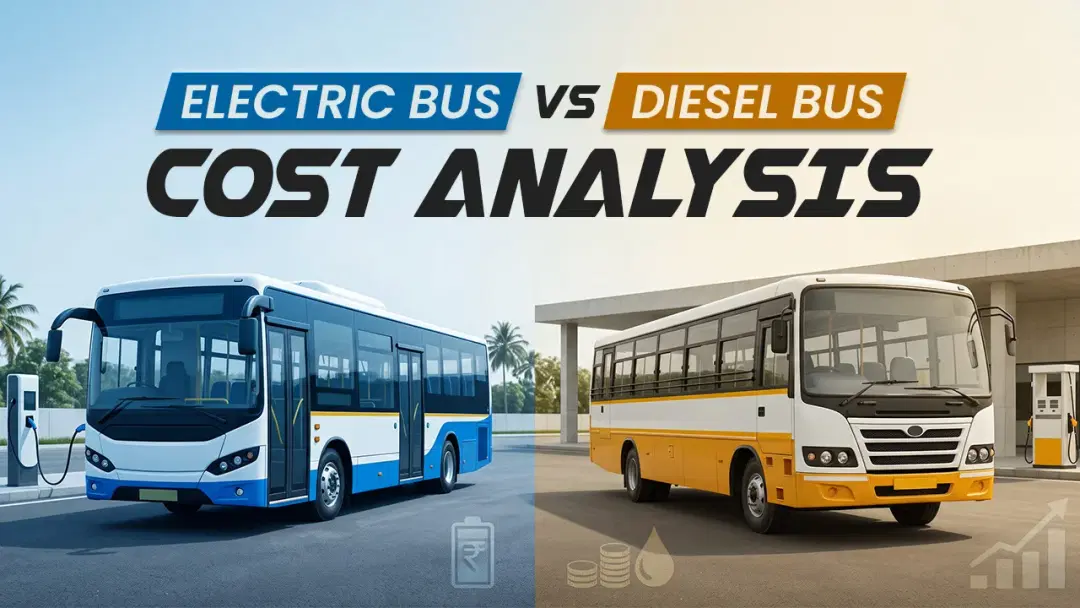
The Tata Starbus Urban City Electric represents a significant step forward in India's journey towards sustainable urban transportation. Its powerful electric drivetrain, advanced features, and competitive pricing make it an attractive option for transport operators looking to reduce emissions and operational costs. While the initial investment may be higher than conventional diesel buses, the long-term savings on fuel and maintenance are substantial. A slight disadvantage could be the charging infrastructure requirements, that needs to be taken into account.
Recommendation: Ideal for urban transport corporations, private bus operators, and municipalities looking to modernize their fleets and reduce their environmental impact. Consider the extended range variant for routes with longer distances or limited charging opportunities.
Pro Tips for Buyers:
- Carefully assess your route requirements and passenger volume to choose the right variant.
- Invest in robust charging infrastructure to ensure smooth operations.
- Explore government incentives and subsidies for electric vehicles to reduce the initial investment. Also consider Total Cost of Ownership (TCO) for a complete financial analysis.
- Consider the resale value of the vehicle before making the final investment.
- Enquire with Tata Motors for upcoming updates or variants, such as different battery chemistries or seating configurations.

Popular Buses
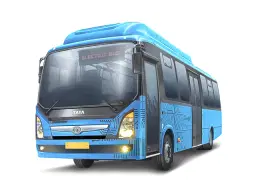
Tata Starbus Ultra City Electric
₹1.60 Crore Onwards
Ashok Leyland Garud 15M
Price to be announced
Volvo B7r
₹1.00 Crore Onwards
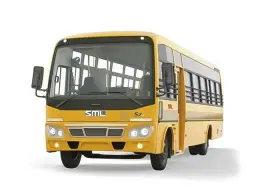
Swaraj Mazda S7 school bus
₹20.93 Lakh Onwards
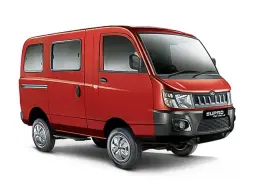
Mahindra Supro minivan vx
₹7.55 Lakh Onwards
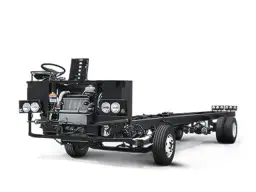
Eicher Pro 3009 h chassis
₹18.00 Lakh Onwards
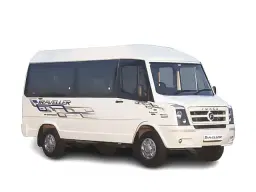
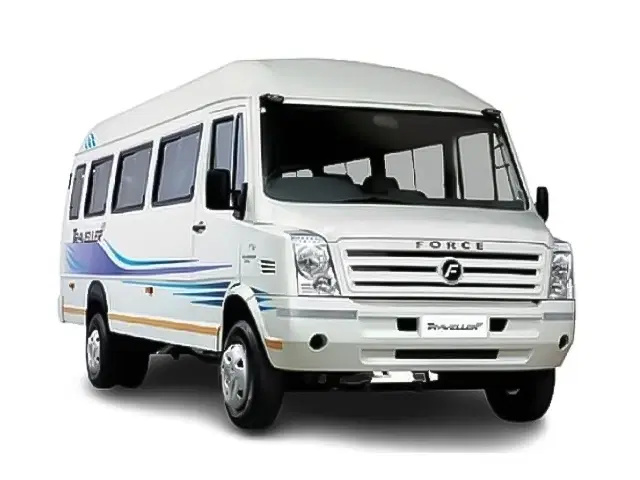
Force Traveller Super
Price to be announced
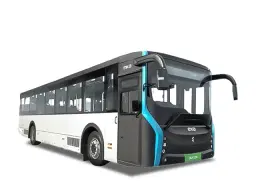
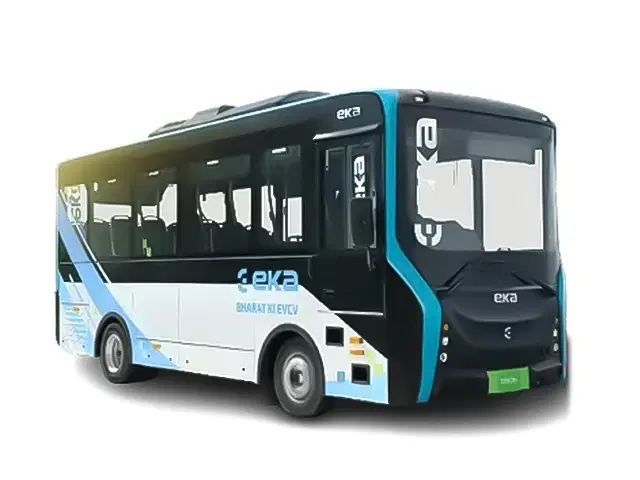
EKA 7M
Price to be announced
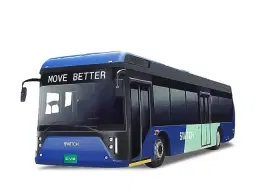
Switch Eiv 12
₹1.00 Crore Onwards
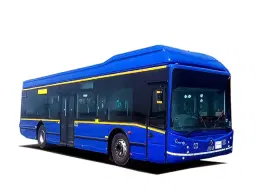
JBM E-skylife
₹1.65 Crore Onwards