
Best Commercial Vehicles Under ₹15 Lakh: 5 Picks for India

The best commercial vehicles under ₹15 lakh in India start at about ₹4.94 lakh ex-showroom for the Tata Ace Gold petrol and stretch to roughly ₹11.3 lakh for the electric Ace EV 1000, which gives small fleet owners real choice in October 2026. Last year’s GST cut trimmed sticker prices across the small commercial vehicle segment, so a ₹15 lakh budget can now fund two vehicles instead of one. The real question is which payload, engine and running cost will earn the most each month.
Which Commercial Vehicles Under ₹15 Lakh Make Sense in 2026?
We shortlisted five of the most practical commercial vehicles under ₹15 lakh in the Indian small-fleet market: the Maruti Super Carry, Tata Ace Gold, Ashok Leyland Dost+, Mahindra Bolero Pik-Up 1.3T and Tata Ace EV 1000. All four combustion models meet BS6 Phase 2 norms. The prices below are approximate ex-showroom figures and vary by city and variant. On-road price in Delhi or Mumbai will be approximately 8–10% higher once insurance and registration are added.
Maruti Super Carry and Tata Ace Gold: City Haulers Under ₹7 Lakh
The Super Carry’s updated 1.2-litre petrol makes 80.7 PS and 104.4 Nm, and it is sold in petrol and CNG with ex-showroom prices from about ₹5.15 lakh to ₹6.30 lakh. Payload is modest at 740 kg for petrol and 625 kg for CNG. That suits parcel runs, kirana supply and light FMCG loads rather than heavy construction material. Its 2,110 mm wheelbase makes it easy to turn in narrow lanes, though it can feel stiff when empty.
The Tata Ace Gold remains the default for first-time buyers, largely because the Ace service network is among the widest in the segment. The petrol version’s 694 cc engine makes about 24 hp, and the CNG variants cost roughly ₹6.2–6.6 lakh. If you are weighing electric against diesel in this class, our Tata Ace EV vs Ace Gold Diesel comparison breaks down the cost over five years. Against the Super Carry, the Ace Gold gives up some power but typically holds resale value better.
Ashok Leyland Dost+: Payload Is the Argument
The Dost+ is the vehicle on this list that makes the most arithmetic sense. Its 1,478 cc turbo-diesel produces 80 PS and 190 Nm between 1,600 and 2,400 rpm, a torque band that should help a loaded truck hold higher gears on flyover gradients. Payload is 1,500 kg on a 2,805 kg GVW, roughly double what the petrol Super Carry carries. The ex-showroom price of about ₹7.1–7.3 lakh is only around ₹2 lakh higher, and the on-road price in Delhi or Mumbai will be approximately ₹7.8–8 lakh.
The trade-off is driver comfort. Power steering is not part of the listed spec, and the 40-litre tank gives a realistic loaded range of about 550–600 km.
Mahindra Bolero Pik-Up: Built for Roads That Are Not Roads
The Bolero Pik-Up 1.3T is the heavyweight in raw engineering. Its 2,523 cc turbo-diesel makes 75 bhp and 200 Nm, payload is 1,300 kg on a 2,995 kg GVW, and it costs around ₹9.5 lakh ex-showroom in New Delhi. The payoff is durability on broken rural roads, mandi approaches and unpaved construction access, where its rugged suspension and 7.00 R15 tyres matter more than fuel economy.
Certified mileage is 14.3 kmpl, and expect roughly 11–13 kmpl with a full load. Compared with the Dost+, it carries 200 kg less, costs about ₹2.3 lakh more and burns more diesel. It only wins if your route punishes lighter vehicles.
Tata Ace EV 1000: When the Route Is Fixed
At about ₹11.3 lakh ex-showroom, the Ace EV 1000 is the only electric option here, and it sits comfortably inside the ₹15 lakh ceiling with room left for a charger. Tata claims a range of about 160 km with a 1,000 kg payload, which suits e-commerce hubs, dairy rounds and distribution routes with predictable daily distances. The numbers work when the vehicle runs 100 km or more every day, because electricity costs a fraction of diesel per kilometre.
For occasional or long-haul work, the premium of roughly ₹4 lakh over the Dost+ will take years to recover. Our commercial vehicle earning potential guide walks through the break-even for your own route.
Real-World Running Cost and EMI
Take a typical 2,500 km month with diesel at about ₹95 per litre. The Dost+ should return roughly 15 kmpl loaded against its listed 19.6 kmpl, which works out to around ₹15,800 in fuel. The Bolero Pik-Up at 12 kmpl costs about ₹19,800.
On a standard structure of 20% down, 60 months and 11% interest, the EMI comes to roughly ₹12,500 for the Dost+, ₹16,500 for the Bolero, ₹9,000 for a petrol Super Carry and about ₹19,650 for the Ace EV 1000. That puts the Dost+ at about ₹28,300 a month in EMI plus fuel, against ₹36,300 for the Bolero. Your actual rate will depend on your credit profile, lender and vehicle type.
Verdict: Which One Should You Buy?
For most buyers, the Dost+ is the winner among commercial vehicles under ₹15 lakh. It carries 1,500 kg, returns workable mileage and keeps combined EMI and fuel cost under ₹30,000 a month. Pick the Super Carry for light urban loads at the lowest entry price. Pick the Bolero Pik-Up if your roads are rough enough to punish lighter trucks. Choose the Ace EV 1000 only if your route is fixed and above 100 km a day. Prices and variants change often, so confirm current figures before booking. Check the on-road price and EMI for the Dost+ in your city on Drivio before you walk into the showroom.



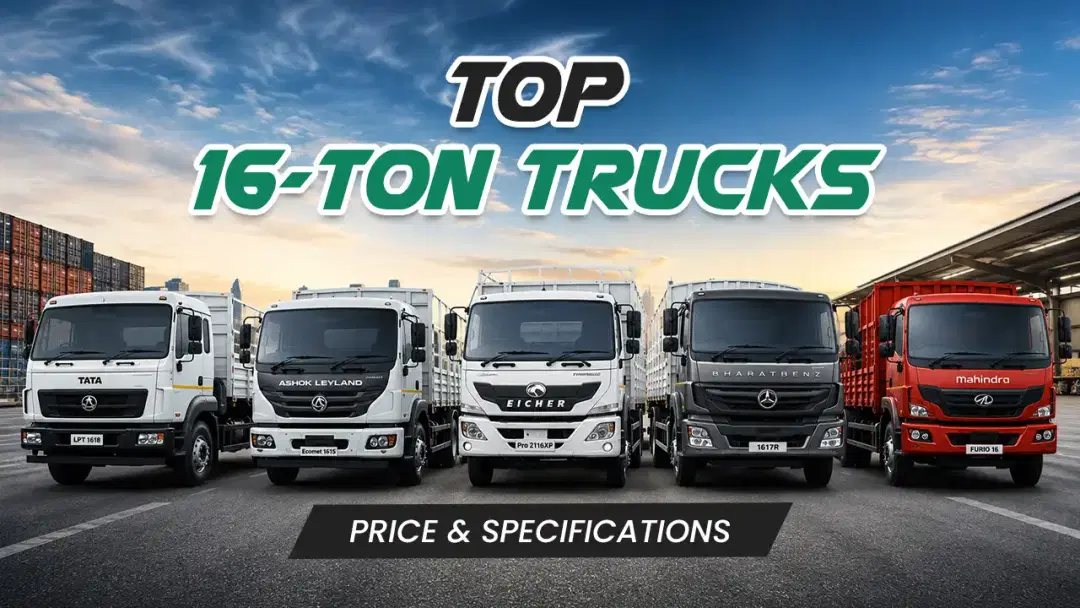


Popular Trucks
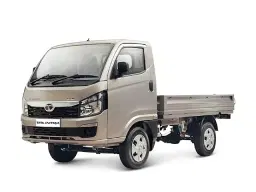
Tata Intra v10
₹7.28 Lakh Onwards
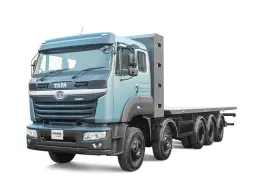
Tata Prima 35.K Auto Shift
Price to be announced
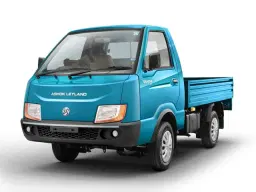
Ashok Leyland Saathi
₹6.50 Lakh Onwards

Mahindra Bolero PIK UP FB 1.3T - PS AC
₹10.48 Lakh Onwards
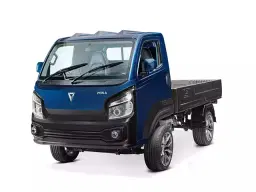
Omega Seiki M1ka
₹15.00 Lakh Onwards
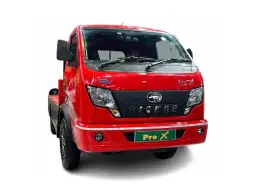
Eicher Pro x
₹17.49 Lakh Onwards
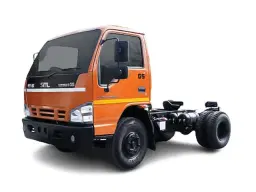
Swaraj Mazda Samrat GS Tipper Chassis
₹21.24 Lakh Onwards
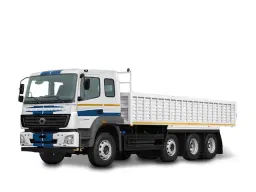
Bharat Benz 3123R
₹40.97 Lakh Onwards
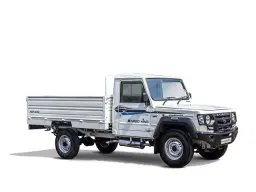
Force Kargo King
₹6.49 Lakh Onwards
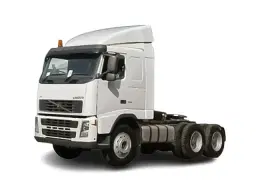
Volvo FM 440 6x4
₹70.00 Lakh Onwards