
Truck Insurance in India: Types, Coverage, Benefits & How to File a Claim
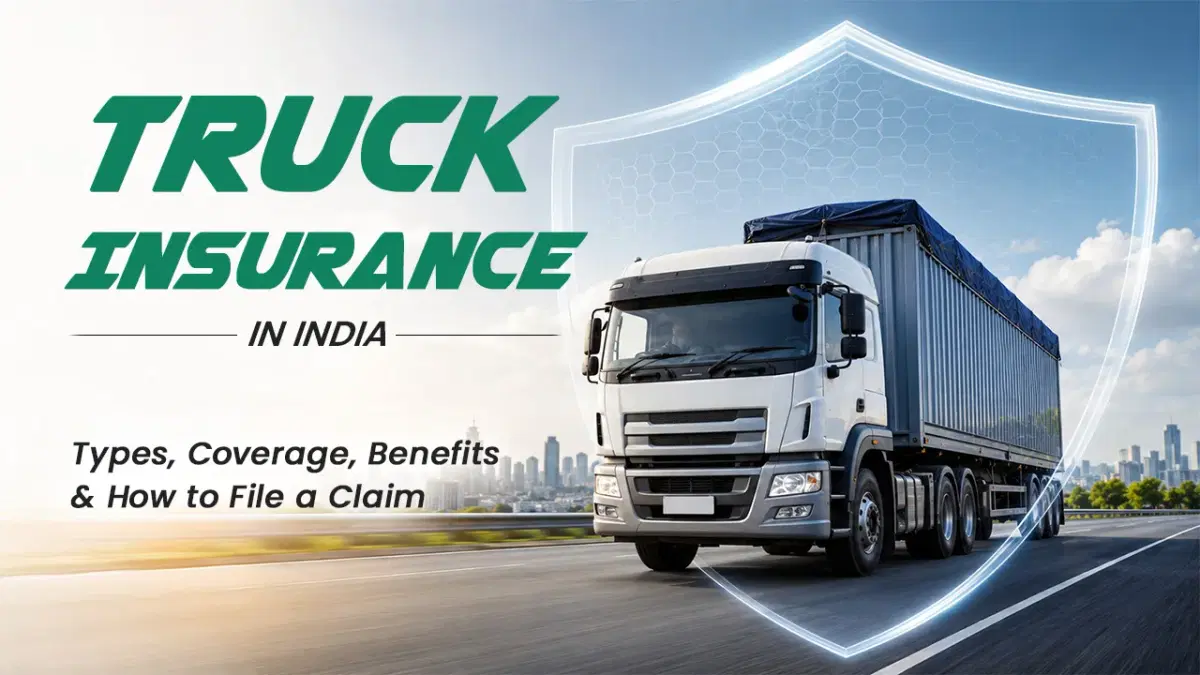
Truck insurance is not optional for any commercial vehicle operator in India — it is a legal requirement under the Motor Vehicles Act, 1988, and operating without it can result in heavy fines, vehicle seizure, and personal liability that can cripple a transport business overnight. For truck owners running a single Tata LPT on the Delhi–Mumbai corridor or fleet operators managing 50 tippers across construction sites in Maharashtra, the right insurance policy is the difference between absorbing an accident as a manageable cost and watching it shut down operations for weeks. With premiums, policy structures, and claim processes evolving rapidly, understanding your options as of June 2026 is essential before you renew or purchase a policy.
What Does Truck Insurance Actually Cover?
Commercial vehicle insurance in India broadly protects against two categories of risk: liability to third parties and damage to your own vehicle. The scope of coverage depends entirely on the type of policy you hold.
Third-party truck insurance is the legally mandated minimum. It covers bodily injury, death, and property damage caused to a third party when your truck is at fault. If your loaded heavy commercial vehicle rear-ends a car on NH-48 and injures the occupants, your third-party insurer settles those claims. What it does not cover is any damage to your own truck. A vehicle that costs ₹25–40 lakh or more sitting off-road for a month due to accident repairs represents serious revenue loss — third-party cover leaves that burden entirely on the owner.
Comprehensive truck insurance extends coverage to include Own Damage (OD) Cover, protecting your vehicle against accidents, theft, fire, floods, cyclones, landslides, and riots. For long-haul operators whose trucks cross multiple states and weather zones, or city logistics operators whose vehicles navigate chaotic urban traffic daily, comprehensive cover offers the financial safety net that keeps the business running. The Insured Declared Value (IDV) — essentially the market value of your truck at the time of insuring — determines your maximum claim payout under an OD policy, so it is critical to ensure this figure accurately reflects your vehicle's worth when renewing each year.
Add-On Covers Worth Considering
Beyond the base policy, insurers in India offer several add-on covers that address specific risks transport businesses face. Zero depreciation cover ensures that when you claim for parts replacement, the insurer pays the full cost without deducting for the age-related depreciation of components — particularly valuable on trucks under three years old. Return to Invoice cover is useful for newer vehicles, compensating the full purchase price rather than the depreciated IDV in case of total loss or theft. Engine protection cover, roadside assistance, and tyre replacement covers are also available from most major insurers and can be bundled at a relatively modest additional premium. Fleet operators should specifically evaluate consumables cover, which includes the cost of nuts, bolts, oil, and other materials typically excluded from standard claims — these costs add up significantly across a large fleet.
Third-Party vs Comprehensive Truck Insurance
The choice between policies is one of the most important financial decisions a truck owner makes.
Single-vehicle owners running older trucks on low-margin routes sometimes opt for third-party cover to keep costs manageable, but this is a high-risk decision. A ₹3–5 lakh repair bill after a highway accident is not unusual, and without OD cover, that cost is entirely out-of-pocket. Fleet operators and long-haul transport businesses should invariably choose comprehensive fleet insurance or individual comprehensive policies — the premium difference is insignificant against the operational risk exposure across multiple assets running 24 hours.
Construction truck operators face specific risks: tippers, transit mixers, and heavy-duty vehicles operating in unstable terrain face rollover and machinery damage risks not typical of highway freight. Comprehensive cover with an add-on for on-site hazards is the appropriate standard for this segment.
How to File a Truck Insurance Claim
The truck insurance claim process in India follows a defined procedure, and deviating from it is the most common reason legitimate claims get rejected.
Immediately after an accident or theft, inform your insurer through their helpline or app — most insurers now accept digital first notices. For accidents, do not move the vehicle without informing the insurer, as this can be flagged as tampering with evidence. File an FIR at the nearest police station for theft, serious accidents involving third-party injury, or natural disaster losses. The insurer will then assign a licensed surveyor for a Surveyor Inspection of the vehicle and damage assessment. For cashless claims, your truck must be taken to a network garage empanelled with your insurer; the repair cost above any deductibles is settled directly between the insurer and the workshop. Under a reimbursement claim, you pay for repairs at a garage of your choice and submit invoices for reimbursement — this route involves more paperwork and a longer wait.
Why Claims Get Rejected
Claims are commonly rejected when the driver did not hold a valid commercial driving licence at the time of the incident, when the vehicle was being used outside its declared purpose (for example, using a goods carrier for passenger transport), or when the accident occurred while the policy had lapsed. Overloading is another major ground for rejection — if your truck's loaded weight exceeded the legal limit at the time of the accident, the insurer has grounds to deny the claim. Always ensure your vehicle documents, fitness certificate, and permit are current; insurers scrutinise these during the claim process.
No Claim Bonus and Policy Renewal
No Claim Bonus (NCB) is one of the most financially valuable benefits available to truck owners who maintain a claims-free record. For each year without a claim, your renewal premium on the OD component drops — starting at 20% after the first year and stepping up to as high as 50% after five consecutive claim-free years. For a fleet operator with 20 trucks maintaining clean records, this translates into substantial annual savings that directly improve operational profitability.
Truck insurance renewal should never be treated as routine paperwork. Each renewal is an opportunity to review your IDV, assess whether your add-on covers still match your operational risk profile, and compare competing insurers on both premium and claim settlement ratio. A policy that lapses — even for a day — voids any accumulated NCB and creates a compliance gap that carries legal and financial consequences if an incident occurs during that window.
For any transport business thinking through total cost of ownership, insurance is a core input alongside fuel, maintenance, and EMI costs. If you are evaluating your fleet finances more broadly, the truck financing guide and fleet management cost resources on Drivio Trucks offer the context to plan more accurately.
Choosing the Right Policy for Your Business
Truck owners operating a single older vehicle on a limited budget can consider third-party cover as the minimum legal requirement, but should understand they are fully exposed to own-damage costs. Anyone operating vehicles valued above ₹10 lakh, running long-haul interstate routes, or managing a fleet of two or more trucks should treat comprehensive commercial vehicle insurance as a non-negotiable business expense, not an optional overhead.
Before purchasing or renewing, compare premiums across at least three insurers, check their Incurred Claim Ratio (the percentage of collected premiums paid out as claims — a reliable indicator of how freely they settle), and evaluate the size and location of their network garages relative to your key routes. The cheapest policy rarely offers the best protection when you need it most. Check truck insurance options, premiums, and commercial vehicle financing solutions on Drivio Truck.

Popular Trucks
Tata Intra v10
₹7.28 Lakh Onwards
Tata Prima 35.K Auto Shift
Price to be announced
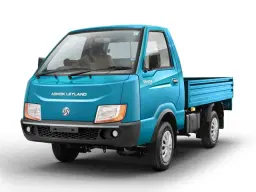
Ashok Leyland Saathi
₹6.50 Lakh Onwards
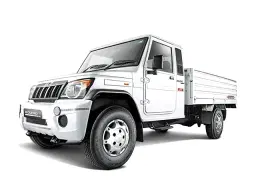
Mahindra Bolero PIK UP FB 1.3T - PS AC
₹10.48 Lakh Onwards
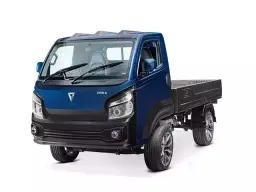
Omega Seiki M1ka
₹15.00 Lakh Onwards
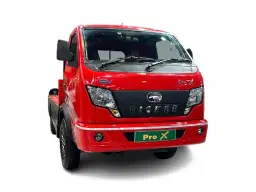
Eicher Pro x
₹17.49 Lakh Onwards
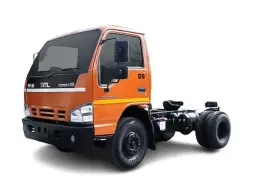
Swaraj Mazda Samrat GS Tipper Chassis
₹21.24 Lakh Onwards
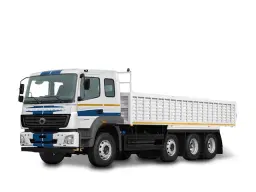
Bharat Benz 3123R
₹40.97 Lakh Onwards
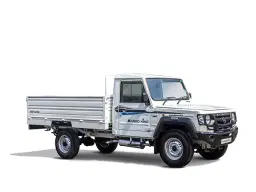
Force Kargo King
₹6.49 Lakh Onwards
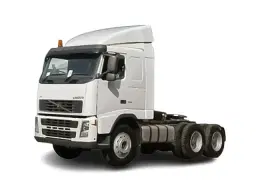
Volvo FM 440 6x4
₹70.00 Lakh Onwards