
Commercial Vehicle Loan India: Rates from 10%, Documents, EMI

A commercial vehicle loan in India now starts at around 10% per annum, and select lenders fund up to 95% of the vehicle cost. A ₹10 lakh pickup can therefore be financed with a down payment of as little as ₹50,000. For a first-time fleet owner in October 2026, the real question is not whether finance is available. It is whether your profile and paperwork will earn the lowest rate. This guide walks through who qualifies, what lenders ask for, and what the EMI actually costs.
Who Qualifies for a Commercial Vehicle Loan in India
Lenders judge three things before anything else: who you are, how the vehicle will earn, and how you have repaid earlier debt. Banks and NBFCs commonly lend to individuals, proprietorships, partnership firms and private or public limited companies, with an age window of 18 to 70 years at the end of the tenure. A credit score of 700 or above is typically the comfort zone for the sharpest rates. NBFCs such as Shriram Finance and Poonawalla Fincorp, which lends up to ₹1 crore, tend to take a more flexible view of used vehicles and first-time operators.
Experience Counts More Than Collateral
Most CV finance is secured against the vehicle itself, so you rarely need to pledge a house or land. What lenders want instead is proof that the truck will earn. That can be prior experience as a driver or operator, a standing contract with a transporter or logistics firm, or a running business with steady bank inflows. First-time buyers with none of these should expect a higher down payment, often 20–25% instead of the 5–10% offered to established fleet owners. A co-applicant with a clean repayment record can improve both approval odds and the rate.
Documents You Need for Truck Finance
Keep your KYC ready first: Aadhaar, PAN, address proof and recent photographs. For income, lenders usually ask for the last six months’ bank statements and two years of income tax returns. Firms add GST registration and business proof. The dealer’s proforma invoice or quotation covers the vehicle side, and existing operators are often asked for a fleet list with RC copies of trucks already owned. Buying used adds more paperwork, including the registration certificate, valid insurance, permit details and a valuation report.
From Application to Disbursal: The Process
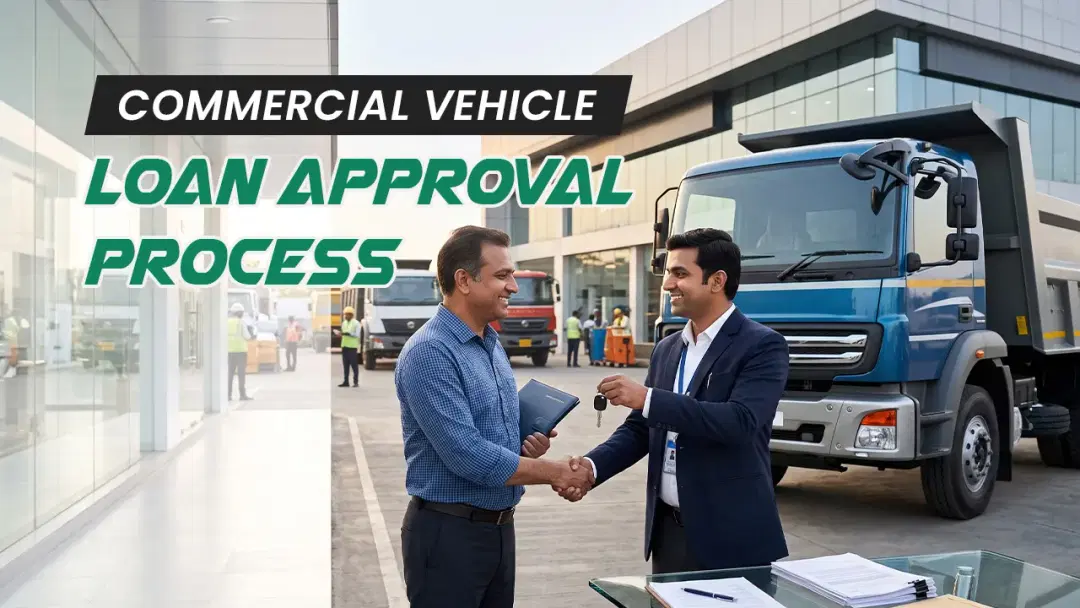
Start by comparing quotes from two or three lenders, then submit your application with all documents. Verification and credit appraisal follow, and for used vehicles a lender-appointed valuer inspects the truck. Once documents are complete, banks usually take around four to five days to process an application, though NBFCs can move faster. After your commercial vehicle loan is sanctioned, you pay the down payment and the lender disburses directly to the dealer. The hypothecation is then endorsed on the RC in the lender’s favour, and delivery follows once insurance and registration are done.
Banks vs NBFCs: Where Should You Borrow?
SBI offers financing of up to 95% on commercial vehicles but publishes no fixed rate, so pricing is profile-based. NBFCs also advertise rates from roughly 10%, yet they likely charge more for thin documentation, often in the low-to-mid teens, in exchange for faster approvals and a softer stance on used trucks and irregular income. Choose a bank if you hold clean ITRs and a strong score. Choose an NBFC if speed or a used vehicle matters more than the last percentage point. Compare processing fees, prepayment charges and foreclosure rules too, because a 0.5% rate advantage can disappear under a steep penalty.
How to Get a Lower Interest Rate
Clear any pending dues and check your credit report for errors at least a month before applying. Maintain a steady balance in your business account for six months, since lenders read erratic inflows as risk. A bigger down payment cuts the lender’s exposure and often the rate, and a new vehicle generally prices better than a used one. Ask the dealer about manufacturer-linked finance tie-ups as well, because these can come with reduced processing fees. Finally, avoid applying to five lenders at once, as multiple hard enquiries can pull your score down.
What the EMI Actually Looks Like
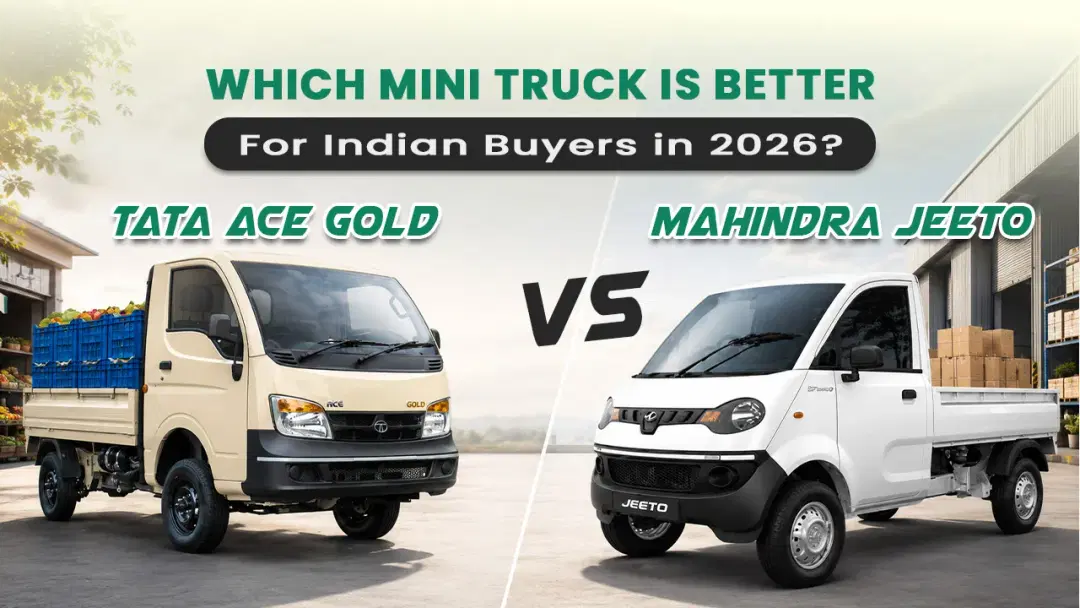
Take a ₹10 lakh ex-showroom light commercial vehicle. That bracket sits above the Tata Ace and Mahindra Jeeto that Drivio has covered, in the range of larger pickups. With 20% down (₹2 lakh), you borrow ₹8 lakh. Over 60 months at 11%, the EMI works out to approximately ₹17,396, with total interest of about ₹2.44 lakh. Stretch to 72 months and the EMI drops to roughly ₹15,230, but interest climbs to nearly ₹2.97 lakh. At 48 months the EMI rises to about ₹20,677 and interest falls to ₹1.92 lakh.
On-road price in Delhi or Mumbai will likely add registration, insurance and road tax, so budget roughly ₹10.8–11.2 lakh. Then test the EMI against real earnings. ₹17,396 works out to about ₹580 a day across a 30-day month, or roughly ₹725 across 24 working days. That is before diesel at about ₹95 a litre, driver pay, tyres and toll costs. If your expected trips cannot clear that comfortably on Indian roads, with loading delays and idle days, the loan is too big for the vehicle.
Verdict: Apply Prepared, Not Hurried
A commercial vehicle loan rewards preparation more than speed. If your ITRs are clean and your score is above 700, approach a bank first and use its offer as leverage. If you are buying used or your income is irregular, an NBFC is the realistic route, and a larger down payment will keep the rate in check. Pick the shortest tenure your monthly cash flow can carry, since every extra year adds lakhs in interest. Before you sign, check the on-road price and EMI for the vehicle you are shortlisting in your city on Drivio, then take that number to every lender.


Popular Trucks
Tata Intra v10
₹7.28 Lakh Onwards
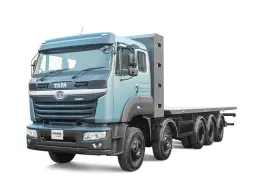
Tata Prima 35.K Auto Shift
Price to be announced
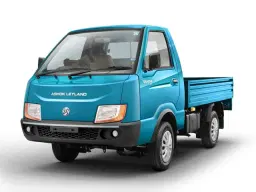
Ashok Leyland Saathi
₹6.50 Lakh Onwards
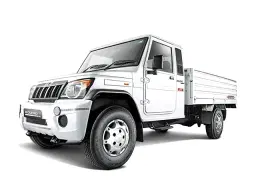
Mahindra Bolero PIK UP FB 1.3T - PS AC
₹10.48 Lakh Onwards
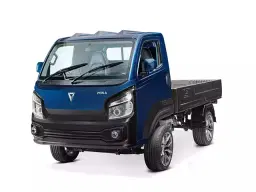
Omega Seiki M1ka
₹15.00 Lakh Onwards
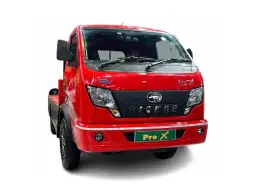
Eicher Pro x
₹17.49 Lakh Onwards
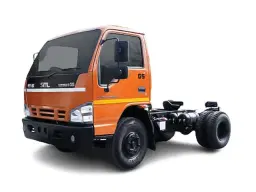
Swaraj Mazda Samrat GS Tipper Chassis
₹21.24 Lakh Onwards
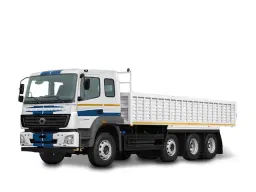
Bharat Benz 3123R
₹40.97 Lakh Onwards
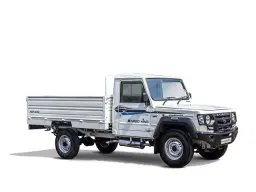
Force Kargo King
₹6.49 Lakh Onwards
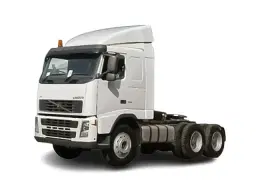
Volvo FM 440 6x4
₹70.00 Lakh Onwards