
Best Commercial Vehicle for First-Time Buyers From ₹3.99 Lakh

The best commercial vehicle for first-time buyers in India this October 2026 is the Tata Ace Pro, which starts at ₹3.99 lakh ex-showroom after the GST 2.0 price cuts. For someone about to sign a five-year loan on a first mini truck, the sticker price matters less than what follows it: payload, fuel bill, service reach and resale value. We compared the three vehicles most beginners shortlist and worked out what each costs to own on Indian roads.
Best Commercial Vehicle for First-Time Buyers: What to Check Before You Pay
A first-time owner usually drives the vehicle personally, so the cabin, turning radius and ease of servicing matter as much as the spec sheet. Payload decides income: a truck rated for 750 kg that is regularly loaded to 900 kg will wear out clutch plates and rear leaf springs within a year. Check the gross vehicle weight (GVW), the distance from your route to the nearest authorised workshop, and how quickly spares reach your town. Resale also deserves a look, since a popular model with a dense service network sells faster in the used market. Finally, keep the loan small enough that one slow month does not put the vehicle at risk.
Tata Ace Pro: The Lowest Entry Price
The Ace Pro petrol runs a 694 cc engine making about 30 hp and 55 Nm, with a payload of 750 kg, a 6.5-foot deck and a GVW of 1,460 kg. The torque curve is gentle rather than punchy, so a loaded climb up a flyover ramp means dropping to second gear, but in stop-start city delivery that rarely matters. On-road price in Delhi will be approximately ₹4.35 lakh, and around ₹4.45 lakh in Mumbai, depending on registration and insurance. Tata also sells a bi-fuel CNG-plus-petrol version at ₹4.99 lakh for owners with a CNG pump on their route, and an electric Ace Pro at about ₹6.50 lakh with a claimed 155 km range. For the bigger diesel option, our Tata Ace Gold Plus coverage goes into more detail.
Tata Ace Gold+ Diesel: For Owners Who Run Every Day
Tata launched the Ace Gold+ in September 2025 at ₹5.52 lakh ex-showroom as the most affordable diesel in the Ace range, and its GVW of roughly 1.8 tonnes gives more headroom than the Pro. Dealer listings in October 2026 vary by variant and city, with some quoting up to ₹5.99 lakh, so confirm the exact figure before booking. On-road price in Delhi will be approximately ₹6 lakh. Diesel costs about ₹95 a litre, and assuming 18 kmpl in loaded city use, a vehicle running 100 km a day for 26 days burns around 144 litres, roughly ₹13,700 a month. Add the EMI and the monthly outgo reaches about ₹23,300 before maintenance, which makes diesel sensible only when the vehicle will be earning for most of the day.
Maruti Super Carry and Mahindra Jeeto: How the Rivals Compare
Maruti Suzuki’s Super Carry is the closest rival to the Ace Pro, and it is the stronger machine on paper: a 1.2-litre petrol engine rated at about 72 hp and 98 Nm, against the Pro’s 30 hp and 55 Nm. That extra pull helps on ghat sections and highway stretches, which suits owners who leave the city regularly. The price is higher too, with petrol starting around ₹4.35 lakh and the CNG chassis from roughly ₹5.06 lakh. The Mahindra Jeeto, listed at about ₹4.5 to ₹4.7 lakh depending on fuel, is the third name on most shortlists and is favoured for its tight turning in crowded markets. On pure value for city work, the Ace Pro wins: it costs roughly ₹36,000 less than the Super Carry’s petrol entry price and its 750 kg payload rating fits most vegetable, FMCG and e-commerce loads.
How These Trucks Cope With Indian Roads and Loads
Indian conditions punish small trucks more than the brochure suggests. Broken service roads, overloaded weighbridges and 40-degree afternoons in Delhi and Nagpur stress cooling systems and suspension, so a payload margin of at least 15 per cent below the rated figure is a safer working limit. Ground clearance of around 160 mm, as quoted for the Ace Gold range, copes with speed breakers and flooded lanes better than low-slung pickups. BS6 Phase 2 emission norms mean every petrol and diesel vehicle here carries on-board diagnostics, which makes fault-finding quicker at authorised workshops, though it also means skipping scheduled service is a poor way to save money. A fresh owner should also budget for tarpaulin, a spare tyre and a first-year insurance premium.
What Your First Loan Will Look Like
On a standard structure of 20 per cent down, 60 months and 11 per cent interest, the Ace Pro needs about ₹79,800 upfront and an EMI of roughly ₹6,940. The bi-fuel Ace Pro works out to roughly ₹8,680 a month, while the Ace Gold+ comes to about ₹9,600 with around ₹1.10 lakh down. Treat these as estimates, because lenders add processing fees and insurance, and rates vary with your credit history. A sensible rule is to keep the EMI below a third of what you expect to clear each month after fuel, since tyre replacements and unplanned repairs arrive without notice.
Verdict: Which Mini Truck to Buy First
Buy the Ace Pro petrol if your routes stay inside the city, your loads stay under 700 kg and you want the smallest possible loan. Choose the Ace Gold+ if you will cover 100 km or more every day and can absorb the higher EMI. Pick the Super Carry if your work includes ghat roads or highway runs where 72 hp matters more than ₹36,000. For most beginners the Ace Pro is the best commercial vehicle for first-time buyers, because its low entry cost leaves room for fuel, insurance and a bad month. Before you visit a showroom, check the on-road price and EMI for the Tata Ace Pro in your city on Drivio and compare it with the dealer’s quote.




Popular Trucks
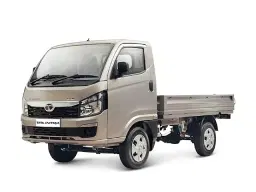
Tata Intra v10
₹7.28 Lakh Onwards
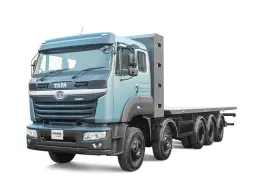
Tata Prima 35.K Auto Shift
Price to be announced
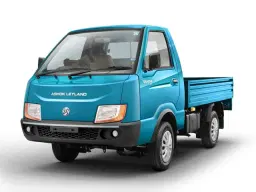
Ashok Leyland Saathi
₹6.50 Lakh Onwards
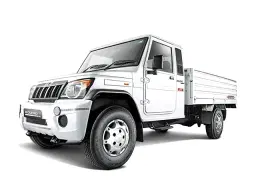
Mahindra Bolero PIK UP FB 1.3T - PS AC
₹10.48 Lakh Onwards
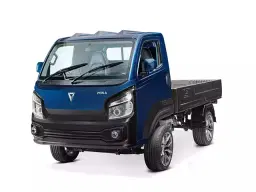
Omega Seiki M1ka
₹15.00 Lakh Onwards
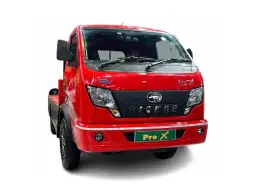
Eicher Pro x
₹17.49 Lakh Onwards
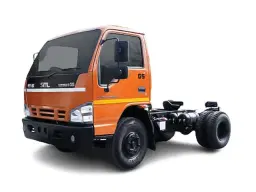
Swaraj Mazda Samrat GS Tipper Chassis
₹21.24 Lakh Onwards
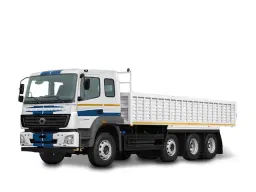
Bharat Benz 3123R
₹40.97 Lakh Onwards
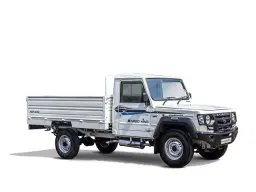
Force Kargo King
₹6.49 Lakh Onwards
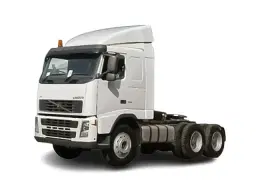
Volvo FM 440 6x4
₹70.00 Lakh Onwards