
Best Trucks for Retail Distribution in India: 5 Picks for 2026
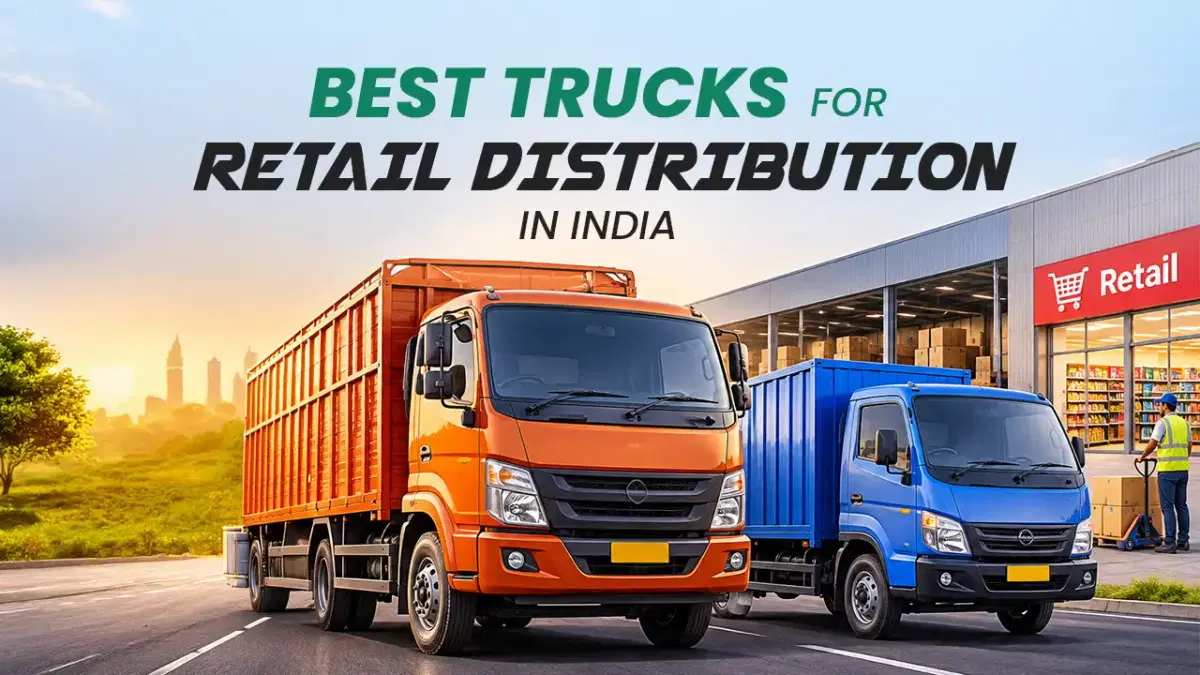
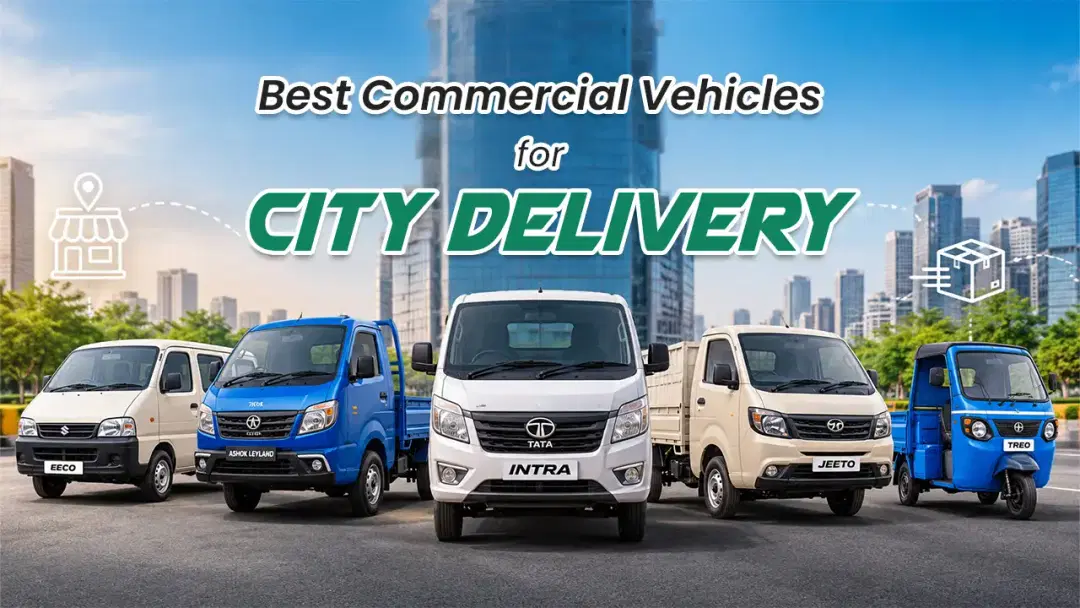
The best trucks for retail distribution in India now start at ₹3.99 lakh ex-showroom, with the Tata Ace Pro opening the range and the Tata Intra V30 and Ashok Leyland Dost+ taking loads of up to 1,500 kg. For a kirana wholesaler, FMCG sub-distributor or dairy agent restocking shops in November 2026, the right payload decides whether a truck earns on every trip or runs half-empty while the EMI keeps ticking.
Which Are the Best Trucks for Retail Distribution in India?
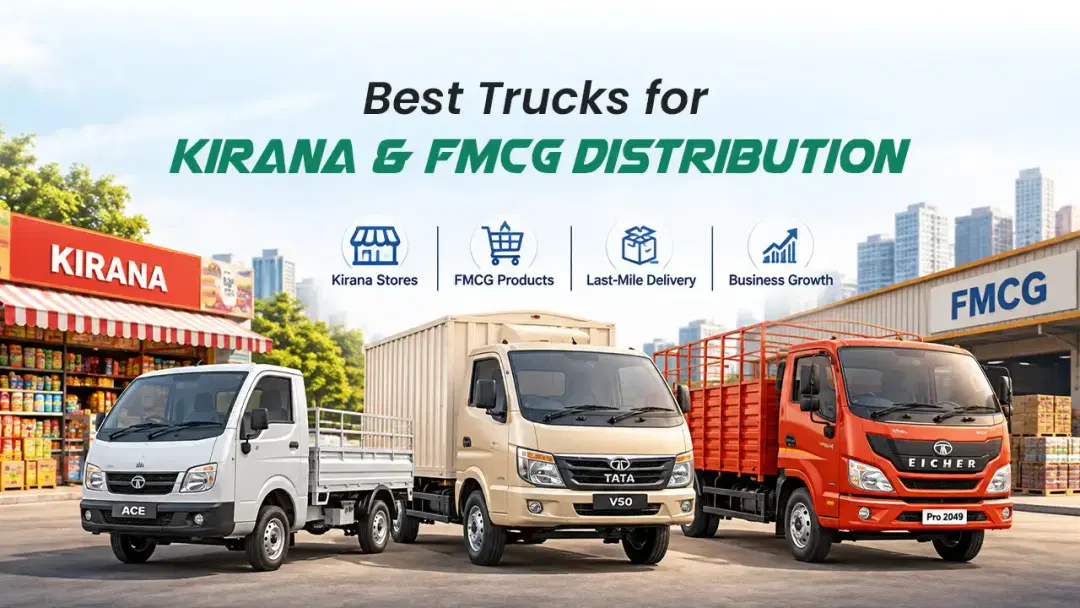
Retail distribution is a multi-drop job. A vehicle loads at the warehouse by 7 am, makes 15 to 30 stops across narrow market lanes and returns empty by evening. That makes payload, deck length, turning radius and cost per kilometre more important than top speed. As a rule of thumb, loads under 750 kg suit a mini truck like the Ace Pro, and 1,000 to 1,300 kg of beverages or packaged food needs a pickup like the Intra V30. Dense wholesale cargo above 1,500 kg belongs in a Dost+ or a small ICV. With diesel at about ₹95 a litre, running cost is the second-biggest expense after the EMI. All prices below are ex-showroom, and on-road figures will vary by city and state.
Tata Ace Pro: The Entry Point for City Drops
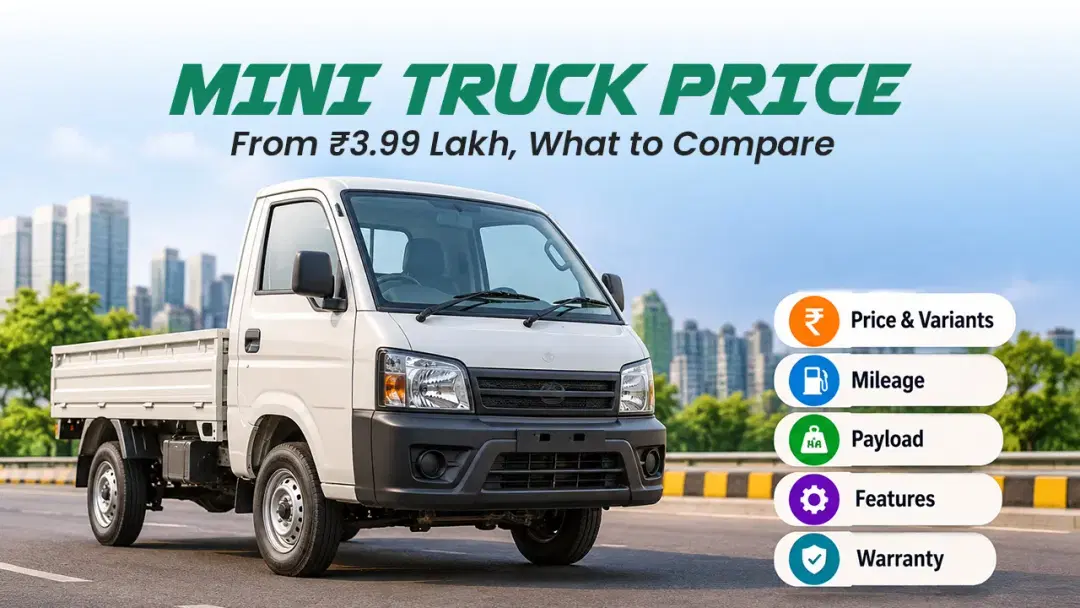
The Ace Pro is the cheapest way into Tata’s small-truck family and a sensible first vehicle for a shop-to-shop delivery business. A 694 cc engine, a 750 kg payload and a 6.5 ft deck handle grocery cartons, detergent cases and bakery trays comfortably. It also accepts half-deck, flatbed or container bodies, which matters when FMCG cartons must stay dry in the monsoon. The petrol version starts at ₹3.99 lakh and the bi-fuel CNG at ₹4.99 lakh. The electric Ace Pro EV starts at about ₹6.50 lakh, with a 29 kW motor, 104 Nm of torque and a claimed range of 155 km. Expect less than that with a full load in summer traffic.
The on-road price in Delhi will likely be around ₹4.4 lakh for the petrol. With 20% down over 60 months at 11% interest, the monthly EMI works out to roughly ₹6,900. Its closest rival, the Maruti Super Carry, starts around ₹5.2 lakh and brings a 1.2-litre engine with a CNG option, but you pay more for the extra power. Our earlier Tata Ace EV vs Ace Gold Diesel comparison explains how the electric version pays back on short, fixed routes.
Tata Intra V30: The Wholesale Workhorse
When a single trip must cover several shops, the Intra V30 moves the conversation from cartons to crates and sacks. Its 1,496 cc BS6 Phase 2 diesel engine makes 70 PS and 140 Nm. It carries 1,300 kg against a 2,565 kg GVW and is priced from about ₹8.11 lakh. The 8.8 x 5.3 ft load body takes stacked crates and sacks without overhang. Expect an on-road price of roughly ₹8.8 lakh in Delhi and an EMI near ₹14,100 on the standard 20% down, 60-month, 11% plan.
Real-world economy is around 15 kmpl when loaded. At ₹95 a litre and 100 km a day across 26 working days, fuel costs about ₹16,500 a month. That is a manageable figure when every trip carries over a tonne of billable cargo.
The Ashok Leyland Dost+ is its direct rival. It is a 1,478 cc, 70 hp diesel with a 1,500 kg payload, priced from about ₹7.75 lakh. It carries 200 kg more for less money, so choose it for dense loads like beverage crates or flour sacks. Pick the Intra V30 if Tata’s service reach in your district matters more.
Mahindra Supro and Maruti Super Carry: Mileage-Led Options
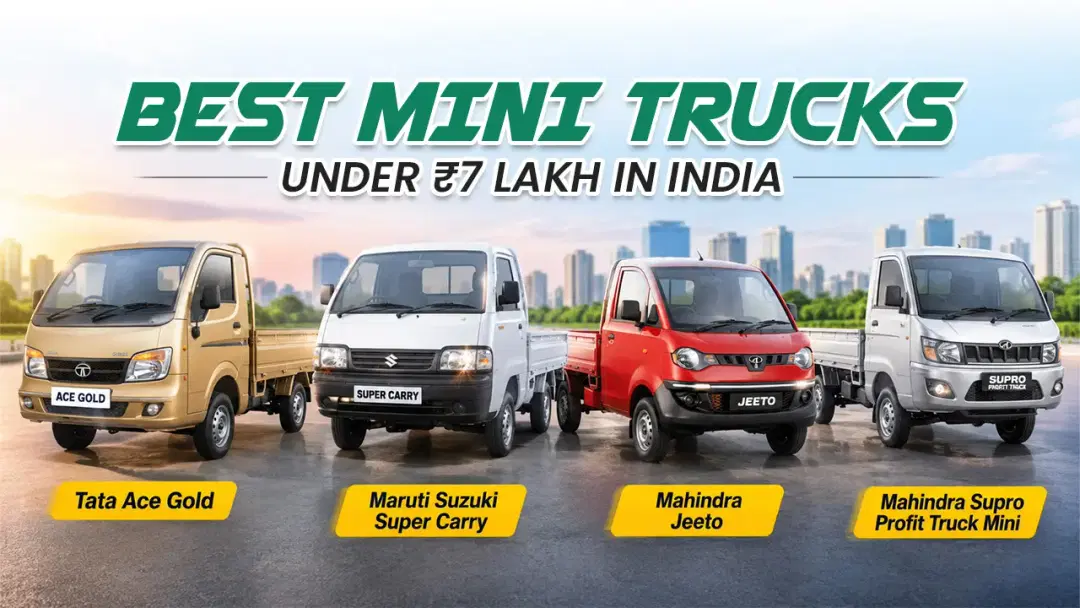
Buyers who cover long daily distances should look at the Mahindra Supro Profit Truck Mini, a 909 cc diesel with a 900 kg payload from about ₹5.7 lakh. Claimed mileage is around 22 kmpl, and even a loaded real-world figure in the high teens would undercut most rivals on running cost.
The Maruti Super Carry takes a different route. Its petrol and CNG options suit metro distributors who have a CNG pump on their daily route. Outside the big cities, patchy CNG availability is the catch, so check the pumps along your route before signing the booking form. Both trucks sit between the Ace Pro and the Intra V30 on price. That makes them useful when your load is heavier than 750 kg but a full pickup feels like overspending.
When to Step Up to a Small ICV
Regional distributors who move stock from a warehouse to several stockists need more than a pickup. The Eicher Pro 2049 CNG, priced from about ₹13.3 lakh, uses a 3.3-litre engine making 95 hp. It offers 2,286 kg of loading capacity and a 4,995 kg GVW. The Tata 407 Gold, at roughly ₹10.75 to ₹12 lakh, is a cheaper route into the same class. These trucks cost nearly twice as much as an Intra V30, so move up only when your weekly volumes actually fill them. A half-loaded ICV costs more per kilometre than a full pickup.
Verdict: Match the Truck to Your Heaviest Regular Load
The best trucks for retail distribution are the ones whose payload fits your heaviest regular load, not the biggest number on a brochure. For lane-level deliveries under 750 kg, the Tata Ace Pro in petrol or CNG has the lowest entry cost and EMI. For beverages, packaged food and multi-shop wholesale runs, the Tata Intra V30 is the safer buy, while the Dost+ deserves a test drive if your cargo is dense. Choose the electric Ace Pro only if your daily route is fixed, short and has overnight charging at the depot. Budget separately for the load body, insurance and RTO charges, since they push the final bill above the ex-showroom number. Check the on-road price and EMI for the Tata Ace Pro or Intra V30 in your city on Drivio before you book your body builder.
Popular Trucks
Tata Intra v10
₹7.28 Lakh Onwards
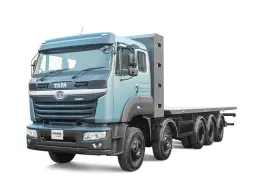
Tata Prima 35.K Auto Shift
Price to be announced
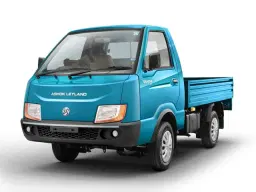
Ashok Leyland Saathi
₹6.50 Lakh Onwards
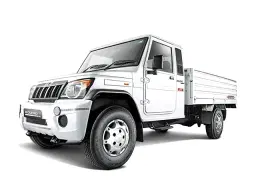
Mahindra Bolero PIK UP FB 1.3T - PS AC
₹10.48 Lakh Onwards
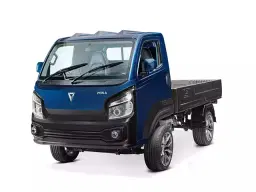
Omega Seiki M1ka
₹15.00 Lakh Onwards
Eicher Pro x
₹17.49 Lakh Onwards
Swaraj Mazda Samrat GS Tipper Chassis
₹21.24 Lakh Onwards
Bharat Benz 3123R
₹40.97 Lakh Onwards
Force Kargo King
₹6.49 Lakh Onwards
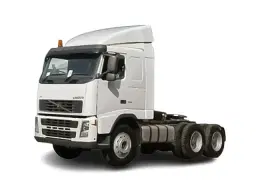
Volvo FM 440 6x4
₹70.00 Lakh Onwards