
Commercial Vehicle Finance Before Diwali: 8.5–12.5% Rates

A ₹6 lakh mini truck bought on a 60-month loan costs about ₹10,437 a month, and commercial vehicle finance across India is at its most negotiable in the days before Diwali on 8 November. Dealers are clearing October 2026 stock, NBFCs are chasing festive disbursal targets, and the 18 percent GST on goods carriers, in place since September 2025, keeps ex-showroom prices well below their old levels. Miss this window and you negotiate from a weaker position.
Commercial Vehicle Finance Rates in India: What Lenders Charge in October 2026
Banks and NBFCs currently price truck and mini-truck loans anywhere between 8.5 percent and 12.5 percent a year, and where you land depends on your CIBIL score, your repayment record and whether you are a first-time owner. Public sector banks sit at the lower end but typically ask for more paperwork and take longer. NBFCs such as Shriram Finance advertise rates from 10 percent, usually approve faster, and are more willing to assess owner-drivers whose income is largely cash. Tenure generally tops out at 60 months, and applicants must be under 70 when the loan matures.
The headline rate is only half the story. Shriram’s published schedule lists processing fees of up to 5 percent and foreclosure charges of up to 4 percent, and most lenders levy comparable charges. On a ₹4.8 lakh loan, a 5 percent processing fee alone is ₹24,000, more than two full EMIs. Ask every lender for the APR, which folds fees into the rate, because a 10 percent loan with heavy charges can cost more than an 11.5 percent loan with none.
The EMI Math on a Tata Ace Gold Diesel
Take the Tata Ace Gold Diesel, which starts at about ₹5.99 lakh ex-showroom in Delhi-NCR, with a 750 kg payload and a GVW of 1,670 kg. Put 20 percent down, or ₹1.2 lakh, finance the remaining ₹4.8 lakh at 11 percent over 60 months, and the EMI comes to roughly ₹10,437. You will pay about ₹1.46 lakh in interest over the term. On-road price in Delhi will likely be approximately ₹6.4 lakh to ₹6.6 lakh once insurance and registration are added, and many lenders fund against the ex-showroom value, so budget that gap in cash.
Fuel is the other big monthly cost. A driver covering 100 km a day over 26 working days burns about 144 litres at a realistic 18 kmpl loaded, which is roughly ₹13,700 a month at ₹95 a litre diesel. Add the EMI and you are at about ₹24,100 before insurance, tyres, parking and a helper’s wage. That is the number your monthly freight income has to clear comfortably, and it is why lenders look hard at bank statements before they sanction anything.
Before settling on a diesel truck, read our Tata Ace EV versus Ace Gold Diesel comparison, because lower running costs on the electric version change how much EMI a route can carry. Our guide to commercial vehicle earning potential shows how to test a route against loan repayments before you sign.
Ace Gold Diesel vs Ashok Leyland Dost: Which Is Easier to Finance?
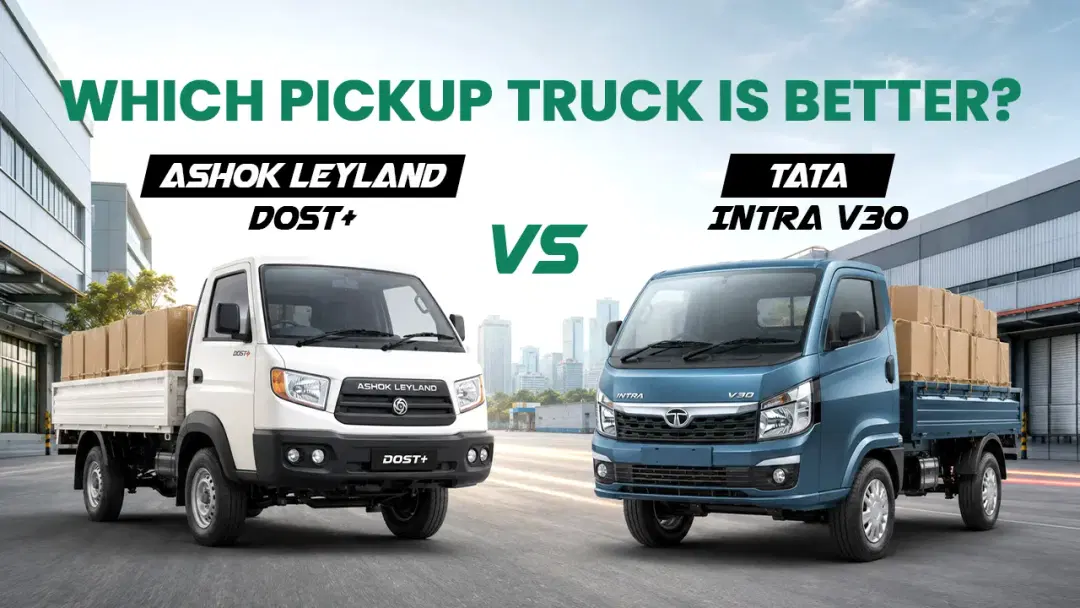
The nearest rival is the Ashok Leyland Dost, which starts around ₹5.6 lakh ex-showroom. On identical terms of 20 percent down and 11 percent over 60 months, its EMI drops to about ₹9,740, nearly ₹700 a month less than the Ace. That saving is real, but so is the Ace’s deeper service network across most districts, and an idle truck costs you a day of freight you cannot recover. If your route runs through areas with thin workshop coverage, pay the extra for the Tata. If a Dost dealer is close to your base, the lower ticket wins.
How to Cut the Cost of Your Loan Before Diwali
Festive season gives you leverage, but only if you use it. Ask the dealer to waive or halve the processing fee, since many finance desks have discretion during festival campaigns. Dealers often bundle free insurance, extended warranties or servicing packages during Diwali, so ask for each benefit in writing. Push for a shorter tenure if your cash flow allows: the same ₹4.8 lakh at 11 percent over 48 months raises the EMI to about ₹12,406 but cuts total interest to roughly ₹1.15 lakh, saving nearly ₹30,700. Avoid zero-down offers, which push the rate up and leave you owing more than the truck is worth for the first year. Keep your CIBIL score above 750 where possible, because that is the usual threshold for the best slabs.
Documents and Eligibility Checks
Paperwork decides how fast the money moves. Expect lenders to ask for KYC, six months of bank statements, ITR or GST returns, and proof of how the vehicle will earn, such as a transporter’s contract or a booking letter. First-time buyers with no credit history should expect a larger down payment or a co-applicant. Every new diesel truck sold today meets BS6 Phase 2 norms, so compliance is rarely the sticking point; paperwork mismatches are. Make sure the invoice, insurance and registration all carry the borrower’s name before the lender releases funds. Sorting this before 8 November matters because commercial vehicle finance desks and RTO offices tend to slow down around the holiday.
Buy Now or Wait?
For owner-operators with steady loads and a CIBIL score above 750, the next two weeks are the right time to buy. Lenders are competing, dealers are motivated, and an EMI near ₹10,437 is manageable if monthly freight income comfortably covers about ₹24,100 in EMI and fuel. Buyers with irregular income or a thin credit file should wait, build a larger down payment and revisit the numbers in December, when year-end clearance offers return. Either way, commercial vehicle finance is cheapest when you walk in with documents ready and two competing quotes in hand. Check the on-road price and EMI for the Tata Ace Gold Diesel in your city on Drivio before the festive offers close.





Popular Trucks
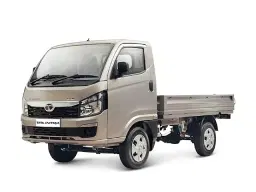
Tata Intra v10
₹7.28 Lakh Onwards
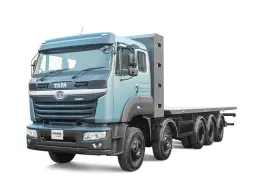
Tata Prima 35.K Auto Shift
Price to be announced
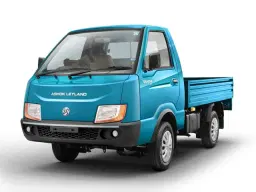
Ashok Leyland Saathi
₹6.50 Lakh Onwards

Mahindra Bolero PIK UP FB 1.3T - PS AC
₹10.48 Lakh Onwards
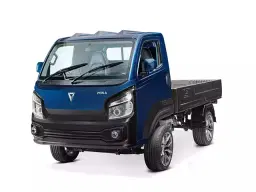
Omega Seiki M1ka
₹15.00 Lakh Onwards
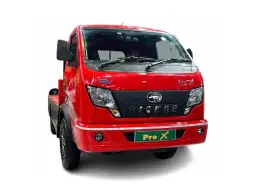
Eicher Pro x
₹17.49 Lakh Onwards

Swaraj Mazda Samrat GS Tipper Chassis
₹21.24 Lakh Onwards
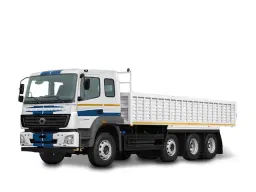
Bharat Benz 3123R
₹40.97 Lakh Onwards
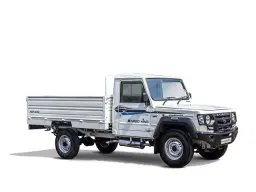
Force Kargo King
₹6.49 Lakh Onwards

Volvo FM 440 6x4
₹70.00 Lakh Onwards