
Truck Payload vs GVW: What Indian Buyers Must Check
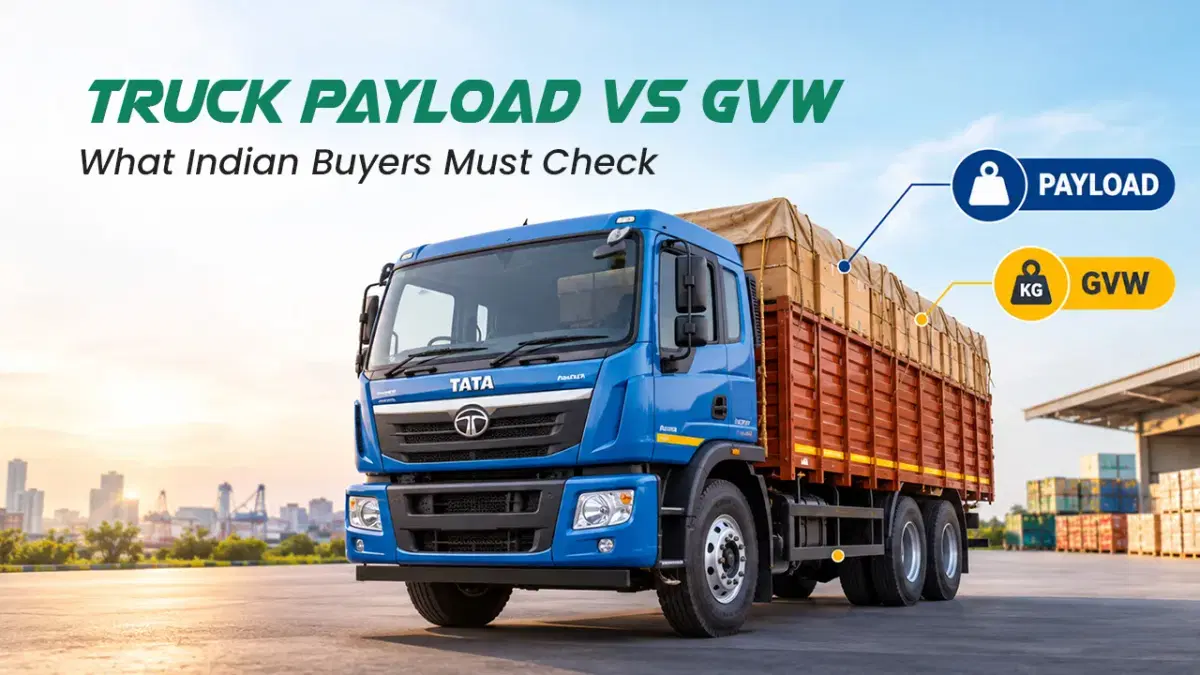
Truck payload vs GVW is the first pair of numbers every buyer in India should compare before signing for a pickup. The Tata Intra V50, priced from around ₹8.2 lakh ex-showroom, has a GVW of 2,960 kg but is meant to carry only 1,500 kg of cargo. Treat the GVW as your load limit and the truck is overloaded from the first trip, which invites a fine of ₹20,000 plus ₹2,000 for every extra tonne and quietly wears out tyres, clutch and suspension.
Truck Payload vs GVW: What Each Number Means
GVW, or gross vehicle weight, is the maximum laden weight the manufacturer permits for that truck. It appears on the registration certificate and the chassis plate, and it counts everything: the empty vehicle, fuel, load body and cargo. Payload is only the part of that figure you are allowed to load. The sum is simple: GVW minus kerb weight gives payload. A heavier body or a bigger fuel tank therefore leaves less room for goods, even when the GVW on the brochure looks impressive.
That is why two trucks with similar GVW can earn very differently. The Tata Ace Gold petrol, for instance, is listed at 875 kg payload as a cab chassis but only 735 kg with a high deck body, on the same 1,615 kg GVW. A dealer-fitted steel container weighing 150 kg more than a basic deck takes about 150 kg straight off what you can legally load. Always ask for the kerb weight of the exact variant and body on your quote, not the chassis alone.
How payload and GVW compare across Indian trucks
The ratio of payload to GVW is a quick way to judge how much of a truck’s weight is earning for you. The Tata Ace Gold diesel is listed at about 1,675 kg GVW with a 750 kg payload, so just under 45 per cent of its permitted weight is cargo. The Intra V50 manages 1,500 kg on 2,960 kg, about 51 per cent. The Tata 407 Gold SFC carries 2,267 kg on a 4,650 kg GVW, close to 49 per cent, while the Tata 1512 LPT hauls 10,550 kg on 16,020 kg, roughly 66 per cent. Listed figures vary by source and body type, so confirm them on your quote.
Variants shift the picture again. The Intra V50 Gold raises GVW to 3,160 kg and payload to about 1,705 kg with the same 80 hp and 220 Nm, and the Gold VX goes to 3,210 kg with a 1,700 kg payload. If your regular load sits near 1.6 tonnes, that extra 200 kg or so is the difference between running legal and running overloaded. Price listings for the V50 range from about ₹8.2 lakh to ₹9.1 lakh across portals, partly because they mix base and Gold variants, so confirm which one you are being quoted.
Intra V50 vs Ace Gold: what the payload gap means in rupees
The Intra V50’s 1,496 cc diesel makes 79 hp and 220 Nm between 1,750 and 2,500 rpm, enough to move a full 1.5-tonne load without constant downshifts. Listed mileage is 14–17 kmpl; with a full load on Indian highways and city traffic, expect around 12–14 kmpl. Cover 2,500 km a month at 13 kmpl with diesel at about ₹95 a litre and you burn roughly 192 litres, or ₹18,300 a month. An Ace Gold diesel at a likely real-world 18 kmpl would cost around ₹13,200 for the same distance but carries half the cargo, so when both run full, the Intra V50 is the cheaper truck per tonne moved.
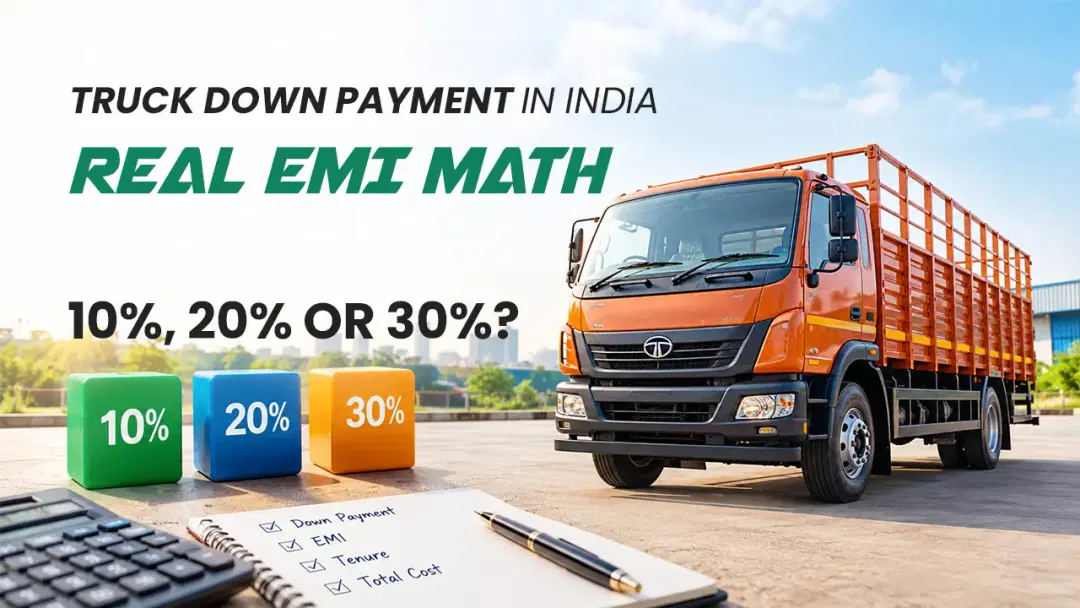
On-road price context: in Delhi or Mumbai, the Intra V50 is likely to cost between ₹8.8 lakh and ₹9.7 lakh on the road, depending on variant, insurance and registration. With a 20 per cent down payment and a 60-month loan at 11 per cent interest, the EMI on an ₹8.2 lakh price works out to roughly ₹14,300. That is under ₹500 a day, which a regularly loaded pickup can usually earn back from freight.
What to check before you buy
Start with the GVW on the registration certificate, because that figure, not the brochure, is what an RTO officer or weighbridge operator uses. Then work out payload yourself from the kerb weight and compare it with your heaviest regular load. Keep roughly a 10 per cent margin, since a truck that is legally full on every trip has no room for an extra crate or a wet load of sand. Treat truck payload vs GVW as a daily-use rule, not a showroom detail. Fleet owners running mixed loads, such as sacks of grain one day and steel pipes the next, should size for the denser cargo, because dense goods hit the payload limit long before the body is full.
Next, look at what carries the weight. Tyre ply rating and axle capacity set the real limit, so a truck run at its limit every day on worn tyres is a puncture and a delay waiting to happen. Under Section 194 of the Motor Vehicles Act, an overloaded vehicle attracts a fine of ₹20,000 plus ₹2,000 per extra tonne, and the excess can be ordered off the truck at the owner’s cost. A single stop at a highway weighbridge can therefore cost more than a day’s earnings, which is far more than the few bags you squeezed in.
For loads under 700 kg and tight city lanes, the Tata Ace Gold diesel remains the cheaper truck to run; our Tata Ace EV vs Ace Gold Diesel comparison covers its running costs in detail. Anything that regularly crosses 800 kg belongs in the Intra V50 class, and if you often touch 1.6 tonnes, the Gold variants with roughly 1,700 kg payload are the safer buy as of October 2026. Before you sign, do the payload sum on your own heaviest load, then check the on-road price and EMI for the Tata Intra V50 in your city on Drivio.




Popular Trucks
Tata Intra v10
₹7.28 Lakh Onwards
Tata Prima 35.K Auto Shift
Price to be announced
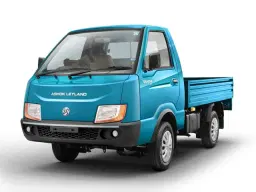
Ashok Leyland Saathi
₹6.50 Lakh Onwards
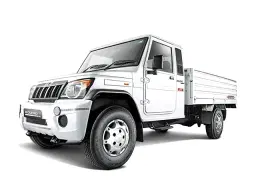
Mahindra Bolero PIK UP FB 1.3T - PS AC
₹10.48 Lakh Onwards
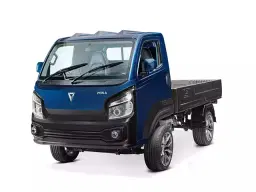
Omega Seiki M1ka
₹15.00 Lakh Onwards
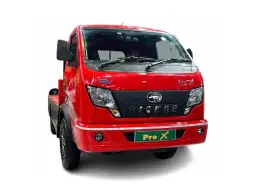
Eicher Pro x
₹17.49 Lakh Onwards
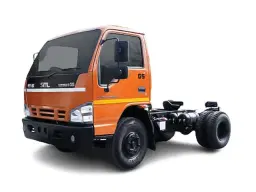
Swaraj Mazda Samrat GS Tipper Chassis
₹21.24 Lakh Onwards
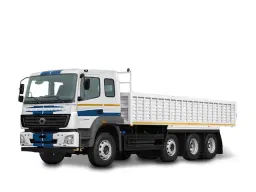
Bharat Benz 3123R
₹40.97 Lakh Onwards
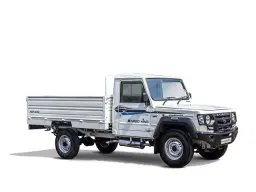
Force Kargo King
₹6.49 Lakh Onwards
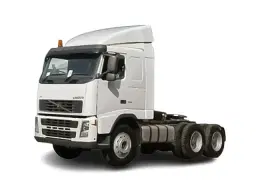
Volvo FM 440 6x4
₹70.00 Lakh Onwards