Auto Rickshaw Insurance Guide 2026: What Every Owner Must Know Before Buying or Renewing
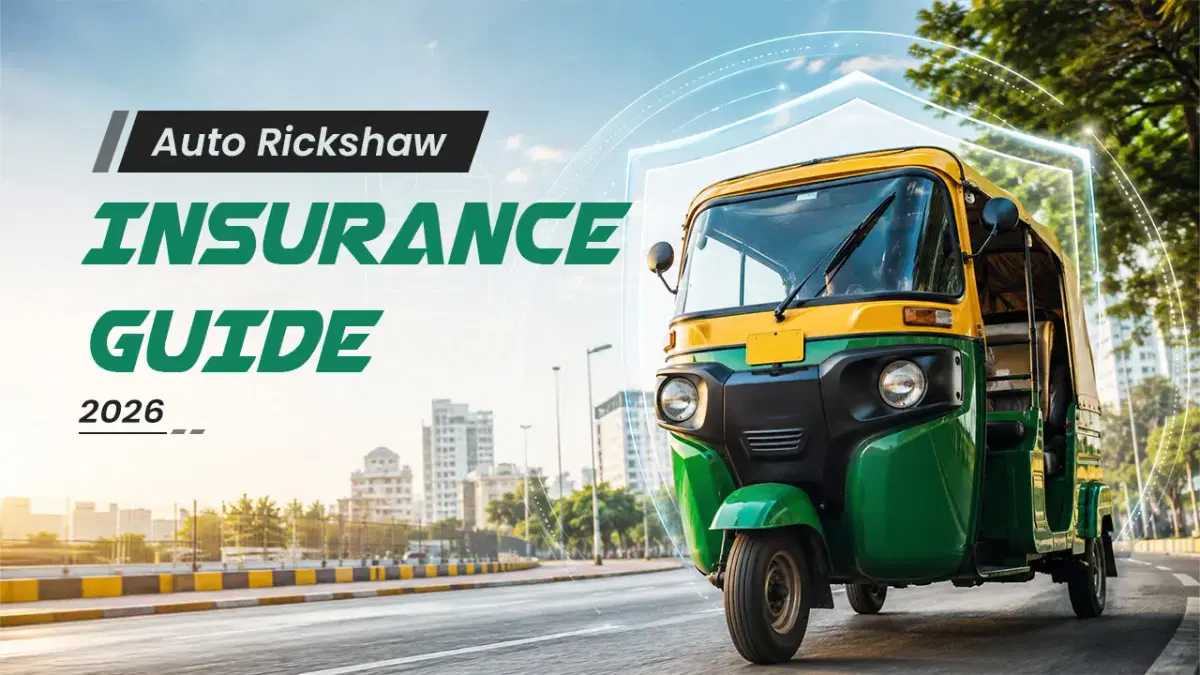
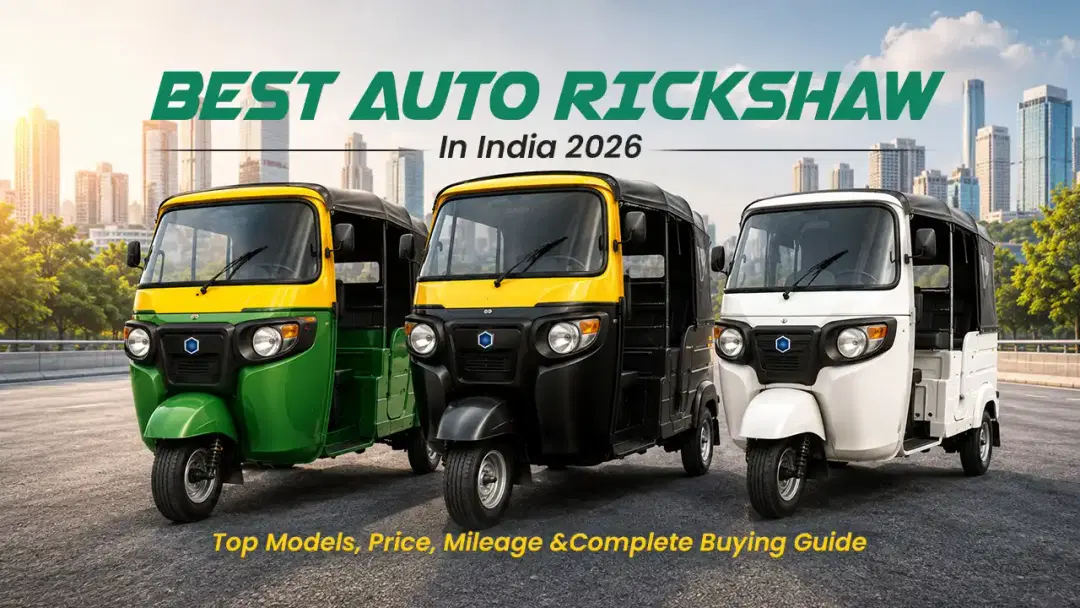
Auto rickshaw insurance in India is not optional paperwork — it is the difference between a driver getting back on the road within days of an accident or losing weeks of income while a claim gets sorted out. Third-party auto rickshaw insurance is legally mandatory for every commercial three-wheeler on Indian roads, and for 2026, annual premiums for a standard CNG or petrol auto rickshaw typically range from ₹4,500 to ₹9,000 for third-party cover, while comprehensive policies usually cost ₹8,000 to ₹16,000 depending on the city, insurer, IDV and vehicle age. With repair costs climbing and workshop labour rates up sharply through 2026, this Auto Rickshaw Insurance Guide 2026 breaks down exactly what coverage makes sense for different kinds of owners.
Why This Matters More in 2026
Dense city traffic, narrow lanes and daily passenger loads mean auto rickshaws are involved in low-speed collisions far more often than private cars — a scraped bumper or a cracked mudguard from a traffic snarl is routine, not rare. Add monsoon flooding in low-lying stretches of most Indian metros, theft risk when vehicles are parked overnight near stands, and the reality that most rickshaw owners run the vehicle for eight to ten hours a day generating direct daily income, and insurance stops being a formality. A rickshaw off the road for a week because of an uninsured or under-insured repair bill is a direct hit to EMI payments and household earnings, which is exactly why this Auto Rickshaw Insurance Guide 2026 treats coverage as a financial decision, not just a legal one.
Auto Rickshaw Insurance Cost: What Actually Decides the Premium
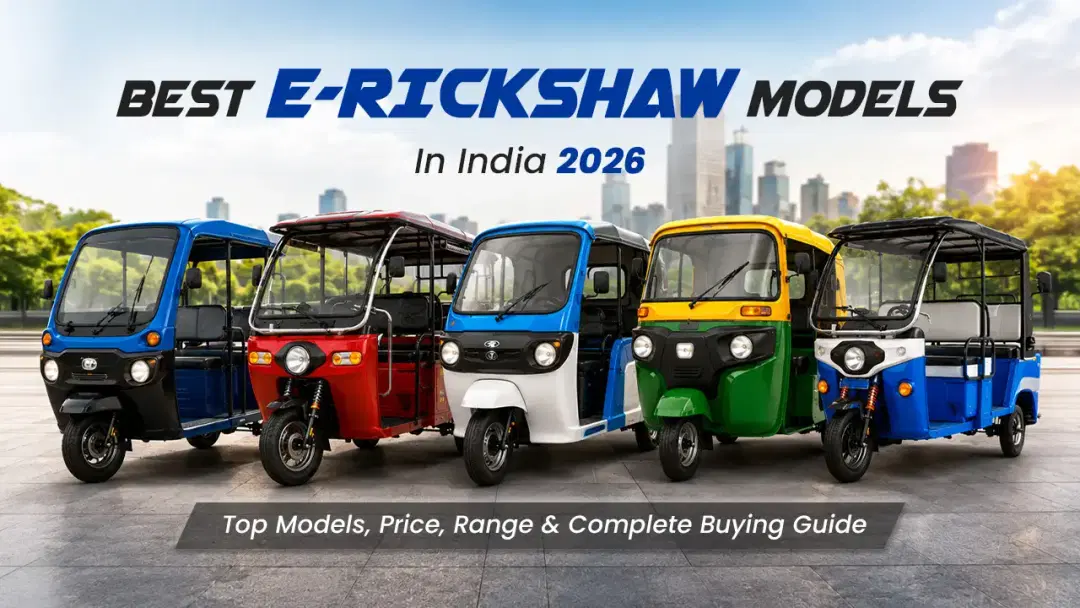
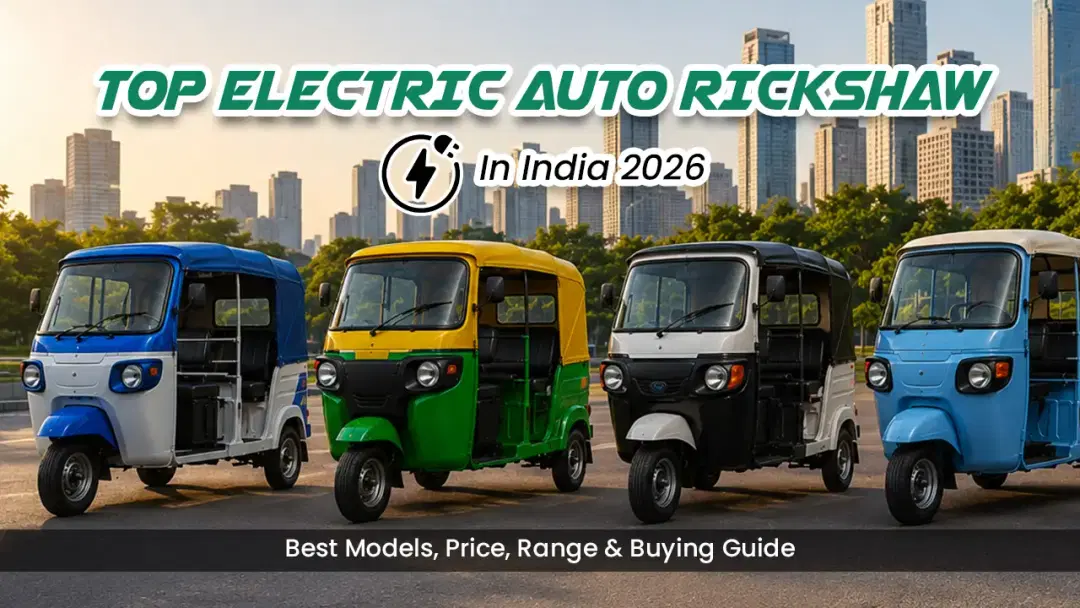
Auto rickshaw insurance cost is not a fixed number — insurers calculate it using the vehicle's Insured Declared Value (IDV), fuel type, registration city, age of the vehicle and whether it is used for passenger or goods carriage. A new petrol or CNG auto rickshaw in India typically carries an on-road price of ₹2.5 lakh to ₹3.3 lakh, and a higher IDV on a newer vehicle naturally pushes the comprehensive premium upward in the first two to three years before it tapers off as the vehicle depreciates. Electric auto rickshaws, which have expanded rapidly through 2026, often carry a lower base on-road price of ₹1.8 lakh to ₹2.6 lakh, but insurers currently price their comprehensive covers slightly differently to account for battery replacement costs — a factor buyers frequently miss when comparing electric auto rickshaw insurance against petrol or CNG options. Anyone financing the vehicle should also know that most lenders will not disburse a loan without at least a valid third-party or comprehensive policy in place, since the insurance protects the asset the loan is secured against.
What Third-Party and Comprehensive Cover Actually Include
Third-party auto rickshaw insurance covers legal liability for injury, death or property damage caused to another person or vehicle — it does not pay for damage to your own rickshaw. Comprehensive auto insurance for rickshaw owners adds own damage cover on top of third-party liability, meaning accident damage, fire, theft and natural calamities like flooding are covered for your own vehicle as well. Most comprehensive policies sold in 2026 also bundle passenger cover, which pays out for injury to fare-paying passengers, and a personal accident cover for the owner-driver, which is a legal requirement of ₹15 lakh cover under most current policy structures. Add-ons worth considering include zero depreciation (which pays full part cost without factoring in wear and tear), roadside assistance for breakdowns in traffic, engine protection cover relevant during monsoon waterlogging, and a consumables cover that pays for nuts, bolts, engine oil and other small items usually excluded from standard claims.
Third-Party vs Comprehensive Auto Rickshaw Insurance: Which One Fits Your Situation
The comparison most owners actually need to make is not about price alone — it is about how the vehicle is used and financed.
A new auto rickshaw buyer on loan almost always needs comprehensive cover since financiers usually insist on it and the vehicle's higher IDV in the first few years makes own damage protection genuinely worthwhile. A used auto rickshaw owner running the vehicle loan-free can often manage with third-party auto rickshaw insurance alone, upgrading to comprehensive only if the vehicle is in good condition and repair costs would otherwise come entirely out of pocket. Electric auto rickshaw buyers should specifically check whether the comprehensive policy accounts for battery and motor replacement, since standard own damage cover on some insurers does not fully extend to high-cost battery packs. Fleet operators running several autos usually find comprehensive cover across the fleet cheaper in the long run because one vehicle sitting idle for repairs directly cuts daily earnings across the operation.
Auto Rickshaw Insurance Renewal: Common Mistakes to Avoid
Auto rickshaw insurance renewal is where many owners lose money or coverage without realising it. Letting a policy lapse even by a few days often means losing the No Claim Bonus (NCB) built up over previous years, and some insurers require a fresh inspection if the lapse crosses 90 days, which delays renewal further. Owners also frequently under-declare the IDV to lower the premium, not realising this directly reduces the claim payout if the vehicle is stolen or declared a total loss. Before renewing, check the claim settlement ratio of the insurer, confirm whether the passenger cover and personal accident cover are still included at renewal (insurers sometimes drop add-ons silently), and compare quotes rather than auto-renewing the same policy every year, since three-wheeler insurance premium India-wide has shown noticeable insurer-to-insurer variation through 2026.
Filing a Claim: What Actually Happens
The claim process typically starts with informing the insurer within 24 to 48 hours of an incident, followed by a survey of the damage either at the accident spot or at a network garage. Cashless claims at network workshops are faster and avoid upfront payment, while reimbursement claims require paying the workshop first and submitting bills afterward. Photographs of the damage, the vehicle's registration and permit documents, and the driver's licence are usually needed at the time of filing, and claims involving passenger injury require additional documentation given the personal accident and passenger cover components. Owners who understand this process before an accident happens, rather than during one, save significant time getting the vehicle back on the road.
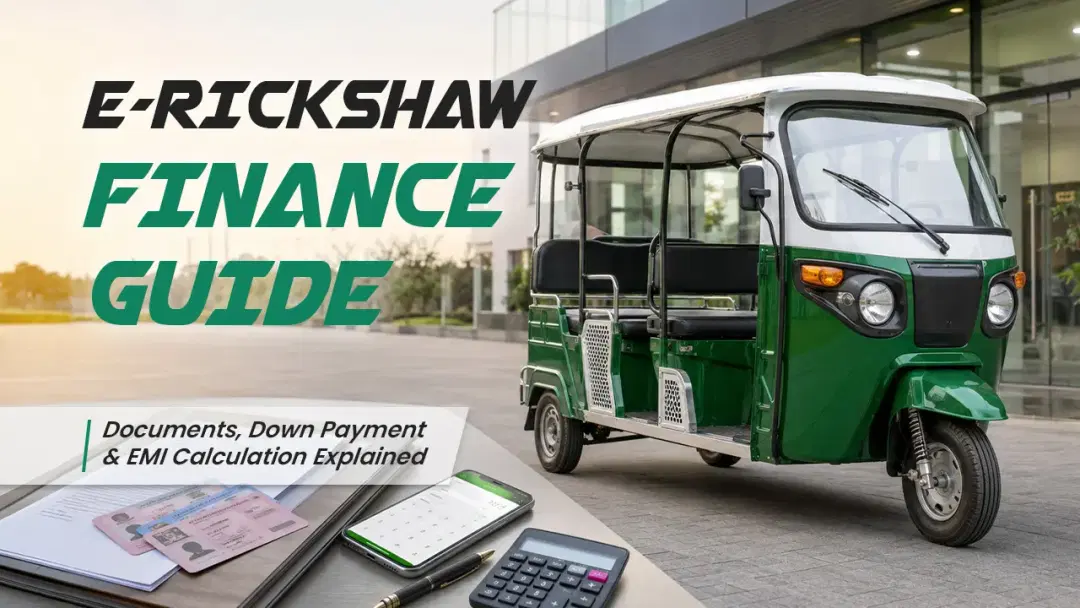
If you are financing a new purchase, buyers researching electric auto rickshaw options or comparing used auto rickshaw loan terms should read Drivio Trucks' dedicated guides on auto rickshaw finance and electric three-wheeler buying before finalising insurance, since loan terms and insurance requirements are closely linked.
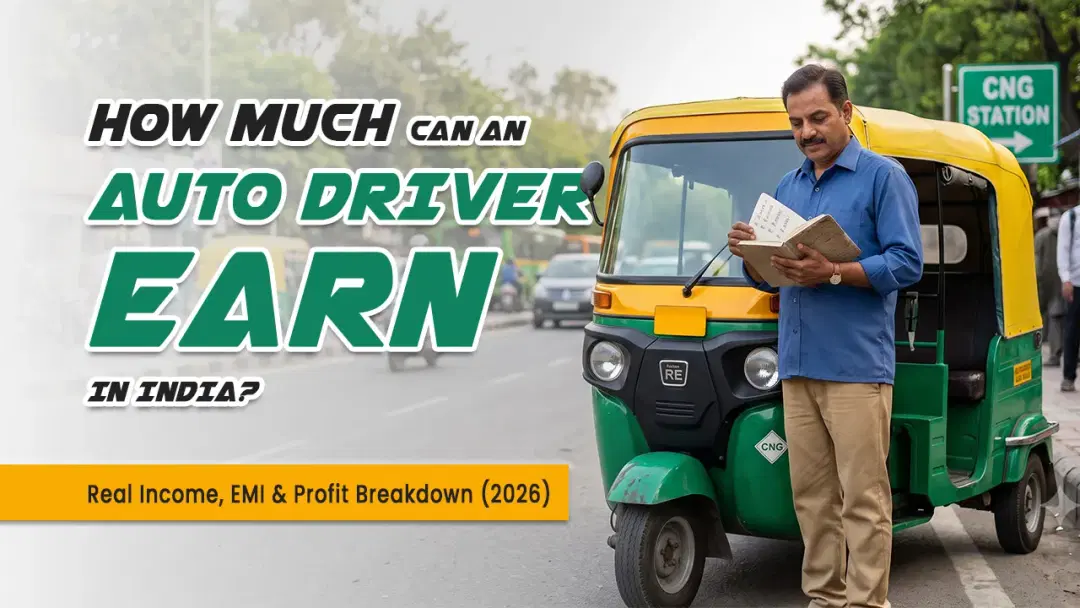
Owners running a single, older auto rickshaw without a loan and working on tight daily margins are usually better served sticking with third-party cover and directing savings toward maintenance, while anyone buying new, financing the vehicle, running an electric model or operating more than one auto rickshaw should treat comprehensive insurance as a cost of doing business rather than an optional extra. Check the on-road price and EMI for the auto rickshaw in your city on Drivio.
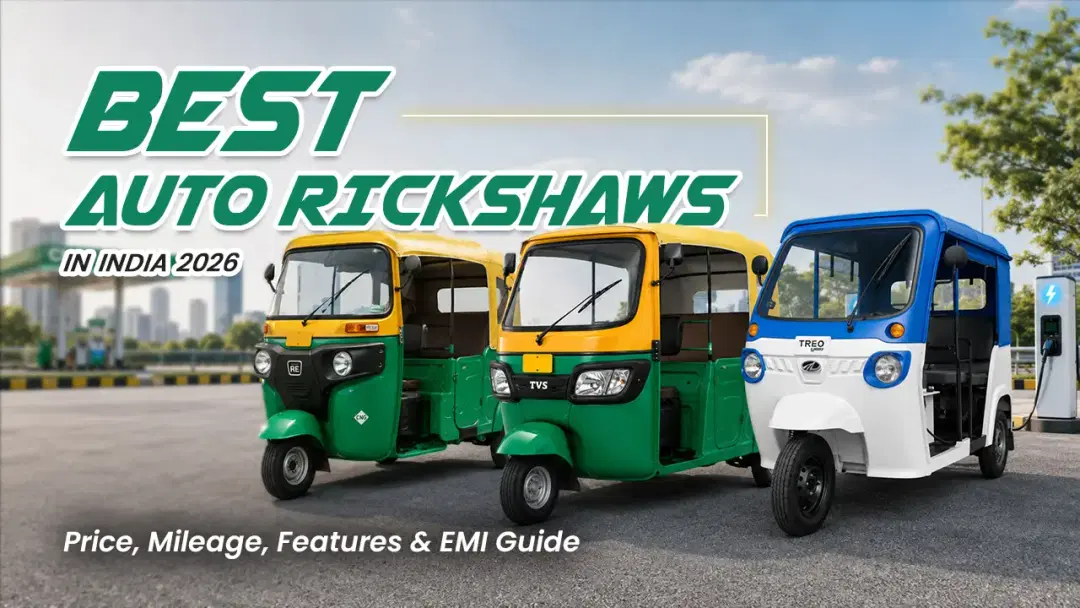
Popular Auto Rickshaws
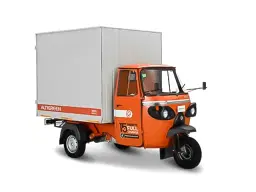
Altigreen neEV TEZ
₹3.55 Lakh Onwards
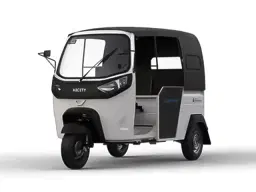
Euler Motors HiCity
₹3.63 Lakh Onwards
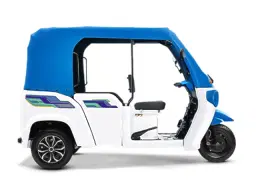
Mahindra Treo plus
Price to be announced
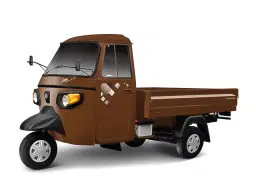
Piaggio Ape Xtra LDX Plus HT
₹2.45 Lakh Onwards
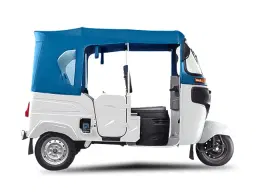
Bajaj Re e-tec 9.0
₹3.76 Lakh Onwards
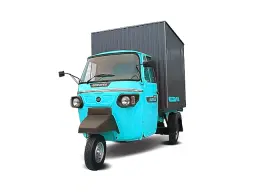
Greaves Mobility ELC 3 Wheeler
₹3.67 Lakh Onwards
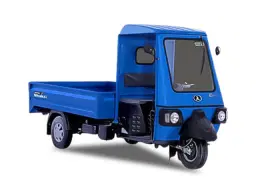
ATUL Gem Cargo 200 Bi Fuel CNG
₹2.65 Lakh Onwards
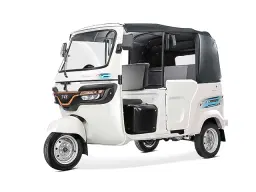
TVS King ev max
₹2.95 Lakh Onwards
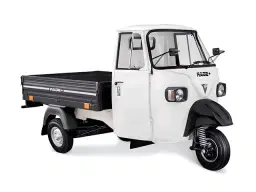
Omega Seiki Rage Plus 125
₹4.09 Lakh Onwards
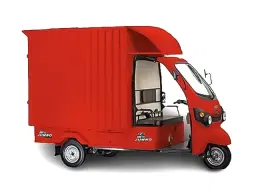
Kinetic Safar Shakti Jumbo
₹3.40 Lakh Onwards