
E-Rickshaw Finance Guide: Documents, Down Payment and EMI Calculation Explained
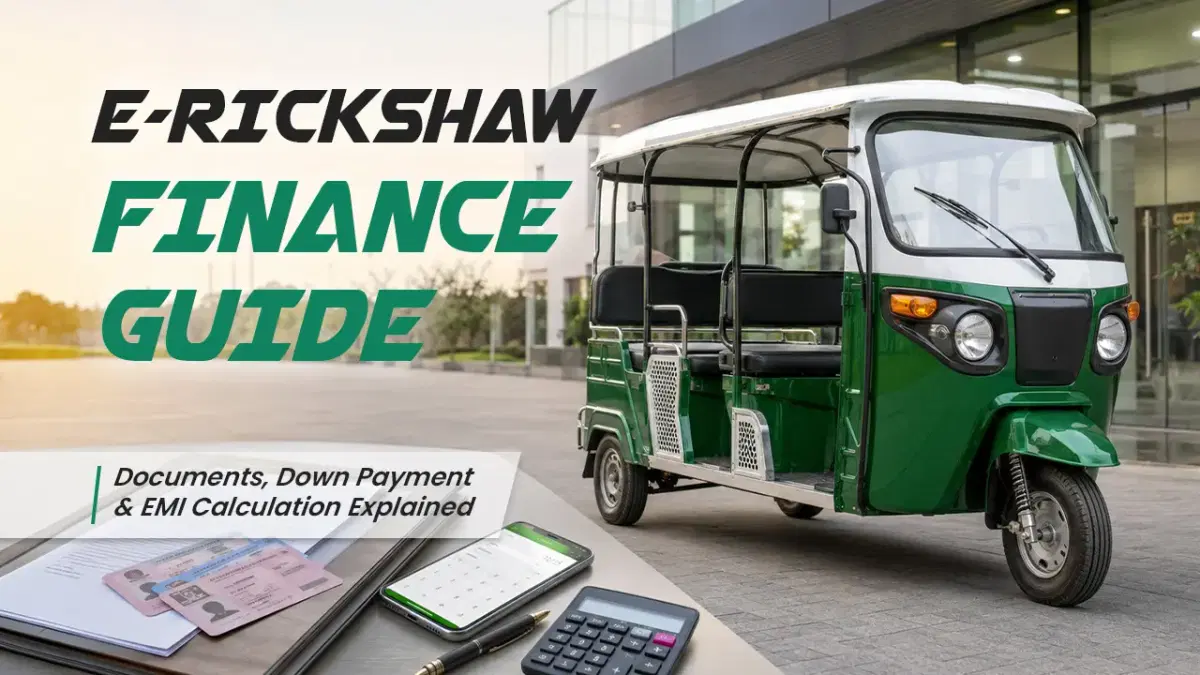
This e-rickshaw finance guide starts with the number that matters most to a first-time buyer: lenders typically cover 70% to 90% of the vehicle's on-road price, which means arranging a down payment of roughly ₹25,000 to ₹90,000 depending on the model chosen. Across India, e-rickshaw prices range from about ₹1.40 lakh to ₹4.50 lakh ex-showroom, and in July 2026, with interest rates and processing fees varying widely between banks, NBFCs and dealer-finance desks, getting the paperwork and EMI math right before signing matters more than ever for owner-drivers working on thin daily margins.
Why This E-Rickshaw Finance Guide Matters for Indian Buyers
Most buyers approach an e-rickshaw purchase with limited savings and a daily income that fluctuates with passenger demand, weather and route conditions. A loan that looks affordable on paper can become a burden if the EMI eats into more than a manageable share of daily earnings. This section of the e-rickshaw finance guide is built around that reality — matching loan structure to actual repayment capacity rather than the lowest advertised monthly figure.
Price and On-Road Cost Context
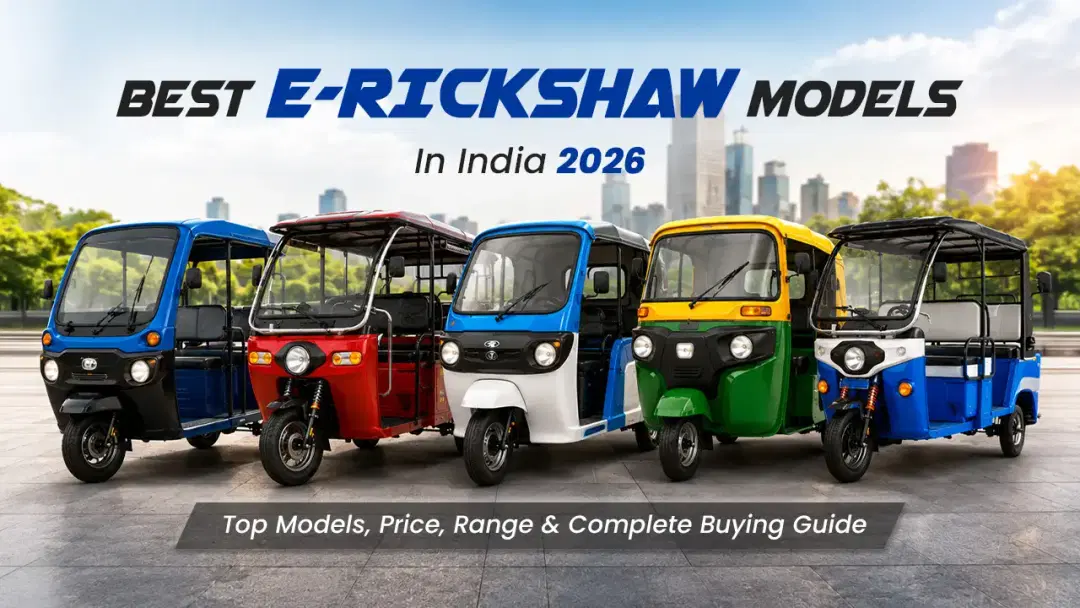
E-rickshaw pricing depends heavily on brand, battery chemistry, registration category and whether the vehicle is built for passengers or cargo. Entry-level lead-acid models sit toward the lower end of the ₹1.40 lakh to ₹4.50 lakh range, while registered electric autos such as the Mahindra Treo or Piaggio Ape E-City cost considerably more due to lithium-ion batteries, stronger build quality and formal registration compliance. On-road price in cities like Delhi adds registration, insurance, permit and handling charges on top of the ex-showroom figure, and these vary by state and dealer. Because state subsidies, battery specifications and vehicle categories differ, no single price applies to every e-rickshaw, and buyers should always confirm the exact on-road figure with the dealer before applying for finance.
Down Payment Expectations
Lenders generally ask for a down payment of 10% to 30% of the on-road price, which on a typical vehicle works out to somewhere between ₹25,000 and ₹90,000. The exact share financed — usually 70% to 90% of vehicle value — depends on the borrower's credit history, banking activity, income stability and the specific lender's policy. No lender guarantees full funding, and buyers with weaker credit profiles or informal income should expect to arrange a larger upfront contribution.
E-Rickshaw Loan Interest Rates and Tenure
Interest rates for e-rickshaw loans in India typically fall between 10% and 24% per annum, with the actual figure shaped by credit profile, whether the vehicle is new or used, tenure length, and whether the lender is a bank, NBFC, dealer partner or fintech. Loan tenures commonly range from 12 to 48 months. It's worth noting that some lenders quote a flat interest rate rather than a reducing-balance rate — a flat rate that looks low on paper can translate into a meaningfully higher effective cost of borrowing once the calculation method is understood, so always ask which method applies before comparing offers.
Documents Required for an E-Rickshaw Loan
The documentation required for an e-rickshaw loan without income proof or with formal salary slips differs, but most lenders ask for a common base set: Aadhaar card, PAN card, passport-size photographs, address proof and a driving licence where applicable. Recent bank statements or UPI transaction history are used to assess repayment capacity, particularly for self-employed applicants. Lenders may additionally request a vehicle quotation or proforma invoice, co-applicant or guarantor documents, details of existing loans, and — depending on the state and vehicle category — a commercial driving licence, badge or permit. Requirements differ noticeably between banks, NBFCs, dealer-finance partners and local lenders, so it's worth confirming the exact checklist before visiting a dealership.
Eligibility for Salaried, Self-Employed and First-Time Buyers
Commercial vehicle loan eligibility for e-rickshaw finance depends on age, residence stability, bank account activity, credit score, existing EMI obligations and daily or monthly income. Salaried applicants generally find approval easier with payslips and formal bank credits, while self-employed operators and first-time commercial vehicle buyers may need to show consistent UPI collections or business transactions instead. A strong co-applicant can improve approval odds meaningfully. Applicants without formal income proof aren't automatically approved — lenders weigh alternative evidence such as bank credit patterns or a guarantor's profile before deciding.
E-Rickshaw EMI Calculation With Down Payment
Monthly EMI is calculated using the standard formula EMI = P × R × (1 + R)^N ÷ ((1 + R)^N – 1), where P is the principal loan amount, R is the monthly interest rate (annual rate divided by 12 and by 100), and N is the number of monthly instalments. On an illustrative e-rickshaw priced at ₹3,00,000 on-road, here's how the numbers shift with different down payments and tenures at 14% per annum:
These figures are illustrative and will vary by actual lender rate and calculation method. Notice that stretching the loan from 36 to 48 months lowers the monthly EMI by roughly ₹1,640 but increases the total interest paid over the life of the loan — a trade-off worth weighing rather than defaulting to the longest available tenure.
Charges Beyond the EMI
Borrowers often focus only on the EMI figure and overlook processing fees, documentation or stamp charges, insurance premiums, hypothecation charges, late-payment penalties, and loan foreclosure or prepayment charges. Some lenders also bundle GPS tracking or loan-protection products into the package. The habit worth building is comparing the total repayment amount across offers, not just the advertised monthly instalment, since two loans with similar EMIs can differ substantially in overall cost.
Matching EMI to Daily Earning Potential
An owner-driver running an e-rickshaw might earn approximately ₹1,200 to ₹2,000 gross per day, depending on city, route, passenger demand and working hours. After deducting charging costs, parking and route expenses, maintenance, insurance provision, a battery-replacement reserve, and driver salary if the owner isn't driving personally, the real disposable income available for EMI repayment is considerably lower than the gross figure suggests. An EMI should stay comfortable even on slow days, during repairs, monsoon disruption or unexpected battery downtime — not just on an average-earning day.
Lead-Acid Versus Lithium-Ion Financing
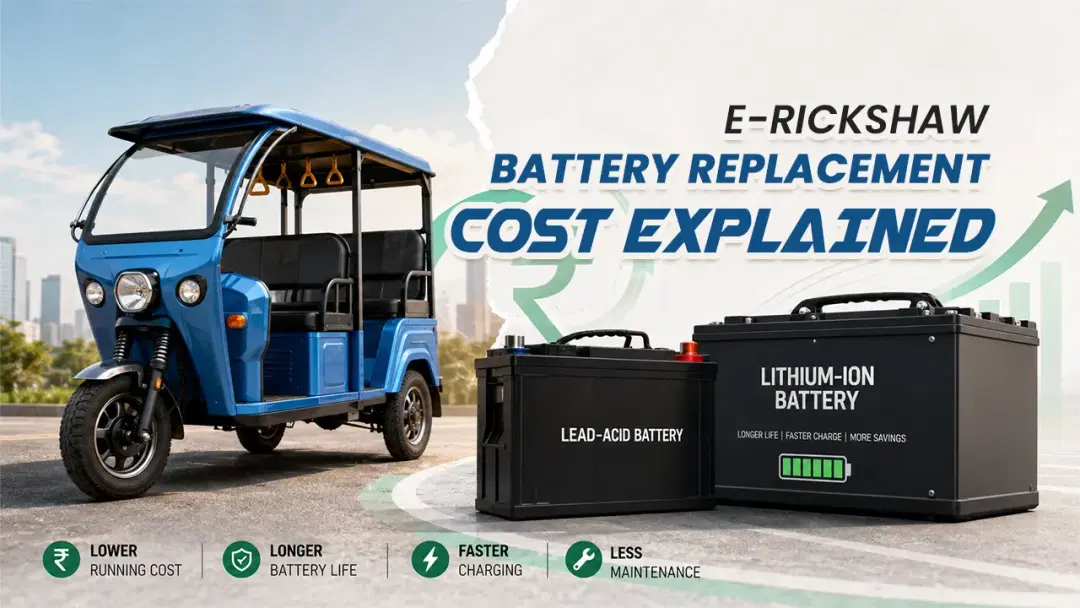
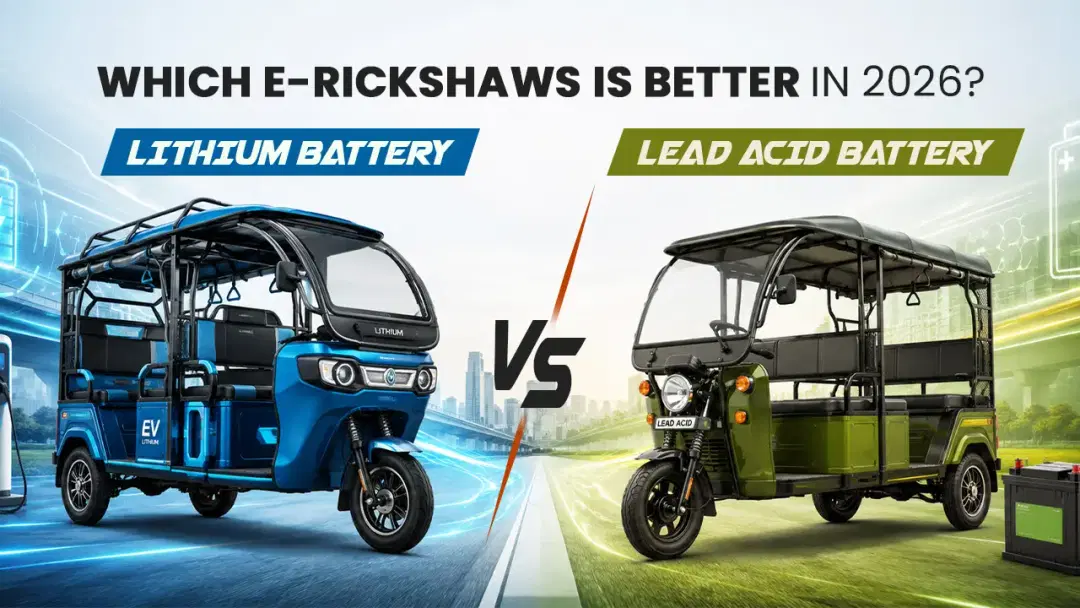
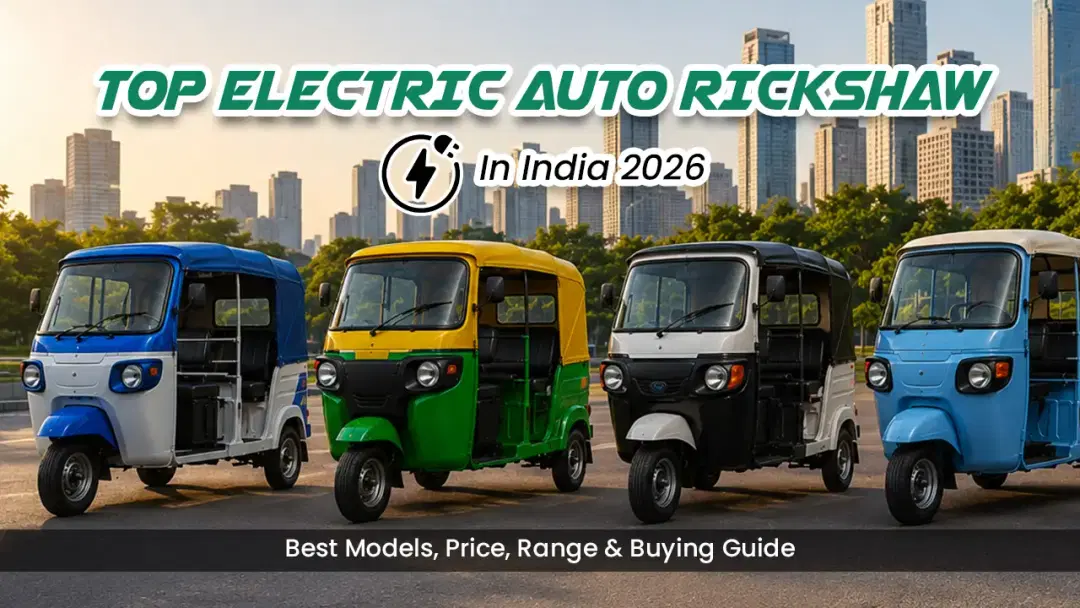
Lower-priced lead-acid e-rickshaws keep the initial loan amount smaller and the EMI lighter, but lithium-ion models and branded registered electric autos — including options profiled in Drivio's roundup of the Best Electric Auto Rickshaws in India — tend to offer faster charging and lower ongoing maintenance, which can make lenders more comfortable extending credit. Neither battery type guarantees dramatic long-term savings, and buyers should evaluate total cost of ownership rather than upfront price alone.
Bank, NBFC and Dealer Finance Compared
Banks typically offer lower interest rates but slower approval and stricter documentation. NBFCs and dealer-arranged finance often move faster and accept more flexible income proof, usually at a higher rate or processing fee. Local or informal lenders may promise quick disbursal but frequently carry unclear repayment terms and hidden charges. Regulated lenders with a transparent written loan agreement remain the safer route, even when the headline rate looks less attractive than an informal offer.
Most owner-drivers are better served arranging at least 20% down payment and choosing a tenure that keeps the EMI comfortable during low-income weeks rather than chasing the smallest possible monthly figure — total repayment matters more than a low headline EMI. If your credit history or income documentation is still developing, it's often worth a few months of preparation before applying rather than accepting a high-rate offer out of urgency. Check the on-road price and EMI for the e-rickshaw in your city on Drivio.
Popular Auto Rickshaws
Altigreen neEV TEZ
₹3.55 Lakh Onwards
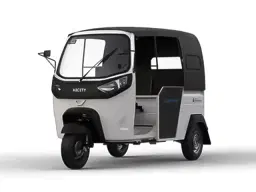
Euler Motors HiCity
₹3.63 Lakh Onwards
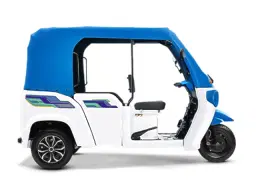
Mahindra Treo plus
Price to be announced
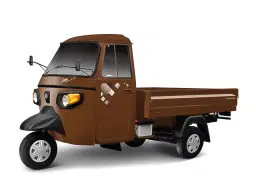
Piaggio Ape Xtra LDX Plus HT
₹2.45 Lakh Onwards
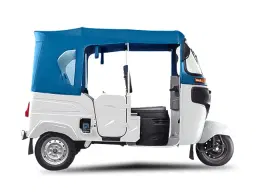
Bajaj Re e-tec 9.0
₹3.76 Lakh Onwards
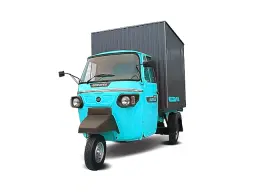
Greaves Mobility ELC 3 Wheeler
₹3.67 Lakh Onwards
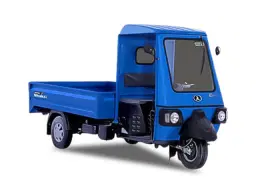
ATUL Gem Cargo 200 Bi Fuel CNG
₹2.65 Lakh Onwards
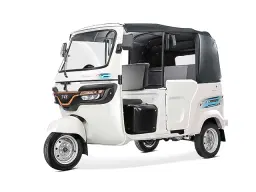
TVS King ev max
₹2.95 Lakh Onwards
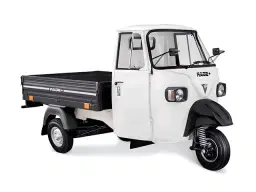
Omega Seiki Rage Plus 125
₹4.09 Lakh Onwards
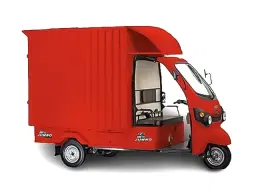
Kinetic Safar Shakti Jumbo
₹3.40 Lakh Onwards