
How Much Can an Auto Driver Earn in India? Real Income, EMI & Profit Breakdown (2026)
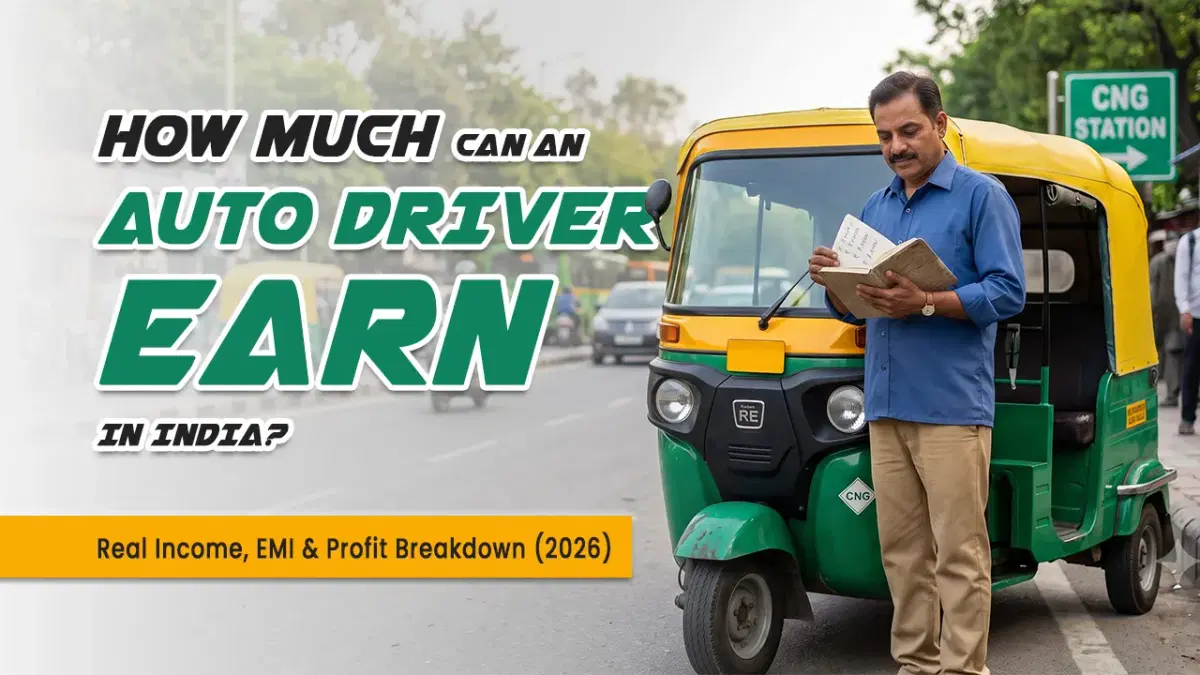
Auto driver earnings in India currently range between ₹1,200 and ₹1,800 in daily gross collection, translating to a monthly gross of ₹31,000 to ₹47,000 and a realistic net take-home of ₹18,000 to ₹27,000 once fuel, maintenance, permit and EMI costs are subtracted. That gap between gross and net is where most first-time buyers get their expectations wrong, and it is exactly why anyone planning to enter the auto rickshaw business in July 2026 needs real numbers before signing a loan.
Auto Driver Monthly Income in India: What the Numbers Actually Show
Understanding auto driver earnings in India properly means separating what a driver collects from what a driver keeps, since almost every income claim floating around ignores the second half.
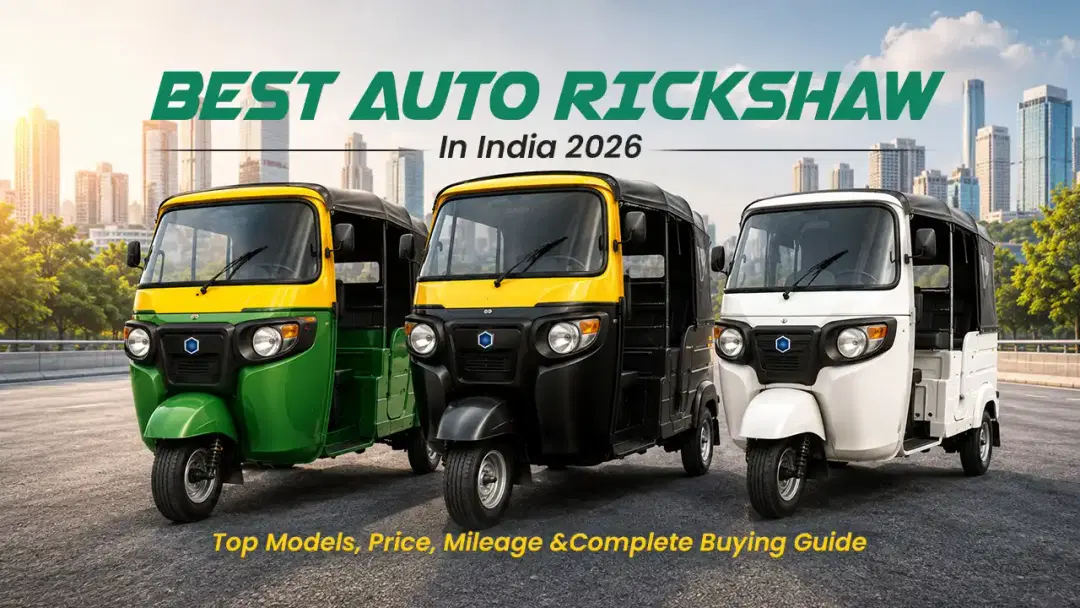
A city-based CNG auto typically runs 70 to 90 km a day across 25 to 27 working days a month, picking up local stand fares, app-based bookings, school runs and short office-route trips. At an average fare realisation of ₹1,400 a day, that works out to a monthly gross of roughly ₹36,000, before a single rupee of running cost is deducted. This is the figure most drivers quote when asked what they earn, and it is also the figure that misleads first-time buyers into overestimating profitability.
The real story sits in what gets deducted every month. CNG at Delhi's current rate of ₹83 per kg, against a mileage of 25 km/kg, costs an owner-driver covering 80 km daily around ₹266 a day, or ₹6,900 a month. Add routine maintenance of ₹2,500 a month, permit and insurance amortised at roughly ₹800 a month, and an auto rickshaw loan EMI of about ₹4,350 a month on a ₹2 lakh loan, and net monthly income settles at ₹21,000 to ₹22,000 for a reasonably utilised owner-driven CNG auto. Drivers running longer hours on airport, railway or high-demand office corridors can push this closer to ₹27,000, while low-utilisation routes in slower Tier-2 markets can bring it down to ₹18,000.
Owner-Driver Versus Rental-Driver Income
Whether the driver owns the vehicle changes the earnings picture substantially. An owner-driver carries the EMI but keeps the full margin once the loan is repaid, building an asset with resale value. A rental driver skips the EMI and loan paperwork entirely but pays the owner a daily rent of roughly ₹300 to ₹400, which adds up to ₹9,000 to ₹10,000 a month, and never builds equity in the vehicle.
Owner-drivers earn more on paper and end up owning the vehicle outright after the loan term, which is why most drivers who plan to stay in the business for three years or longer eventually move toward ownership rather than renting long-term.
CNG Auto Rickshaw Earning Versus Electric Auto Income
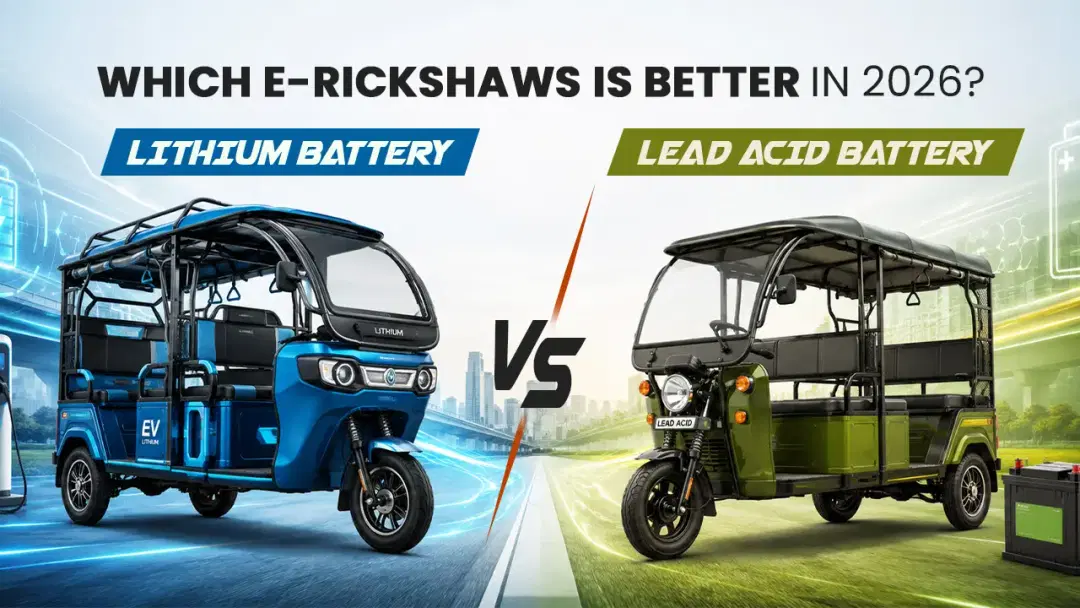
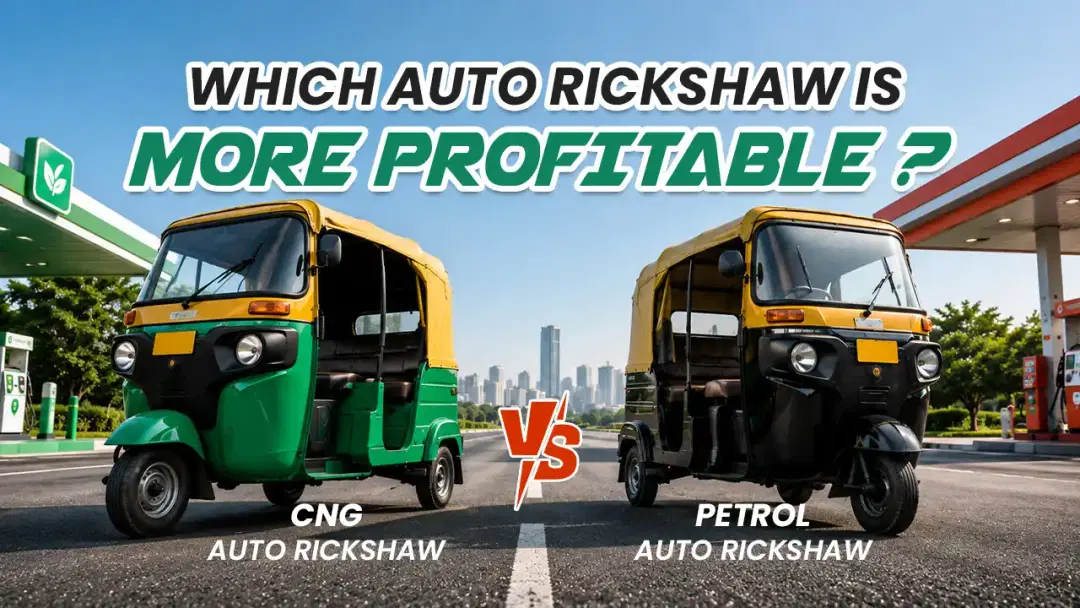
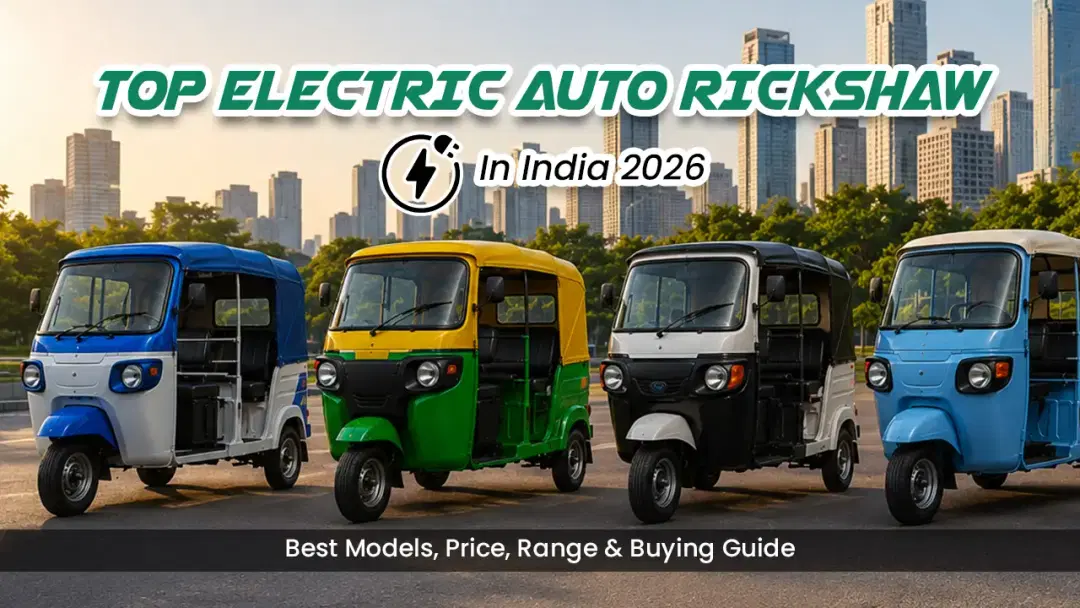
The comparison that matters most for anyone buying in 2026 is CNG versus electric. A new CNG auto rickshaw costs ₹2.1 lakh to ₹3.5 lakh ex-showroom, with an on-road Delhi price typically landing around ₹2.5 lakh once registration and insurance are added. An electric auto rickshaw with a comparable passenger-carrying capacity costs ₹1.2 lakh to ₹3.5 lakh ex-showroom, with mid-range lithium-ion models running closer to ₹1.8 lakh to ₹2 lakh on-road.
The running cost gap is where electric autos pull ahead. Charging an EV auto for an 80 km daily run costs roughly ₹160 a day, or about ₹4,160 a month, against ₹6,900 a month for CNG. Maintenance is lighter too, since there is no engine, clutch or gearbox to service, bringing electric auto rickshaw earning potential to a net of ₹26,000 to ₹32,000 a month on a similar EMI structure of around ₹3,400 a month for an EV loan. The trade-off is charging downtime, which matters more on longer routes and in cities without reliable charging infrastructure. Anyone weighing this decision should look at Drivio Trucks' electric auto rickshaw comparison and the auto rickshaw loan guide before committing to a fuel type.
City, Route and App-Booking Impact on Auto Rickshaw Income Per Day
Location changes the math meaningfully. Delhi and Mumbai drivers working railway stations, metro feeder routes or airport zones consistently report higher auto rickshaw income per day because passenger volume and fare acceptance are higher. Bengaluru and Hyderabad drivers leaning on app-based bookings often see steadier daily fares but lose a commission cut, typically 10 to 20 percent, to the platform. Pune and most Tier-2 cities sit somewhere in between, with strong school-contract and office-route income during peak hours but thinner midday demand. Traffic congestion, waiting time at stands, and police or permit checks all eat into effective working hours, which is why two drivers on paper-identical autos in the same city can report very different monthly numbers.
Who Should Buy New, Who Should Consider Used, and What Auto Rickshaw Business Profit Looks Like in 2026
A driver planning to work six days a week on a high-footfall city route, particularly near a railway station, airport or busy office corridor, is better served buying new and financing it, since the higher daily utilisation justifies the EMI outflow within the first year. A driver testing the business part-time, or operating in a low-density Tier-2 market, is better off with a well-maintained used CNG auto, where the lower upfront cost keeps auto rickshaw business profit positive even at modest daily earnings. School and office contract drivers, who lock in guaranteed monthly income on top of regular passenger runs, tend to report the most predictable net income of any category.
Auto driving remains a genuinely profitable business in India in 2026, and auto driver earnings in India continue to hold up well for anyone who treats it as a numbers game rather than a guess. The owner-driver working long hours on a high-demand city route still earns the most, the EV operator with low running costs comes a close second on net margin, and the rental driver trades lower earnings for zero loan risk. Anyone weighing this decision should check the on-road price and EMI for the auto rickshaw in their city on Drivio.
Popular Auto Rickshaws
Altigreen neEV TEZ
₹3.55 Lakh Onwards
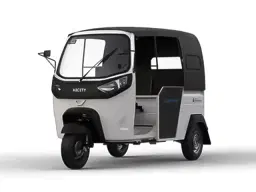
Euler Motors HiCity
₹3.63 Lakh Onwards
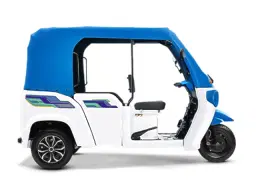
Mahindra Treo plus
Price to be announced
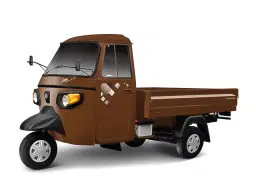
Piaggio Ape Xtra LDX Plus HT
₹2.45 Lakh Onwards
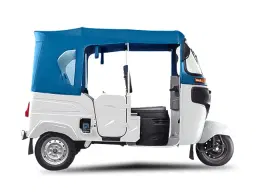
Bajaj Re e-tec 9.0
₹3.76 Lakh Onwards
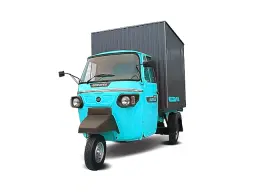
Greaves Mobility ELC 3 Wheeler
₹3.67 Lakh Onwards
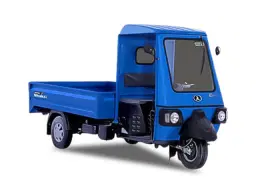
ATUL Gem Cargo 200 Bi Fuel CNG
₹2.65 Lakh Onwards
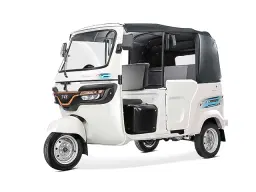
TVS King ev max
₹2.95 Lakh Onwards
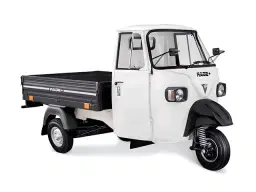
Omega Seiki Rage Plus 125
₹4.09 Lakh Onwards
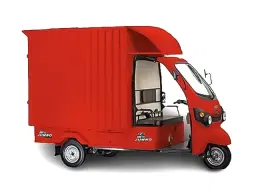
Kinetic Safar Shakti Jumbo
₹3.40 Lakh Onwards