
Electric Truck vs Diesel Truck Cost Comparison: What a 5-Year Ownership Cycle Actually Costs a Delivery Operator in India
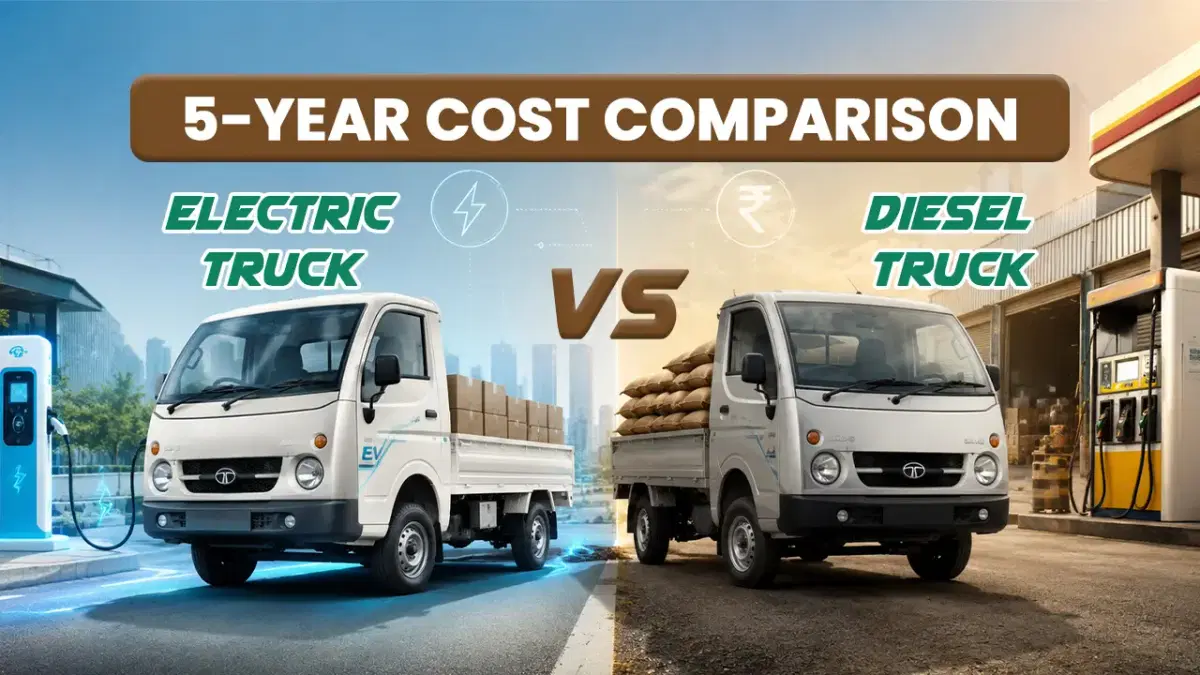
Electric truck vs diesel truck cost comparison numbers rarely tell the full story until you run them against a real Indian delivery route. For a small commercial vehicle doing city cargo work, the upfront price gap between an electric mini truck and a diesel mini truck can be as wide as ₹5 lakh, but that gap narrows — and sometimes flips — once fuel, maintenance, and resale are added over five years. This matters right now, in July 2026, as diesel prices sit close to ₹95/litre in most metros and commercial electricity tariffs hover between ₹8 and ₹12/unit, pushing fleet owners and first-time buyers to actually run the math instead of guessing.
Electric Truck vs Diesel Truck: The Two Vehicles Compared
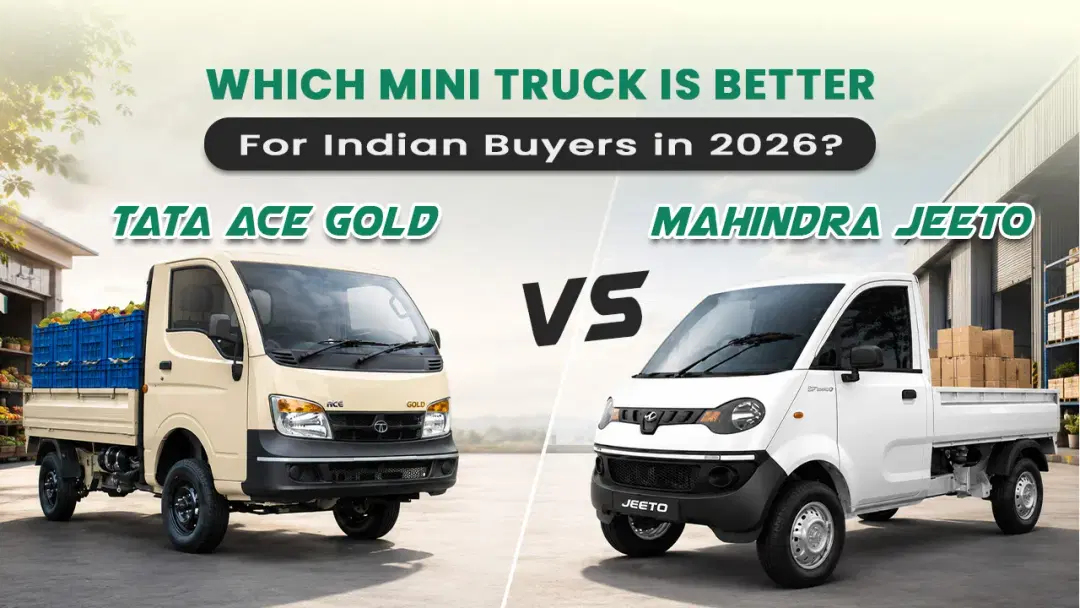
For this comparison, we're using the Tata Ace EV and the Tata Ace Gold Diesel — both last-mile delivery mini trucks that compete for the same customer: FMCG distributors, e-commerce operators, milk and grocery suppliers, and small transport businesses running fixed city routes.
The Tata Ace EV runs a 21.3kWh LFP battery paired with a 27kW, 130Nm motor, delivering a certified range of 154km per charge with a 600kg payload. It's priced from ₹10.51 lakh ex-showroom, and Tata backs the battery with a 7-year/1.75 lakh km warranty. The Tata Ace Gold Diesel uses a 700cc, 2-cylinder turbocharged diesel engine producing around 22HP and 55Nm in Power mode, with a payload of roughly 750kg and a starting ex-showroom price near ₹5.5 lakh. Both are built on the same familiar Ace platform, which keeps this an apples-to-apples comparison rather than a mismatch of vehicle classes.
Diesel Truck Ownership Cost: Fuel and Maintenance Add Up Fast
Diesel truck ownership cost starts low on paper but climbs steadily once you're running daily routes. Assuming a realistic 80km per day on city delivery runs — about 2,000km a month — the Ace Gold Diesel returns roughly 20kmpl in stop-go traffic, which works out to ₹4.75 per km in fuel alone at ₹95/litre. That's close to ₹9,500 a month just on diesel, before servicing, oil changes, and clutch or brake wear that comes with a mechanical drivetrain doing constant short trips. Over five years, expect maintenance to run around ₹1.5 lakh, driven by engine oil intervals, filter replacements, and the general wear of a combustion powertrain under stop-and-go conditions.
Electric Truck Running Cost in India: Where the Savings Actually Show Up
Electric truck running cost in India looks very different because there's no engine, no gearbox in the traditional sense, and far fewer parts that wear out. The Ace EV's 21.3kWh battery converts to roughly 0.138kWh per km, which at ₹9/unit commercial electricity works out to about ₹1.24 per km — not the flat ₹1/km some brochures advertise, but still a fraction of diesel's per-km cost. On the same 2,000km monthly running, that's close to ₹2,480 a month in electricity, against fuel maintenance costs that stay under ₹60,000 over five years thanks to regenerative braking and a sealed motor unit. The trade-off is charging discipline: this math only holds if the vehicle has predictable overnight or midday charging access, since 154km of range needs planning on longer or unpredictable routes.
Commercial Vehicle EMI and 5-Year Truck Cost Calculation
Assuming a standard 20% down payment, 60-month tenure, and 11% interest rate — the typical structure most NBFCs and banks offer on small commercial vehicles — the numbers separate quickly. On an on-road price near ₹6.3 lakh for the diesel Ace Gold, the EMI comes to roughly ₹10,950 a month. On an on-road price near ₹11.5 lakh for the Ace EV, expect an EMI closer to ₹20,000 a month. That EMI gap is the single biggest reason diesel still dominates first-time buyer sales — the entry cost is simply lower, even if the running economics favour the electric truck over time.
EV Truck vs Diesel Truck: What the 5-Year Number Actually Means
Once resale value, insurance, and battery risk are folded in, the 5-year truck cost calculation puts both vehicles within roughly ₹20,000 of each other — closer than most EV marketing suggests, and closer than most diesel loyalists expect. The Ace EV's battery warranty comfortably covers the 1.2 lakh km a typical 5-year, 2,000km/month operator would clock, so battery replacement risk stays low within this ownership window. Diesel resale remains more predictable simply because the used commercial vehicle market in India is still overwhelmingly diesel-literate, while EV resale values are less established and should be treated as an expected range rather than a fixed number.
The Verdict for Indian Fleet Buyers
An electric truck vs diesel truck cost comparison built on fixed city routes, fewer than 100km of daily running, and dependable charging access — a depot, a shop, or a home connection — tips toward the Ace EV. The lower per-km cost and reduced maintenance compound meaningfully over five years, and drivers consistently report less fatigue from the clutch-free, low-vibration cabin on long delivery shifts. But if your routes change often, if charging infrastructure in your city or locality is still unreliable, or if payload flexibility and quick refuelling matter more than long-term savings, the Ace Gold Diesel remains the safer, more liquid choice — it's also worth cross-checking against options like the Mahindra Zor Grand or other diesel and CNG picks in Drivio's best small commercial vehicles roundup before committing. Whichever way the math leans for your route, check the on-road price and EMI for the Tata Ace EV or Tata Ace Gold Diesel in your city on Drivio.


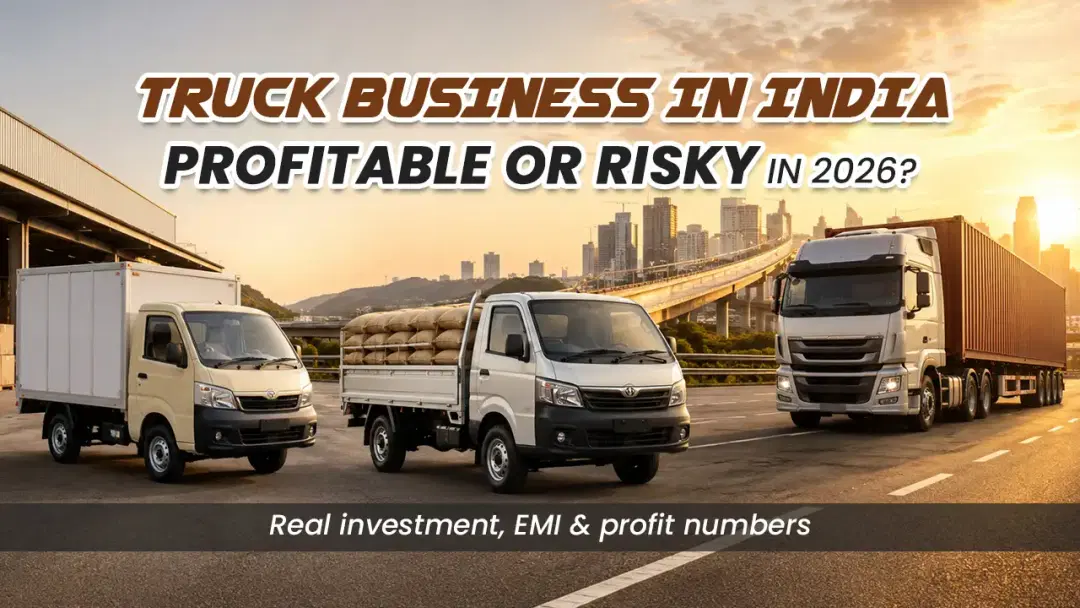
Popular Trucks
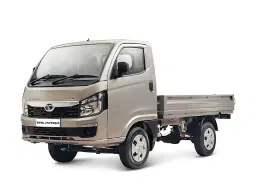
Tata Intra v10
₹7.28 Lakh Onwards
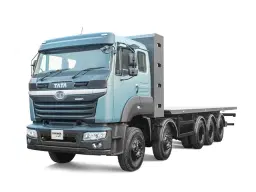
Tata Prima 35.K Auto Shift
Price to be announced
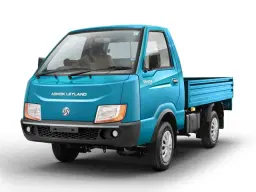
Ashok Leyland Saathi
₹6.50 Lakh Onwards
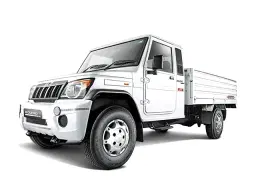
Mahindra Bolero PIK UP FB 1.3T - PS AC
₹10.48 Lakh Onwards
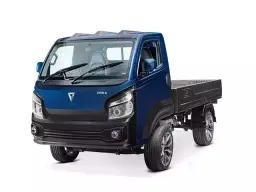
Omega Seiki M1ka
₹15.00 Lakh Onwards
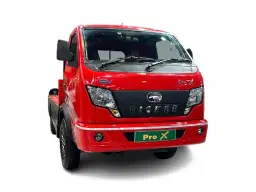
Eicher Pro x
₹17.49 Lakh Onwards
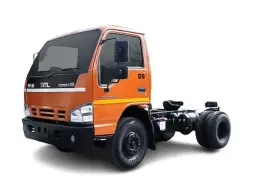
Swaraj Mazda Samrat GS Tipper Chassis
₹21.24 Lakh Onwards
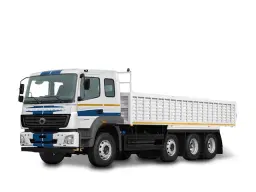
Bharat Benz 3123R
₹40.97 Lakh Onwards
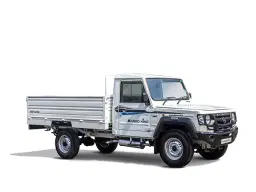
Force Kargo King
₹6.49 Lakh Onwards
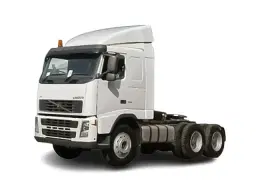
Volvo FM 440 6x4
₹70.00 Lakh Onwards