
Minimum Down Payment Required for Truck Finance in India
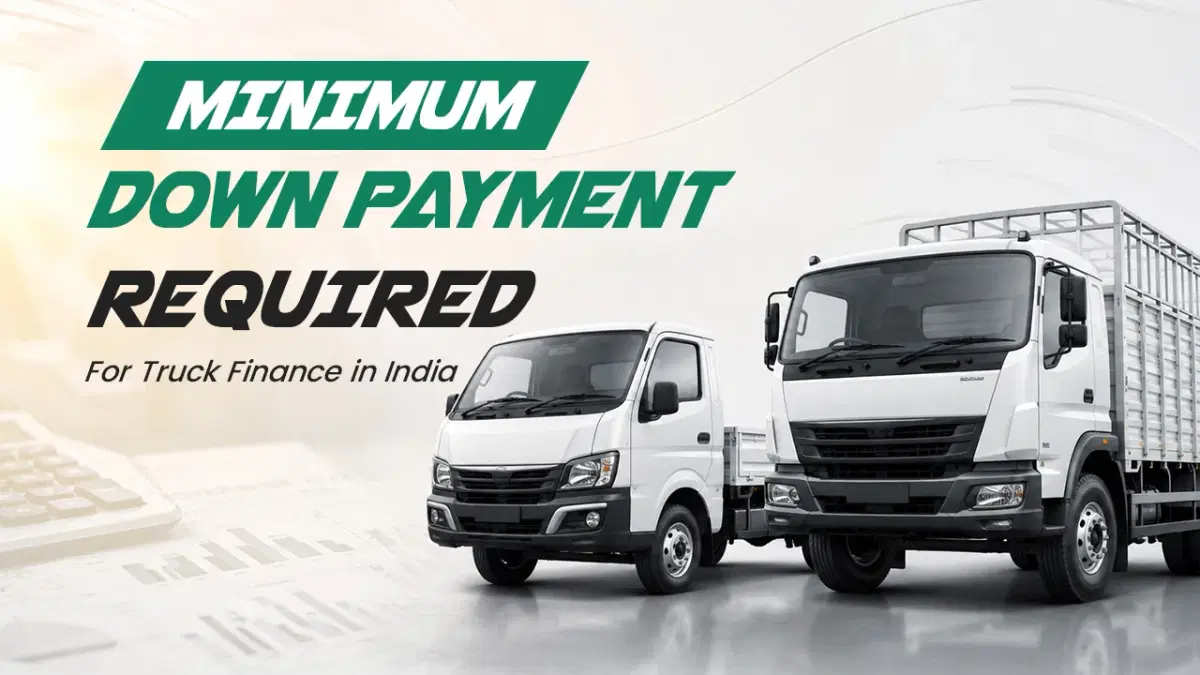
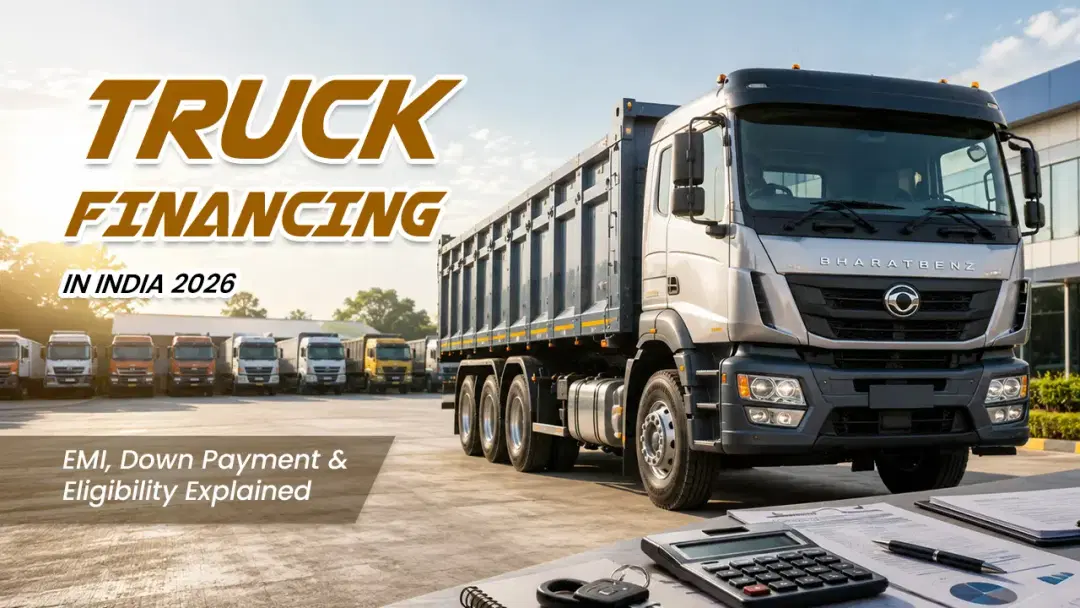
The minimum down payment required for truck finance in India usually starts from 10% to 25% of the vehicle's ex-showroom price, though the exact figure shifts with borrower profile, truck type, lender policy and even the city of purchase. A small commercial vehicle like the Tata Ace, priced around ₹5 lakh to ₹7 lakh, might need a down payment of just ₹50,000 to ₹1 lakh, while a 16-ton truck in the ₹25 lakh to ₹35 lakh bracket demands a far heavier upfront commitment. Paying less upfront lets a transporter put the truck on the road and start earning sooner, but it also stretches the loan amount and pushes the EMI higher for years.
What Is the Minimum Down Payment Required for Truck Finance in India?
Most banks and NBFCs structure commercial vehicle loans around a loan-to-value, or LTV, ratio rather than a fixed rupee figure. For a new truck with a strong borrower profile, several lenders are willing to fund 80% to 90% of the on-road price, which brings the down payment down to roughly 10% to 20%. Weaker documentation, a first-time borrower with no transport history, or a heavier vehicle segment can push that requirement up toward 25%. Truck finance in India is rarely a one-size-fits-all number, and the figure quoted on a lender's website is usually the best-case scenario rather than the guaranteed outcome for every applicant.
New Truck vs Used Truck: How the Down Payment Differs
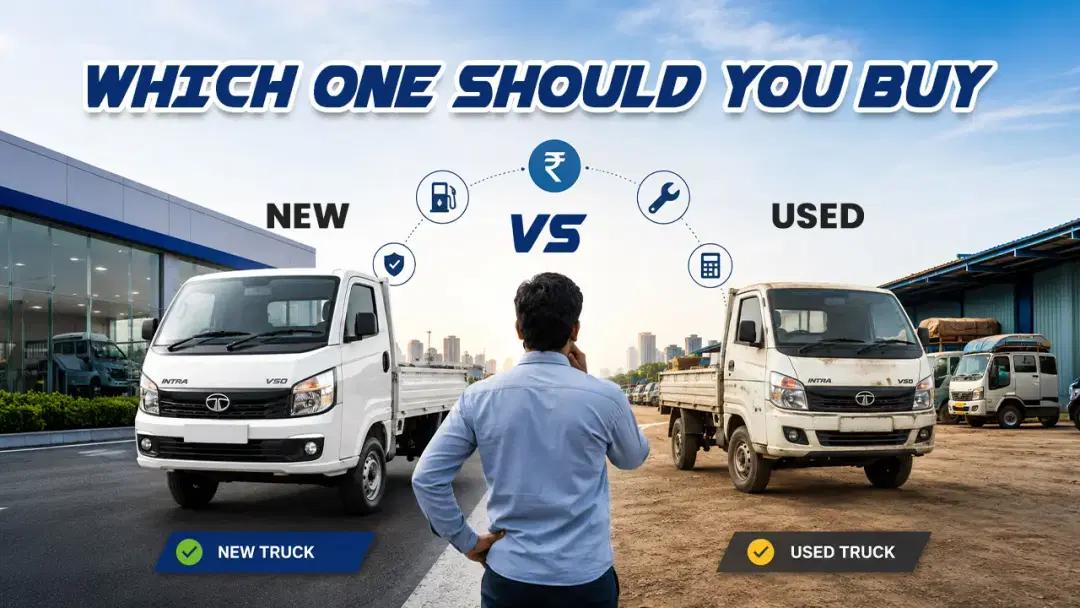
A new truck loan and a used truck finance application are evaluated very differently, and the gap shows up directly in the upfront amount. New vehicles come with a manufacturer's invoice and a predictable resale curve, so lenders are comfortable extending up to 90% of the price, keeping the minimum down payment required for truck finance closer to the lower end of the range. Used trucks carry depreciation risk, uncertain maintenance history and, in many cases, an unclear ownership trail, which is why financiers typically ask for 25% to 40% upfront on an older vehicle. A five-year-old truck bought from a private seller will almost always need a heavier down payment than the same model bought new from a dealership, even if the asking price looks similar on paper.
How Vehicle Price Changes the Upfront Amount
The down payment percentage does not stay flat across vehicle categories, and the absolute rupee amount changes sharply with segment. Small commercial vehicles in the Tata Ace mould generally sit at 10% to 20% down, pickup and light truck options such as the Tata Intra V50, priced around ₹9 lakh to ₹11 lakh, move into the 15% to 25% band, and medium to heavy trucks in the ₹25 lakh to ₹35 lakh range are usually financed at 20% to 30% down. None of these figures account for the on-road price, which always runs higher than the ex-showroom number once insurance, registration, road tax, body-building charges, FASTag and permit costs are added in. A truck priced at ₹10 lakh ex-showroom may cost approximately ₹11 lakh to ₹12 lakh on-road in Delhi or Mumbai, and the down payment is calculated against that higher figure, not the sticker price.
Why Banks and NBFCs Ask for Different Down Payments
Every lender prices risk differently, and that is the simplest explanation for why two banks can quote different numbers for the same truck. A public sector bank with a conservative credit policy may insist on a higher commercial vehicle loan down payment, while an NBFC chasing fleet-expansion business might offer a leaner upfront requirement to a transporter with a strong repayment history. Vehicle type matters too: a tipper or tanker used in mining or construction is viewed as higher-risk collateral than a standard load-carrying truck plying fixed routes, so the down payment expectation rises accordingly. Existing relationships also count for something, since a borrower who has closed two or three previous commercial vehicle loans cleanly will usually get a friendlier down payment than someone walking in with no track record at all.
Documents and Borrower Profile That Decide Your Down Payment
The number a lender finally quotes comes down to a handful of borrower-level factors rather than the truck alone. A CIBIL score above 700, clean income proof or bank statements showing consistent transport earnings, and a stable route or business history all work in the borrower's favour and can push the down payment closer to 10%. Existing loan obligations, irregular cash flow, or a brand-new business with no operating history tend to do the opposite, nudging the lender toward the higher end of commercial vehicle loan eligibility checks. New vs used truck status, the specific vehicle model, and whether the applicant is an individual owner-driver or a registered fleet operator all factor into the final number as well, so two applicants buying the identical truck can still get two very different quotes.
How a Low Down Payment Affects Your Truck Loan EMI
A lower upfront payment is attractive because it frees up working capital, but it comes at a direct cost through the truck loan EMI. The lower the down payment, the higher the loan amount, and the higher the loan amount, the more a borrower pays every month and over the life of the loan in interest. Consider a truck priced at ₹30 lakh on-road: a 30% down payment of ₹9 lakh leaves a ₹21 lakh loan, while a 15% down payment of ₹4.5 lakh pushes the loan up to ₹25.5 lakh, raising the EMI noticeably even at the same tenure and rate.
Actual interest rates, tenure and final approval always depend on the lender, the borrower's profile and the documentation submitted, so these figures are indicative rather than a guaranteed quote. Genuinely zero down payment offers do exist in the market, but they are typically promotional, limited to a handful of lenders, and reserved for borrowers with an exceptionally strong profile rather than something every applicant can expect.
Who Should Choose a Low Down Payment, and Who Should Pay More Upfront
As of June 2026, with diesel hovering around ₹95 a litre and permit and toll costs adding to the monthly running bill, the down payment decision is really a cash-flow decision dressed up as a finance question. A transporter expanding a fleet, or one who needs the truck earning immediately to cover route commitments, is often better off protecting working capital with a lower down payment, even if it means a slightly heavier EMI for a few years. A buyer who already has healthy reserves, fewer existing obligations, and a preference for lower interest outgo over the loan tenure should lean toward a higher upfront payment, since it shrinks the loan amount and the total interest paid by the end of the term. Either way, the numbers above are only a starting point. Check the on-road price and EMI for the truck in your city on Drivio before signing anything with a lender.
Popular Trucks
Tata Intra v10
₹7.28 Lakh Onwards
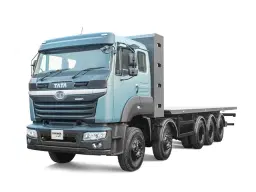
Tata Prima 35.K Auto Shift
Price to be announced
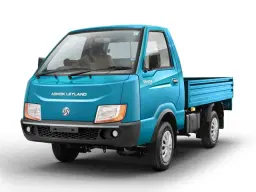
Ashok Leyland Saathi
₹6.50 Lakh Onwards
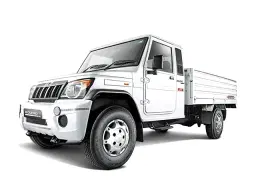
Mahindra Bolero PIK UP FB 1.3T - PS AC
₹10.48 Lakh Onwards
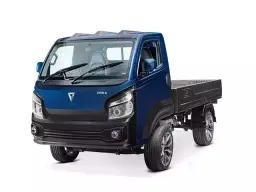
Omega Seiki M1ka
₹15.00 Lakh Onwards
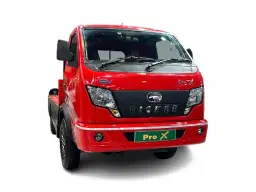
Eicher Pro x
₹17.49 Lakh Onwards
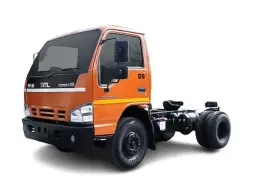
Swaraj Mazda Samrat GS Tipper Chassis
₹21.24 Lakh Onwards
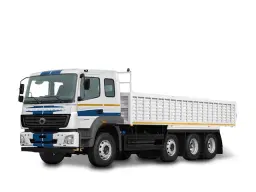
Bharat Benz 3123R
₹40.97 Lakh Onwards
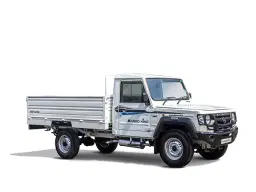
Force Kargo King
₹6.49 Lakh Onwards
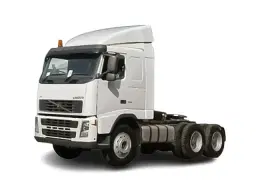
Volvo FM 440 6x4
₹70.00 Lakh Onwards