
Tata Ace Gold Loan 2026
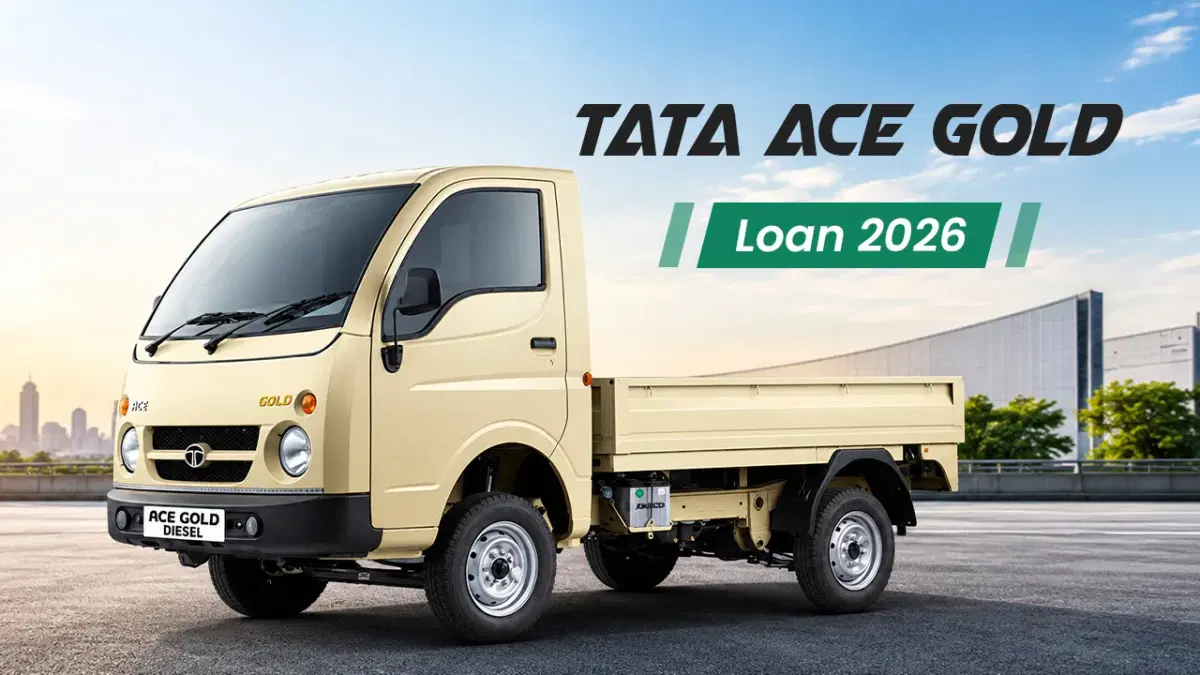
Yes, a Tata Ace Gold can generally be financed through a commercial vehicle loan, subject to lender policy and credit assessment. The amount financed depends on the purchase price or valuation, down payment, applicant profile, vehicle category and tenure.
This 2026 guide explains the purchase budget, illustrative EMI, eligibility, documents and operating checks relevant to Indian buyers considering a compact mini truck. It is designed for vehicle research and finance planning, not as a promise of approval or a lender quotation.
Quick Answer
Use Rs 4.50 lakh to Rs 6.69 lakh ex-showroom in New Delhi as the current reference. The EMI examples assume 12 percent per annum on a reducing balance and show 20, 25 and 30 percent down-payment scenarios over three, four and five years. Actual lender pricing can be different.
Vehicle Overview
The Ace Gold range covers petrol, diesel and CNG choices for last-mile goods movement. Variant selection changes payload, fuel tank and purchase price, so buyers should finance the exact fuel and body configuration shown in the quotation.
The finance decision should start with a specific variant and written quotation. Model-family prices can be misleading when a base chassis, factory body, air-conditioning, battery size or seating configuration changes the amount payable.
How Much Does the Tata Ace Gold Cost in 2026
The current price position used for this article is Rs 4.50 lakh to Rs 6.69 lakh ex-showroom in New Delhi. This price snapshot was reviewed on 17 September 2026. Ex-showroom price excludes several on-road costs and can differ by city, variant, dealer, tax treatment and optional equipment.
For EMI comparison, the worked example uses a purchase budget of Rs 5.99 lakh. It does not claim that every buyer will receive that ex-showroom or on-road price.
Key Specifications
| Specification | Current reference |
|---|---|
| Fuel options | Petrol, diesel and CNG |
| Engine | Approximately 694 to 800 cc, variant dependent |
| Power | Up to 22.21 kW in listed 694 cc versions |
| Payload | About 615 to 900 kg, variant and body dependent |
| GVW | Approximately 1,615 to 1,835 kg |
| Wheelbase | 2,100 or 2,250 mm |
| Use | Urban and semi-urban last-mile cargo |
Specifications can change by variant and model year. The dealer quotation, current manufacturer brochure and registration category should be checked together before a finance application is finalised.
Who Should Consider a Tata Ace Gold
Typical buyers include first-time owner-drivers, neighbourhood distributors, small retailers, dairy operators and businesses that need a compact four-wheel cargo vehicle. Suitability depends on route, lawful carrying capacity, daily utilisation and the availability of service or charging support.
Business Use Cases
Common applications include grocery and FMCG distribution, milk and water-can delivery, fruit and vegetable movement, parcel work, small retail replenishment and short-distance agricultural transport. Before purchase, turn the proposed use into a route plan: kilometres per day, trips per day, realistic load or occupancy, billing cycle, empty-return distance and weekly downtime.
For contract work, check whether the agreement fixes a minimum number of trips or merely offers work when available. For open-market work, model conservative demand and delayed customer payments. A vehicle can be operationally suitable yet financially uncomfortable if the EMI assumes full utilisation from the first month.
How Tata Ace Gold Financing Usually Works
A Tata Ace Gold loan is generally structured as commercial vehicle finance. The lender pays the sanctioned amount toward the purchase, the buyer contributes the down payment and related upfront costs, and the vehicle remains hypothecated to the lender until the loan is closed.
The sanctioned amount is rarely decided by price alone. Lenders also assess the applicant's banking pattern, credit history, existing EMIs, business continuity, route or customer contracts, expected cash generation and the resale profile of the vehicle. A first-time owner may be asked for stronger proof of income, a co-applicant or a higher contribution.
How Much Down Payment May Be Required
There is no single down-payment percentage for every borrower. A buyer may plan around 20 to 30 percent for comparison, but the actual contribution can be higher or lower after the lender evaluates the vehicle, applicant and eligible on-road components. Registration, insurance, permits, accessories and body fabrication may not all receive the same funding treatment.
A higher down payment reduces principal and EMI, but it also uses cash that the business may need for fuel, charging, driver wages, maintenance, permits and the first weeks of operation. The practical choice is the smallest loan that still leaves an adequate working-capital buffer.
Who Is Generally Eligible for Financing
Eligibility is lender-specific. Common applicants include owner-drivers, self-employed individuals, small traders, transport contractors, logistics operators, farmers, proprietorships, partnerships and registered companies. The applicant normally needs to meet the lender's age, residence, business-vintage and repayment-capacity rules.
Approval becomes more likely when bank credits support the stated business, existing repayments are regular, documents match, and the vehicle's proposed work is credible. Recent cheque returns, overdue loans, frequent unsecured borrowing, unexplained cash deposits or an unrealistic earnings estimate can weaken the application. None of these factors creates a guaranteed result; the lender makes the final credit decision.
Documents Generally Required
A lender normally checks identity, address, repayment capacity and the vehicle being financed. Requirements differ for salaried applicants, self-employed applicants, proprietorships, partnerships and companies.
- PAN and an accepted identity document such as Aadhaar, voter ID, passport or driving licence
- Current address proof and recent photographs
- Bank statements, commonly for the latest six to twelve months
- Income proof such as salary slips, income-tax returns, GST returns or audited financial statements where applicable
- Business proof, registration records, route or trade details and existing fleet information where relevant
- Dealer quotation or pro-forma invoice for a new vehicle
- Registration certificate, insurance, valuation and ownership-chain documents for a used vehicle
- Any co-applicant, guarantor or additional security documents requested after credit assessment
Illustrative EMI Calculation
The table uses a Rs 5.99 lakh purchase budget, a 12 percent annual reducing-balance rate and no processing fee or financed insurance. It is intended only to compare how contribution and tenure change the monthly repayment.
| Down payment | Upfront amount | Loan amount | Tenure | Illustrative EMI |
|---|---|---|---|---|
| 20% | Rs 119,800 | Rs 479,200 | 3 years | Rs 15,916 |
| 20% | Rs 119,800 | Rs 479,200 | 4 years | Rs 12,619 |
| 20% | Rs 119,800 | Rs 479,200 | 5 years | Rs 10,660 |
| 25% | Rs 149,750 | Rs 449,250 | 3 years | Rs 14,922 |
| 25% | Rs 149,750 | Rs 449,250 | 4 years | Rs 11,830 |
| 25% | Rs 149,750 | Rs 449,250 | 5 years | Rs 9,993 |
| 30% | Rs 179,700 | Rs 419,300 | 3 years | Rs 13,927 |
| 30% | Rs 179,700 | Rs 419,300 | 4 years | Rs 11,042 |
| 30% | Rs 179,700 | Rs 419,300 | 5 years | Rs 9,327 |
These figures are examples, not a loan offer. The final EMI can change with the sanctioned loan amount, lender rate, processing fee, insurance, registration, borrower profile and repayment schedule.
Operating and Ownership Costs
Fuel is normally the largest variable cost, but a purchase decision should also include scheduled service, tyres, insurance, registration, permits, tolls, washing, parking, driver cost and an allowance for unexpected repairs. Claimed mileage is not the same as route mileage; payload, traffic, idling, road gradient, tyre pressure and driving style can change consumption.
Plan maintenance from the manufacturer's service schedule and obtain current part and labour estimates from the local authorised workshop. A slightly higher purchase price may be reasonable if the chosen variant materially improves payload utilisation, uptime or driver comfort on the actual route, but the calculation should use expected trips rather than promotional claims.
Route Economics and Break-Even Check
Before financing the Tata Ace Gold, calculate the contribution from one normal working day rather than relying on headline revenue. Start with expected collections, then subtract fuel or electricity, driver or helper cost, tolls, parking, loading charges, marketplace commission and a maintenance allowance. Multiply the balance by conservative working days, not all calendar days. The amount left must cover EMI, insurance accrual, permit renewals, taxes and the owner's withdrawal while still leaving a reserve.
Stress-test the plan for a weak month. Reduce trips or occupancy, add a few downtime days and use a realistic empty-return distance. If the revised cash flow cannot cover the proposed EMI, consider a larger down payment, a lower-cost variant, a longer but still economical tenure, or a different route. A longer tenure lowers the monthly instalment but increases total interest and keeps the vehicle under hypothecation for longer.
How to Prepare a Stronger Finance File
Build the application around evidence that connects the Tata Ace Gold to a workable business. Keep the dealer quotation, route note, customer or aggregator agreement where available, recent bank statements and existing loan schedules consistent with the figures declared in the form. Explain unusual credits, seasonal income or a recent business change instead of leaving the lender to infer the reason. Do not inflate projected revenue merely to fit a desired loan amount.
Review credit reports for incorrect personal details, unknown enquiries and overdue entries before applying. Clear small genuine arrears where possible and retain proof. Avoid submitting many applications at once because repeated enquiries can complicate assessment. If a co-applicant or guarantor is proposed, that person should understand the repayment obligation and provide documents voluntarily. A complete file can reduce avoidable back-and-forth, but it never guarantees sanction.
Checks Before Delivery and the First EMI
Do not treat sanction as the final step. Before taking delivery, match the invoice and financed variant to the approval letter and verify the following items in writing.
- Sanctioned amount, borrower contribution, disbursement conditions and every upfront charge
- Final invoice, chassis and engine or motor identifiers, body type, accessories and applicable charger
- Insurance cover, registration category, hypothecation entry, permits and tax receipts relevant to the intended work
- Repayment start date, EMI debit mandate, instalment amount, lender contact channel and foreclosure terms
- Pre-delivery inspection, warranty records, service schedule and a safe reserve for the first operating month
Relevant Alternatives to Compare
A useful comparison starts with the work to be done, not with the brand name. Compare the same payload or passenger class, body type, fuel or battery configuration and service area before comparing EMI.
| Option | Reason to compare |
|---|---|
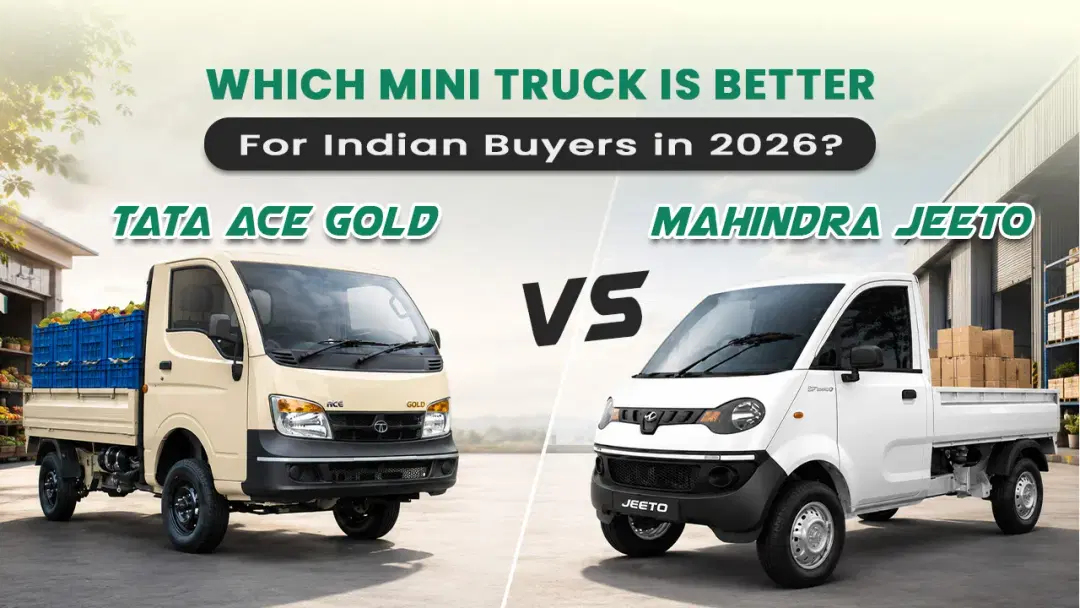
| Mahindra Jeeto | Lower-price compact alternative with several fuel choices |
| Maruti Suzuki Super Carry | City cargo option with petrol and CNG availability |
| Mahindra Supro Profit Truck Mini | Larger mini-truck option for buyers needing more cargo room |
The alternative with the lowest purchase price may not produce the lowest operating cost. Use route distance, achievable utilisation, maintenance access, payload discipline and expected resale value in the final decision.
What to Check Before Buying
- Match payload or passenger capacity to the legal and practical requirement of the route
- Obtain a written quotation that separates ex-showroom price, registration, insurance, accessories and body work
- Confirm service coverage, spare-part availability, warranty conditions and expected maintenance intervals
- Test manoeuvrability, cabin comfort, loading height and gradeability on conditions similar to the intended route
- Estimate monthly trips, conservative revenue, downtime and operating cost before deciding the affordable EMI
What to Check Before Choosing the Loan
Compare the annual interest rate, whether it is fixed or variable, reducing-balance calculation, processing fee, documentation charges, insurance requirement, advance EMI, security deposit, foreclosure conditions, late-payment charges and total repayment. A low EMI created by a longer tenure can increase total interest.
Ask the lender to show a repayment schedule and the exact amount due before delivery. Confirm which on-road components are financed and which must be paid from savings. If income is seasonal, discuss whether the standard monthly schedule fits the business instead of assuming that future peak months will cover a tight EMI.
Why Financing Can Preserve Working Capital
Financing can let a buyer put the Tata Ace Gold into service without paying the entire purchase price at once. The benefit is strongest when the retained cash has a defined purpose, such as inventory, fuel, charging setup, driver wages, permits or an emergency reserve. Financing is less useful when the EMI depends on optimistic revenue or leaves no buffer for repairs and low-demand periods.
Explore Financing Options
Planning to finance a Tata Ace Gold in 2026? Use the current dealer quotation, choose a realistic down payment and estimate EMI against conservative monthly business cash flow. You can then explore commercial vehicle financing with Drivio and check the documents generally required before submitting an enquiry. Approval, rate and tenure remain subject to lender assessment.

Popular Trucks
Tata Intra v10
₹7.28 Lakh Onwards
Tata Prima 35.K Auto Shift
Price to be announced
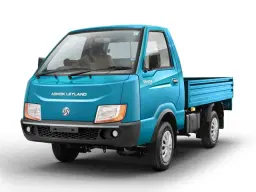
Ashok Leyland Saathi
₹6.50 Lakh Onwards
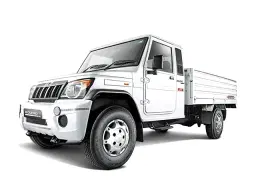
Mahindra Bolero PIK UP FB 1.3T - PS AC
₹10.48 Lakh Onwards
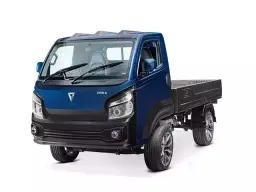
Omega Seiki M1ka
₹15.00 Lakh Onwards
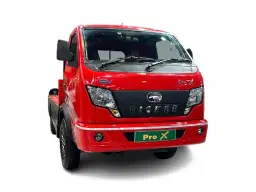
Eicher Pro x
₹17.49 Lakh Onwards
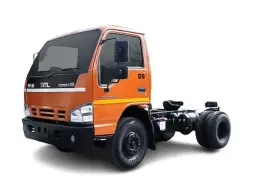
Swaraj Mazda Samrat GS Tipper Chassis
₹21.24 Lakh Onwards
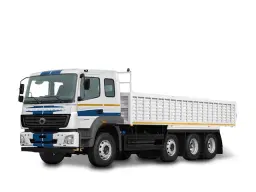
Bharat Benz 3123R
₹40.97 Lakh Onwards
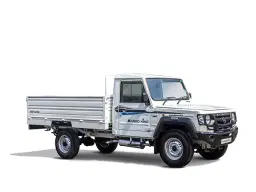
Force Kargo King
₹6.49 Lakh Onwards
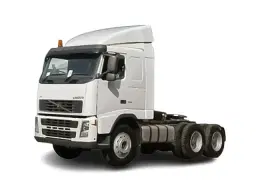
Volvo FM 440 6x4
₹70.00 Lakh Onwards