
Tata Ace Monthly Income: How Much Can It Really Earn in India?
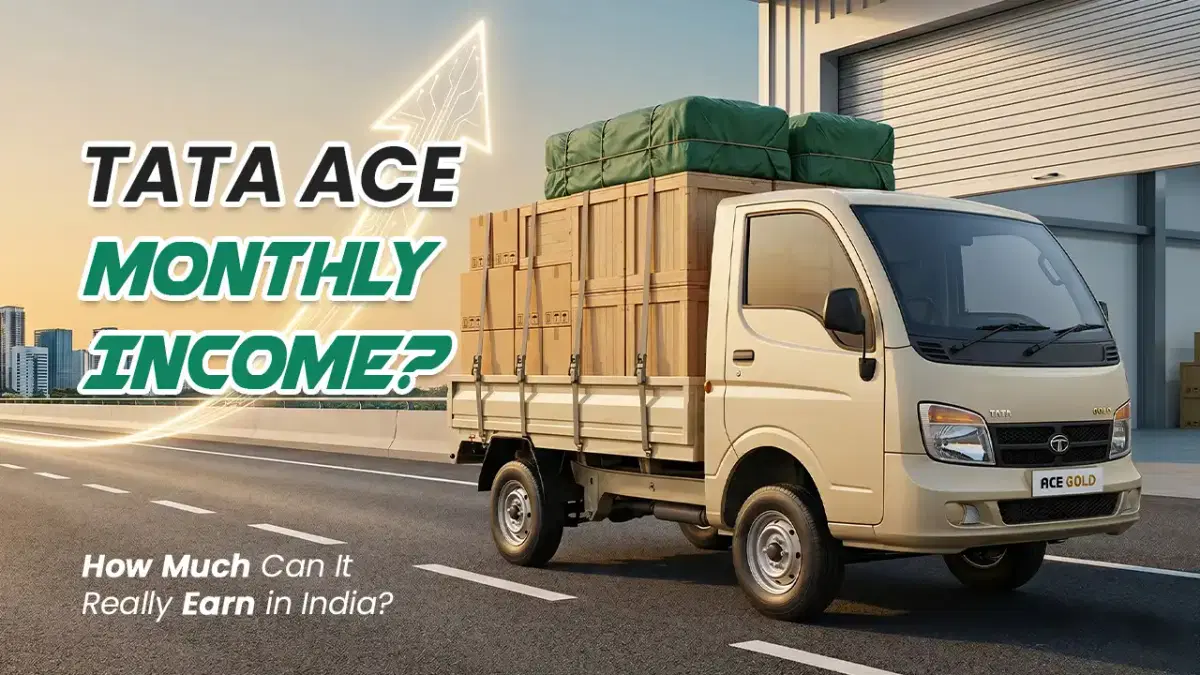
Tata Ace monthly income for a hands-on owner-driver typically lands between ₹20,000 and ₹45,000 approximately, once diesel, maintenance and loan EMI are subtracted from gross collections — a number that makes this mini truck one of the most realistic entry points into commercial vehicle ownership for small transporters across India. For someone weighing a first commercial purchase in June 2026, that range matters more than brochure specs, because it answers the only question that actually decides whether the vehicle pays for itself: can it generate enough daily revenue to cover the EMI and still leave something behind.
Tata Ace Monthly Income in India: What Owners Actually Earn
The starting point for any honest calculation is the ex-showroom price, which sits around ₹4.50 lakh to ₹6.50 lakh approximately, depending on the variant and fuel option chosen. Once insurance, registration and permit costs are added, the on-road price in cities like Delhi or Mumbai usually works out to ₹5.20 lakh to ₹7.40 lakh. Against that investment, owners typically run the vehicle 60–100 km a day across 24–26 working days a month, generating daily earnings of roughly ₹1,500 to ₹3,000 depending on the route, the contract and the city. That puts gross monthly income somewhere between ₹36,000 and ₹78,000 before any deductions, with the final take-home figure depending heavily on how the vehicle is actually used.
Local Goods Delivery
Mandi runs, kirana supply and short-haul FMCG distribution remain the most common use case for the Tata Ace, and they tend to produce the most predictable income. Drivers servicing wholesale markets or local distributors usually earn on the lower-to-middle end of the daily range, since trips are shorter but more frequent through narrow city lanes. The payload capacity and tight turning radius work in the vehicle's favour here, letting it access congested markets that larger trucks simply cannot enter. Net earnings after fuel and basic upkeep generally settle around ₹25,000–₹35,000 a month for an owner-driver running steady local contracts.
E-Commerce and Parcel Delivery
Tata Ace earning per day climbs a little higher when the vehicle is tied to e-commerce or courier logistics, since these contracts often guarantee fixed daily or per-trip rates rather than relying on ad-hoc loading. Last-mile delivery work for parcel aggregators tends to involve longer daily distances but steadier cash flow, which suits owners who want predictable income over high but irregular earnings. This segment frequently pushes gross collections toward the upper half of the daily range, though fuel consumption rises proportionally with the extra kilometres covered. Owners who secure multi-month delivery contracts generally report monthly net earnings in the ₹30,000–₹40,000 band.
Rental and Load-Based Work
Renting the Ace out to a third-party operator, or taking up irregular load-based jobs, produces the widest swing in income because earnings depend entirely on demand on any given day. During high-demand periods — festival stock movement, harvest season or sudden FMCG restocking — daily earnings can touch the top of the ₹3,000 range. During slow weeks, downtime can pull monthly income well below average, particularly when the vehicle is hired out to a driver rather than operated by the owner. This is also where the gap between owner-operated and driver-operated income becomes most visible, since a hired driver's wages eat directly into the margin that the owner would otherwise keep.
Running Costs That Decide Real Profit
Tata Ace profit calculation only works once running costs are properly accounted for, and diesel remains the single biggest variable. With diesel priced around ₹90–₹95 a litre and the diesel Ace returning roughly 18–22 kmpl in real-world city conditions — well below claimed figures — a driver covering 80 km a day spends somewhere between ₹320 and ₹420 on fuel alone. The CNG variant changes this equation noticeably, returning around 20–25 km/kg depending on load and traffic, which keeps running costs meaningfully lower for owners doing high daily mileage. Maintenance, including servicing, tyres and minor repairs, typically adds another ₹2,000–₹3,500 a month when averaged out, and this is before factoring in the Tata Ace EMI.
On a loan covering roughly 80–85% of the on-road price, with a down payment of ₹1 lakh–₹1.5 lakh approximately, monthly EMIs for a standard five-year tenure usually fall between ₹9,000 and ₹13,000. That EMI is the single largest fixed deduction in the entire calculation, and it's the reason two owners running identical routes can end up with very different take-home income depending on how much they borrowed and over what tenure. Owners who put down a larger upfront amount, or who pay off the loan faster, naturally see their net Tata Ace monthly income improve once the EMI is cleared.
How It Compares to the Jeeto Plus and Dost
Against the Mahindra Jeeto Plus, the Ace generally holds a slight edge in payload-to-price efficiency for tight urban routes, though the Jeeto Plus often comes in marginally cheaper on-road, which narrows EMI pressure for very price-sensitive buyers. The Ashok Leyland Dost sits a notch above both in payload and is better suited to operators who consistently haul heavier loads over longer intercity stretches, but that capability comes with a higher purchase price and steeper running costs. For someone focused purely on last-mile and intra-city earning potential, the Ace's lower entry cost and tighter manoeuvrability typically translate into faster break-even on the initial investment.
Mini truck income in India ultimately comes down to how disciplined the owner is about route planning, contract selection and EMI sizing rather than the vehicle's specifications alone. The Tata Ace earns well for owner-drivers who actively manage their own routes and keep downtime low, and it earns considerably less for those who lease it out or let it sit idle between jobs. First-time buyers with a steady local contract or e-commerce tie-up in hand should find it a sound, fast-paying-back investment, while anyone expecting heavy-load intercity work would be better served by something like the Dost. Check the on-road price and EMI for the Tata Ace in your city on Drivio before finalising your purchase decision.




Popular Trucks
Tata Intra v10
₹7.28 Lakh Onwards
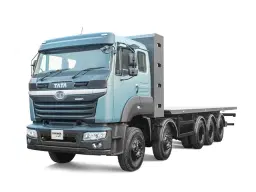
Tata Prima 35.K Auto Shift
Price to be announced
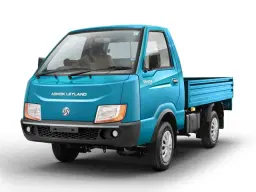
Ashok Leyland Saathi
₹6.50 Lakh Onwards

Mahindra Bolero PIK UP FB 1.3T - PS AC
₹10.48 Lakh Onwards
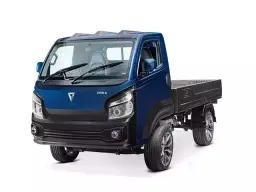
Omega Seiki M1ka
₹15.00 Lakh Onwards
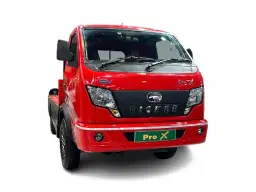
Eicher Pro x
₹17.49 Lakh Onwards
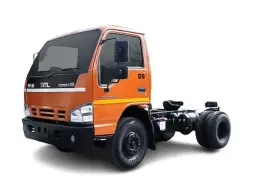
Swaraj Mazda Samrat GS Tipper Chassis
₹21.24 Lakh Onwards
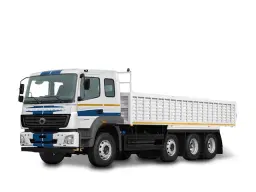
Bharat Benz 3123R
₹40.97 Lakh Onwards
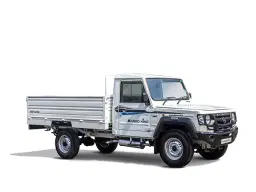
Force Kargo King
₹6.49 Lakh Onwards
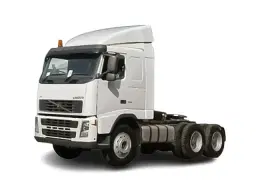
Volvo FM 440 6x4
₹70.00 Lakh Onwards