
When Should You Add a New Truck to Your Fleet?
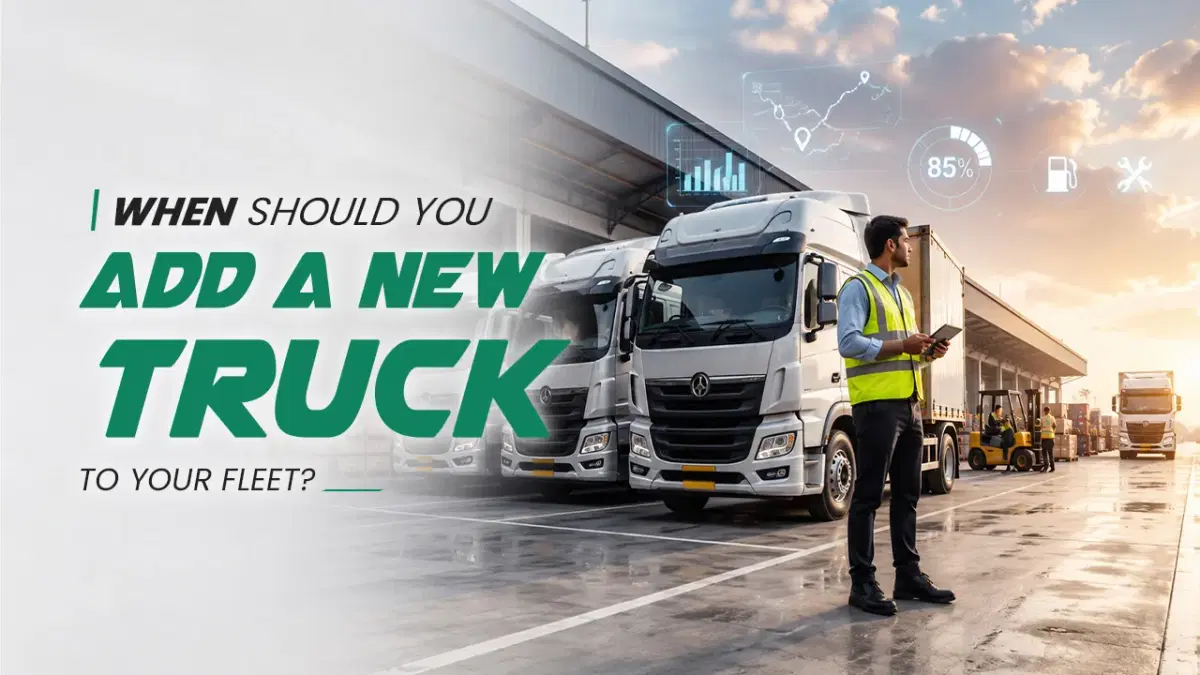
When should you add a new truck to your fleet — this is a question every transport business owner in India eventually asks, usually right when profits are strongest or losses are mounting. Fleet expansion timing determines whether a business captures new revenue or burns cash on an underutilized asset. Add a truck too early and you carry an idle EMI; wait too long and you lose loads to competitors who can respond faster. Across India's logistics corridors, from Delhi-NCR distribution hubs to Chennai's industrial belt, the difference between a well-timed purchase and a rushed one often shows up directly in the monthly balance sheet.
Signs Your Current Fleet Has Reached Capacity
The clearest signal is consistent overbooking. When dispatch teams are regularly turning away loads or subcontracting trips to competitors because no truck is free, that lost business is a direct cost of not expanding. Fleet operators running FMCG distribution routes in Maharashtra and Gujarat often notice this first — trucks that used to have a day's buffer between trips are now booked back-to-back with zero slack for breakdowns or delays.
A second sign is driver fatigue and compressed turnaround. If drivers are being pushed to complete extra trips beyond safe working hours just to meet delivery windows, that's not a labour problem — it's a capacity problem. Construction and mining fleets, where trucks already run long shifts hauling aggregate and machinery, are particularly exposed here because there's little room to stretch schedules further without risking safety or vehicle wear.
Utilization data settles the argument more objectively than instinct. A fleet running consistently above 85% utilization — meaning trucks are on the road or loaded almost every available working hour — has effectively no cushion left. Any single breakdown at that utilization level cascades into missed deliveries. Many transport businesses only start tracking this number after they've already lost a major client to a competitor with more available capacity.
Rising Maintenance and Downtime Costs on Older Trucks
Older trucks in a fleet often mask the real cost of standing still. A truck that's crossed 6–7 years or 500,000+ km typically spends more days in the workshop than a newer one, and each of those idle days is lost earning potential, not just a repair bill. When monthly maintenance spend on one ageing vehicle starts approaching what an EMI on a new BS6 truck would cost, that's usually the tipping point for fleet replacement rather than fleet growth.
Diesel prices, hovering around ₹95 per litre in most Indian markets through 2026, magnify this gap further. Newer BS6 trucks generally deliver meaningfully better fuel efficiency than older BS4-era vehicles, and over a full year of running on high-mileage routes, that efficiency difference alone can offset a significant portion of the EMI. Operators who've compared side-by-side fuel logs between an old and new truck on the same route are usually the ones who move fastest on replacement decisions.
Revenue Versus Operating Cost Analysis
Before adding a truck, the fundamental question is whether incremental revenue from expanded capacity will exceed the full cost of running that vehicle — EMI, fuel, tolls, driver salary, insurance, and maintenance combined. A logistics business in Punjab moving agricultural produce during harvest season, for instance, may see demand spike sharply for eight to ten weeks and then flatten. In that case, a single new truck needs to earn enough during the peak window to justify a year-round cost commitment, or the business is better served by short-term rental capacity.
Seasonal demand patterns matter enormously here. E-commerce delivery fleets typically see volumes rise ahead of festive periods, while construction and infrastructure fleets often slow during the monsoon months. Matching a new truck purchase to a genuine, recurring demand pattern — rather than a one-off spike — protects against buying capacity that sits idle for half the year.
Missed delivery opportunities carry a cost that's easy to underestimate. Every load turned away because no truck was available isn't just lost revenue on that trip — it risks the client moving their regular business to a competitor permanently. For regional transport operators competing on reliability as much as price, that reputational cost often outweighs the immediate financial one.
Driver Availability Before Fleet Expansion
A truck without a qualified driver is a depreciating asset, not a productive one. Before committing to fleet expansion, operators need confidence they can staff the new vehicle consistently — India's commercial driver shortage in several states means this isn't always guaranteed. Fleets that add trucks faster than they can recruit and retain drivers frequently end up with vehicles parked more than they'd like, defeating the purpose of the purchase.
Cash Flow Versus Financing Considerations
Paying cash for a new truck preserves zero debt but can strip working capital that a transport business needs for fuel, salaries, and toll expenses during lean months. This is where commercial vehicle finance becomes a strategic tool rather than a fallback option. A well-structured commercial vehicle loan — commonly structured around 20% down payment, tenures up to 60 months, and interest rates near 11% — lets a business acquire the truck while keeping cash reserves intact for daily operations.
EMI planning should be built around realistic monthly earnings from the new vehicle, not optimistic projections. A truck expected to complete 20–25 revenue trips a month on a stable route generally offers a much clearer repayment picture than one bought speculatively ahead of uncertain demand. Businesses considering financing for the first time may find it useful to review a guide like How to Finance Your First Commercial Truck, which breaks down eligibility and documentation requirements in more depth, or the Truck Loan Eligibility Guide for lenders' specific criteria.
Newer trucks also bring technology advantages that older fleet vehicles lack. Telematics and connected fleet systems, now standard on many BS6 commercial vehicles, give operators real-time visibility into fuel consumption, route efficiency, and vehicle health — data that older trucks simply can't provide, and that increasingly factors into fleet management decisions industry-wide.
Growing the Existing Fleet vs Buying a New Truck
Expanding within the existing fleet — through better scheduling, third-party subcontracting, or squeezing more trips from current vehicles — makes sense when demand growth looks temporary or unproven. It avoids new debt and keeps operating costs flat, but it caps how much revenue growth the business can actually capture.
Buying a new truck makes more sense when utilization has been consistently high for several months, when maintenance costs on ageing vehicles are eating into margins, and when demand growth looks structural rather than seasonal. Fleet owners weighing this decision often benefit from reviewing a detailed New vs Used Truck Comparison before finalising, since a well-maintained used truck can sometimes bridge the gap at lower upfront cost. For businesses already carrying high repair bills, understanding How to Reduce Fleet Operating Costs alongside the expansion decision often reveals that replacing rather than simply adding is the smarter move.
The Right Time to Expand
The right time to add another truck is when utilization consistently exceeds 85%, when missed loads are becoming a pattern rather than an exception, when maintenance costs on older vehicles rival a new EMI, and when driver availability and cash flow can genuinely support the addition — not just this month, but through a full operating cycle. Businesses that expand on the back of one strong month often regret it by the next slow one; those that expand based on sustained demand data rarely do.
As of July 2026, with diesel prices and financing rates both relatively stable, conditions favour transport businesses that plan fleet growth methodically rather than reactively. Check commercial vehicle loan options, estimated EMI, and on-road prices for your preferred truck on DrivioTrucks before making your next fleet investment.




Popular Trucks
Tata Intra v10
₹7.28 Lakh Onwards
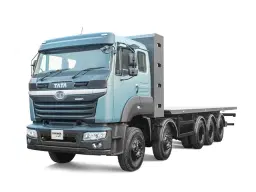
Tata Prima 35.K Auto Shift
Price to be announced
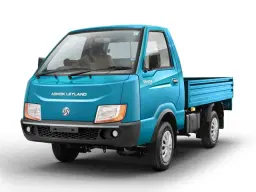
Ashok Leyland Saathi
₹6.50 Lakh Onwards

Mahindra Bolero PIK UP FB 1.3T - PS AC
₹10.48 Lakh Onwards
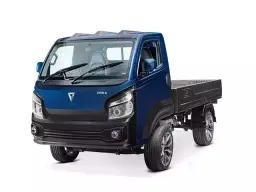
Omega Seiki M1ka
₹15.00 Lakh Onwards
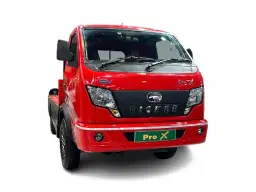
Eicher Pro x
₹17.49 Lakh Onwards

Swaraj Mazda Samrat GS Tipper Chassis
₹21.24 Lakh Onwards
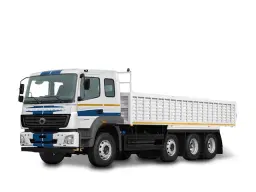
Bharat Benz 3123R
₹40.97 Lakh Onwards
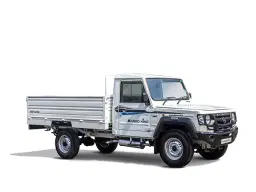
Force Kargo King
₹6.49 Lakh Onwards
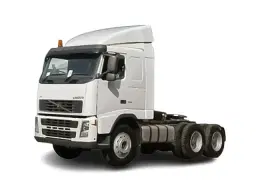
Volvo FM 440 6x4
₹70.00 Lakh Onwards